




.svg)
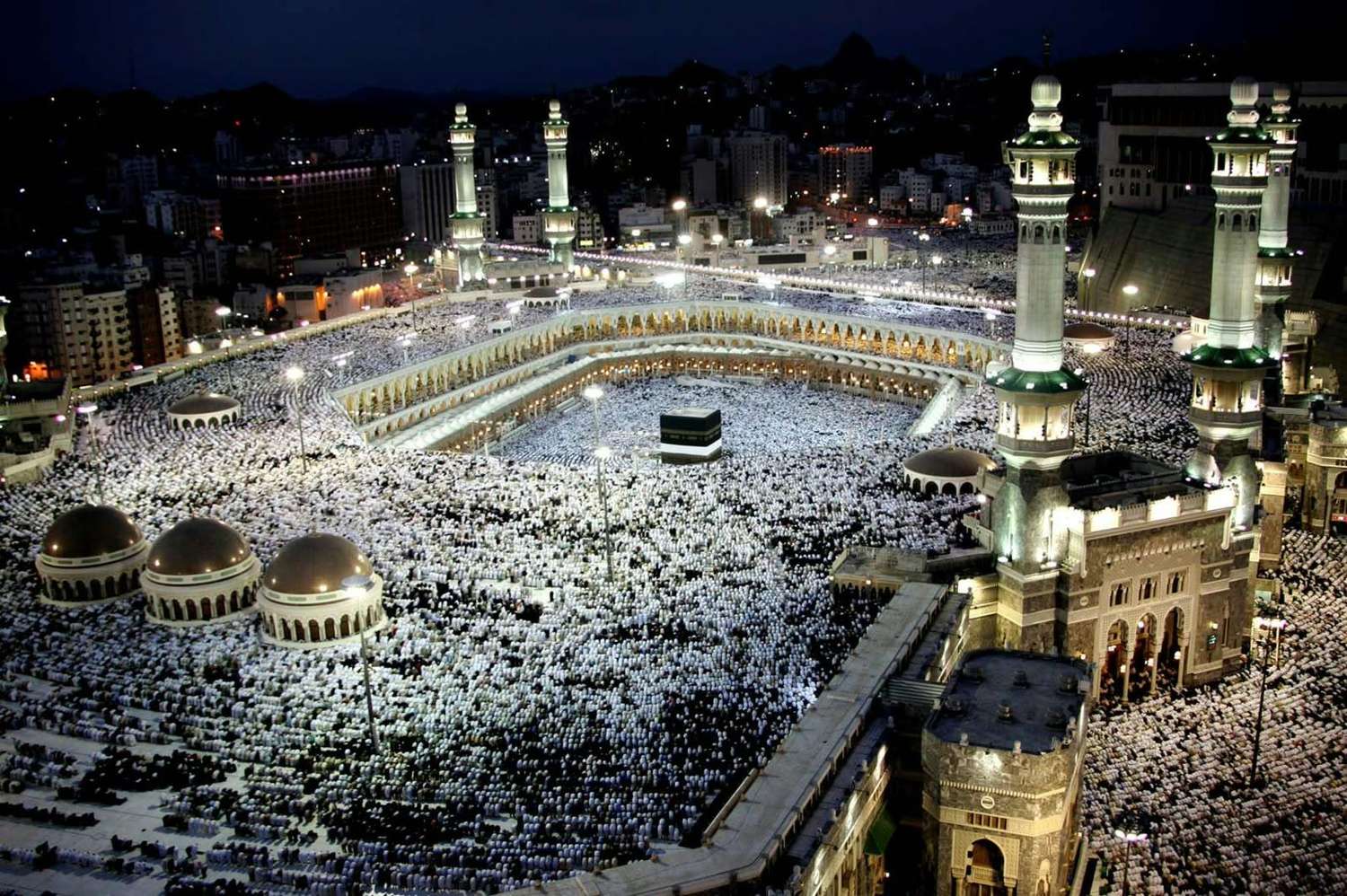
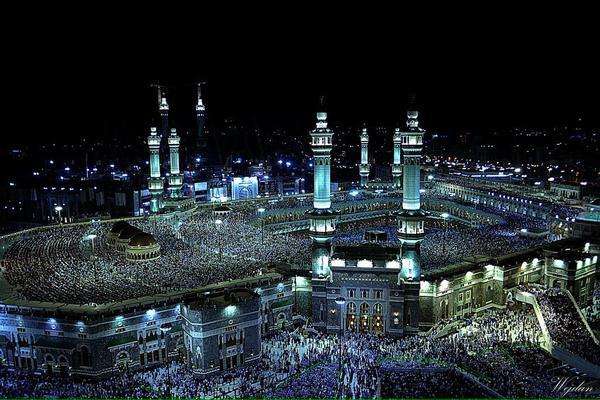
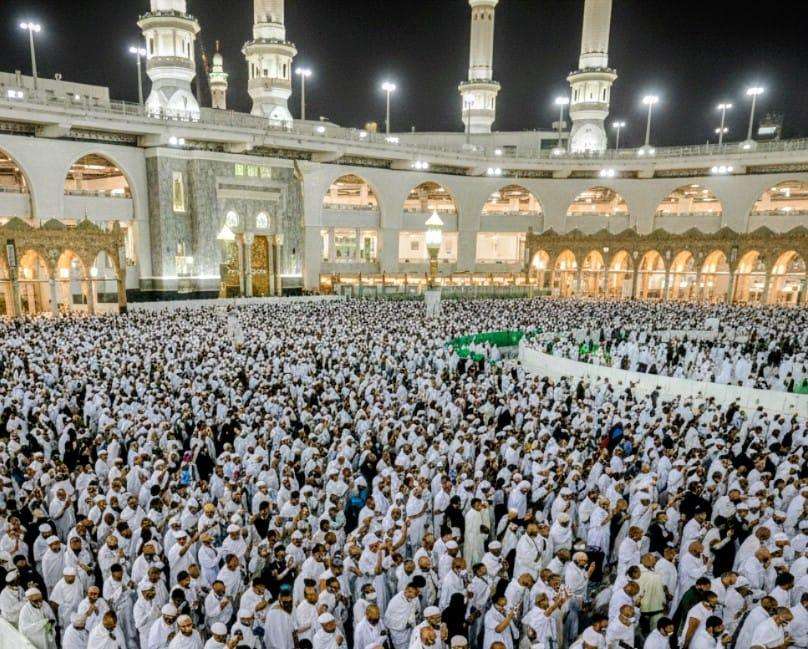
Standing before the Ka’bah in 2026, one is struck not just by the sheer magnitude of the crowd, but by a profound, unsettling paradox. While the physical infrastructure of the Haramain has reached unprecedented levels of technological sophistication—with AI-powered crowd management and expanded luxury accommodations—the spiritual and ethical conduct of the global community suggests a deepening internal fracture. For many, the journey of a lifetime has transitioned from a transformative soul-searching mission into a series of ritualistic checkboxes marred by modern distractions. The mandate for this journey is etched in the Divine Revelation. As Allah (SWT) commands in the Holy Qur’an: “And proclaim to the people the Hajj [pilgrimage]; they will come to you on foot and on every lean camel; they will come from every distant pass” (Surah Al-Hajj, 22:27). Yet, as millions answer this call in the current 2026 season, the gap between the sacred teachings and the lived reality of the pilgrims has never been more visible.
The Intellectual Paralysis of the Modern Believer
The historical precedent for seeking spiritual counsel during Hajj is long. From the 13th-century poet Al-Busiri to the 20th-century philosopher Muhammad Iqbal, thinkers have used the pilgrimage to lament the "moral torpor" of the Ummah. Iqbal famously compared the modern Muslim to a "defunct musical instrument." In the corridors of Makkah and the quiet spaces of Madinah, the 2026 pilgrimage season has highlighted a collective inertia. While the Prophet (PBUH) taught that “The best of people are those who are most beneficial to people,” (Hadith, Al-Mu’jam al-Awsat), the behavior on the ground often contradicts this ethos of communal care and intellectual vigor. Many pilgrims today seem trapped in a version of Islam presented by contemporary preachers as a mere list of recitals, stripped of the "total system of life" that the Prophet (PBUH) established.
A Mirror of Global Weakness in the Streets of Makkah
The behavior of the 2026 "Hajj Kafela" serves as a microcosm for the geopolitical and social struggles of Muslims worldwide. There is a direct correlation between the lack of discipline seen in the holy precincts and the "collective incompetence" that leaves the global Ummah vulnerable. Purity is fundamental to the faith, as the Prophet (PBUH) explicitly stated: “Cleanliness is half of faith” (Sahih Muslim). Yet, the 2026 season saw the Ibrahim al-Khalil Street—a path mere meters from the Ka’bah—littered with waste and defaced by the shameful habit of public spitting. This disregard for the "sacred space" reflects a broader disregard for the "sacred values" of discipline and civic responsibility. If a believer cannot maintain the hygiene of the holiest site on Earth, how can the Ummah expect to build strong, dignified, and organized societies?
The Digital Distraction and the Death of Presence
Perhaps the most alarming update from the 2026 pilgrimage is the "gadget addiction" that has permeated the tawaf. The Prophet (PBUH) reminded us that “Hajj is Arafat,” a time for absolute presence and supplication. Instead, the sacred circumambulation of the Ka’bah is now frequently interrupted by video calls and social media surfing. This digital narcissism dilutes the spiritual intensity of the rites. When the Prophet (PBUH) performed his Farewell Pilgrimage, his focus was on the weight of the message and the responsibility of the believers. Today, that weight is often replaced by the lightness of a smartphone. This shift is not merely a social nuisance; it is a symptom of a community that has lost its ability to prioritize the eternal over the temporary.
Reclaiming the Prophetic Standard for the Future
The 2026 Hajj experience forces a difficult question: Why are Muslims, despite their numbers, often seen as weak or disorganized on the world stage? The answer lies in the "inner weakness" witnessed in the streets of Makkah. True Umrah and Hajj are meant to be a training ground for the soul. The Prophet (PBUH) said: “Whoever performs Hajj for Allah's sake and does not have sexual relations with his wife, and does not do evil or commit sins, then he will return [after Hajj free from all sins] as if he were born anew” (Sahih Bukhari). Regaining global dignity requires a radical return to the intellectual and ethical excellence modeled by the Prophet (PBUH). Unless the "superficial understanding" of Islam is replaced by a holistic, disciplined faith, the Ummah will remain in its current state of crisis. The 2026 pilgrimage is not just a journey of feet, but a loud call for a journey of the mind and heart.

.jpg)