





.svg)
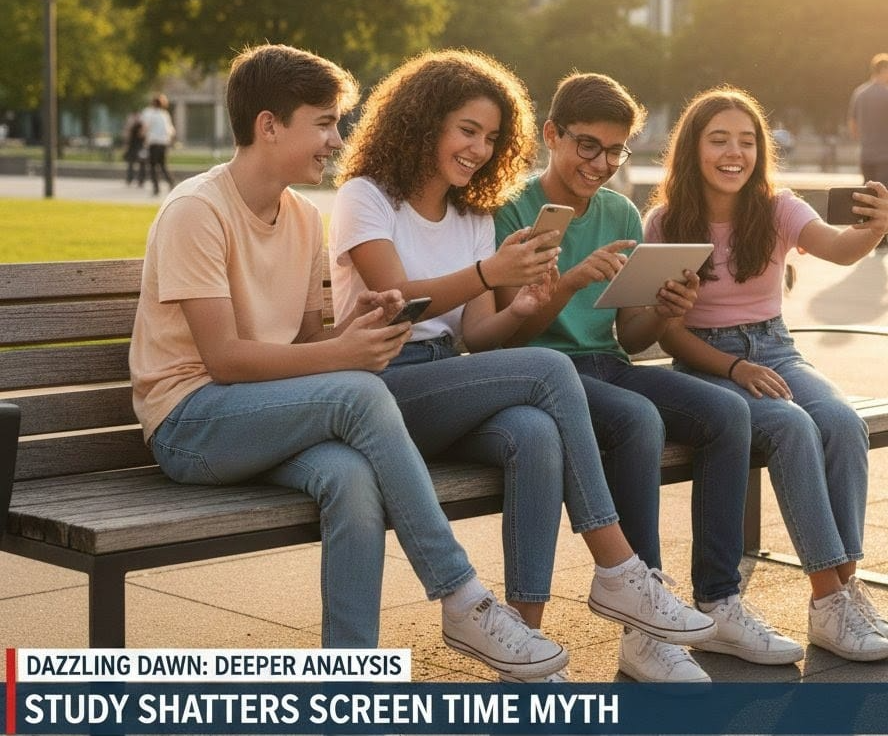
For years, the glowing screen has been the convenient villain in the narrative of adolescent decline. However, a landmark longitudinal study from the University of Manchester has effectively dismantled the foundational logic behind the UK government’s proposed social media ban for under-16s. By tracking 25,000 students aged 11 to 14 over a three-year period, researchers discovered that the sheer volume of time spent on platforms like TikTok and Instagram has a "zero detrimental impact" on subsequent symptoms of anxiety or depression. This revelation shifts the focus from the quantity of digital consumption to the quality of the experience, suggesting that the frantic political push to "unplug" the youth may be an expensive distraction from the nuanced socio-economic factors actually driving the mental health crisis.
Data Over Dogma: Why Time is Not the Culprit
The Manchester findings, published in the Journal of Public Health, provide a robust empirical counter-argument to the restrictive policies currently gaining momentum in Westminster and Canberra. Lead author Dr. Qiqi Cheng emphasizes that while families are understandably anxious, the data does not support the theory that scrolling or gaming inherently triggers psychological distress. Whether teenagers were actively posting content or passively browsing feeds, the research found no predictive link to emotional difficulties. This suggests that the "digital native" generation is more resilient to the medium itself than previously assumed, and that the correlation often cited by proponents of bans may actually be a case of reverse causality—where struggling teens turn to the internet for community, rather than the internet causing the struggle.
The Global Tug of War: Contradictory Evidence and Political Pressure
The Manchester study enters a fiercely contested arena, directly challenging high-profile reports that have fueled the "ban" movement. For instance, the 2025 "Haidt-Twenge" synthesis argued that the mid-2010s spike in teen depression aligns perfectly with the rise of the smartphone, suggesting a direct causal link. Furthermore, recent Swedish reports led to a nationwide mobile phone ban in schools, citing a decline in cognitive focus. By contrast, the Manchester data aligns with the "Oxford Internet Institute" perspective, which argues that the statistical effect of social media on wellbeing is about as significant as eating potatoes. This friction between Manchester’s "zero impact" findings and more alarmist studies suggests that the impact of technology is highly individualized, making broad legislative bans a blunt instrument for a delicate psychological problem.
Beyond the Ban: Addressing the Content not the Clock
If the clock isn't the problem, the conversation must evolve toward the specific hazards of the digital environment. Professor Neil Humphrey notes that while the medium may be neutral, the content—such as cyberbullying, extreme algorithms, and toxic beauty standards—remains a potent risk. This distinction is vital for policymakers who are currently debating age-verification mandates and total platform blocks. The Manchester study suggests that instead of treating the internet as a monolithic threat to be removed, society should focus on digital literacy and mental health support within the digital space. As the UK considers following Australia’s lead in implementing strict age gates, this new data serves as a stark warning that removing the screen will not automatically heal the mind.



.jpg)