





.svg)
The UK government has given the green light to a new Chinese embassy in London, bringing to an end a prolonged and contentious process that highlighted concerns over Beijing’s security activities and strained diplomatic relations between the two countries.
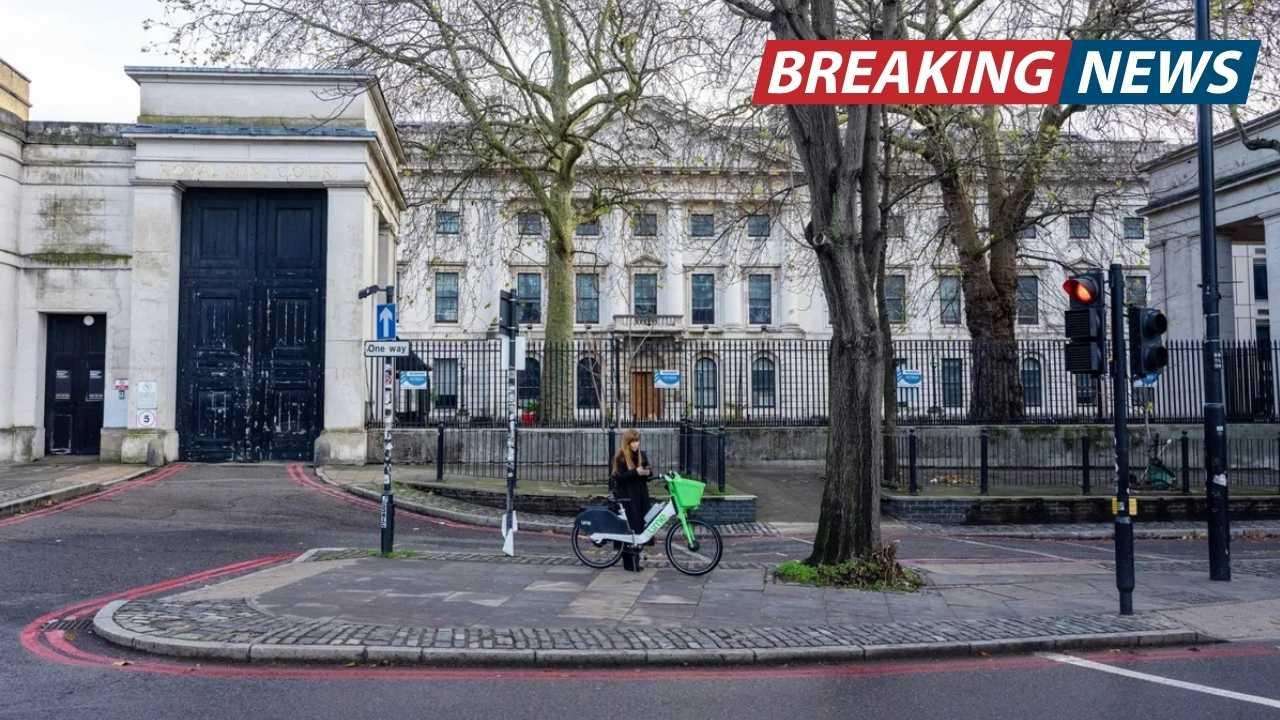
Housing Secretary Steve Reed approved the project on Tuesday, attaching specific conditions to the decision. China can now move ahead with plans to build what would become Europe’s largest embassy on the former Royal Mint site near the City of London. In return, Britain expects progress on expanding its own diplomatic premises in Beijing, ahead of Prime Minister Keir Starmer’s planned meeting with President Xi Jinping in China later this month.
The proposal has been controversial since China purchased the site in 2018, due to its proximity to the Tower of London. Planning applications faced repeated delays as authorities reviewed objections from human rights groups and weighed security concerns, including fears the embassy could be used for intelligence-gathering activities—allegations China has consistently rejected.
These delays coincided with a downturn in UK-China relations under the previous Conservative government, worsened by the Covid-19 pandemic, China’s support for Russia in the Ukraine conflict, and accusations by Britain of cyberattacks and espionage linked to Chinese state-backed actors.
After taking office in 2024, Starmer moved to stabilise relations, meeting Xi at the G20 summit and initiating discussions on closer economic cooperation, particularly in finance and climate policy.
Despite this reset, the embassy decision was postponed several times as British officials sought assurances that the UK would be allowed to upgrade its much smaller embassy in Beijing.
Starmer is now expected to face political backlash. Human rights campaigners argue the larger embassy could be used to increase pressure on Chinese diaspora communities and Hong Kong exiles in the UK. Lawmakers from both Labour and Conservative parties have also warned the site could be exploited for espionage.
The issue was debated in Parliament, where Labour MP Sarah Champion described the proposal as “disastrous” and warned it posed unacceptable risks. Fellow Labour MP Alex Sobel cautioned that approving the project could have irreversible consequences. Other Labour figures opposing the plan include Rushanara Ali, Graham Stringer and James Naish. Critics have also claimed that a future Trump administration in the US would view the expansion of China’s diplomatic presence in the UK with concern.
Opponents point out that the embassy would be located close to London’s financial district and above sensitive telecommunications infrastructure.
However, security officials have played down the risks, noting that British intelligence agencies routinely monitor embassy-related threats. Some government figures have suggested that concentrating China’s diplomatic operations in one location could actually make surveillance easier.
Former MI6 chief Richard Moore said in November that a compromise allowing the embassy to proceed while addressing issues facing the UK mission in Beijing was achievable, indicating that Britain’s intelligence services had not raised formal objections.