



.svg)
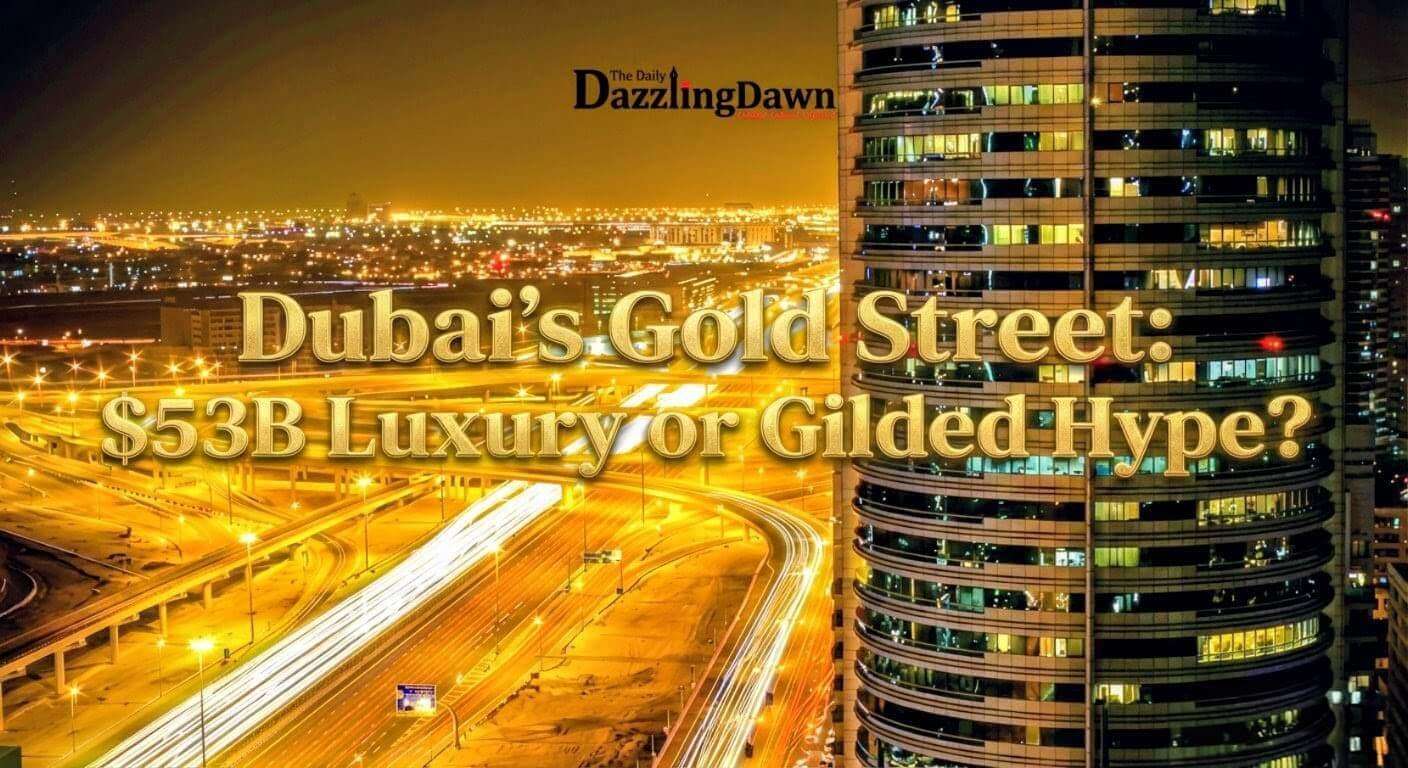
Dubai is redefining luxury again, but this time, the city is literally paving its ambitions with precious metal—or is it? The unveiling of the "Gold Street" within the newly minted Dubai Gold District has sent shockwaves through the global trade and tourism sectors. While the world watches in awe, a deeper look reveals a masterclass in strategic branding designed to cement the UAE’s status as the second-largest physical gold hub on the planet.
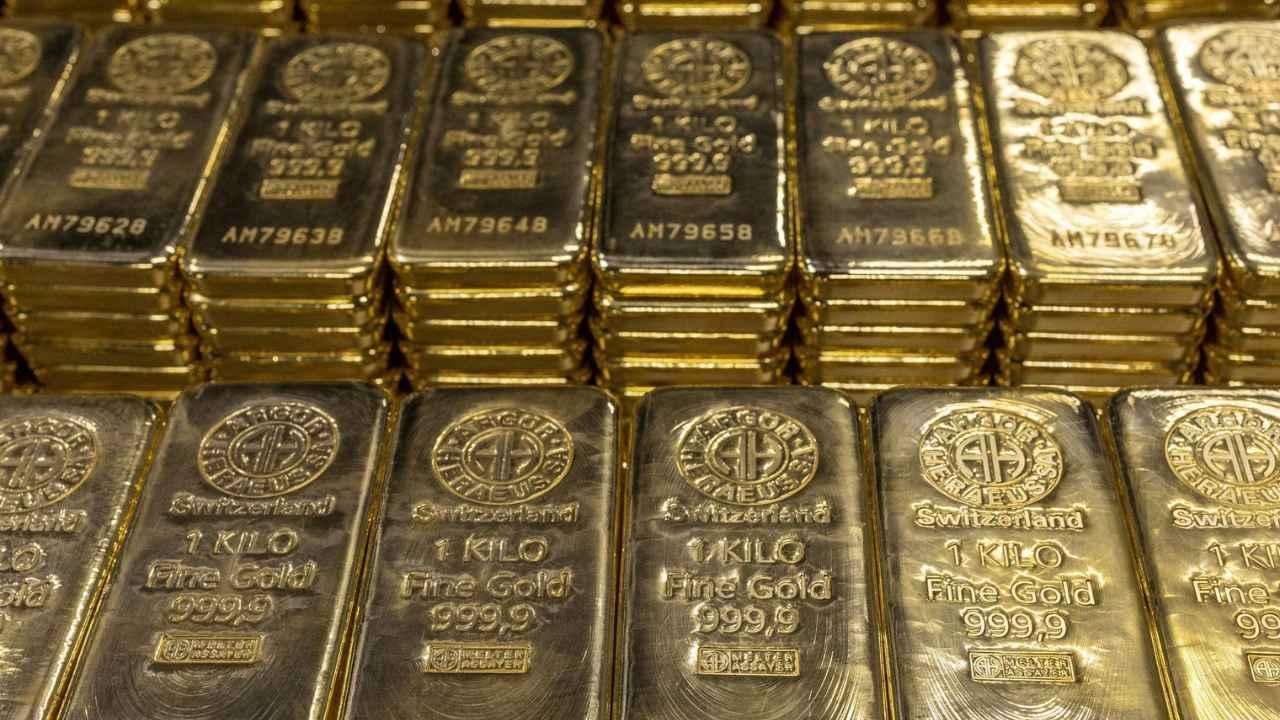
Daily Dazzling Dawn Fact Check: Is the Road Actually Solid Gold? The viral headlines claiming Dubai is building a road "made of gold" require a reality check. Our investigation confirms that the "Gold Street" is not a solid bullion highway. Instead, the project utilizes gold-infused elements, metallic resins, and gold-leaf architectural finishes integrated into the paving and structural design. To build a standard city street out of solid 24-karat gold would cost trillions of dollars—surpassing the GDP of many nations. The "Gold Street" is a high-tech architectural feat where gold is a functional aesthetic component rather than the primary construction material. It is, in essence, a masterpiece of "Gold Branding" aimed at creating a central landmark for the 1,000+ retailers in the district.
The Economics of the Gilded Mile- While the developers, Ithra Dubai, are keeping the exact "gold spend" figures under wraps in this phase, industry analysts estimate the decorative gold application could involve hundreds of kilograms of gold leaf and specialized alloys. This investment serves a massive economic engine. In 2024–25, the UAE exported a staggering $53.41 billion in gold. By creating a physical "Gold Street," Dubai isn't just building a walkway; it's building a magnet for the 147 nationalities that already frequent the district. This is a strategic move to outpace competitors like Switzerland and Hong Kong by turning wholesale bullion trading into a world-class tourist spectacle.
Global First or Marketing Folklore? A Critical Analysis- Many news outlets are heralding this as the "World’s First Gold Street." Factually, this is a calculated branding claim. While historic cities have had "Gold Souks" or "Golden Horns," Dubai’s project is the first purpose-built commercial district to integrate actual gold elements into the literal infrastructure of a public thoroughfare. The "truth" of the headline depends on the definition: as a solid gold road, it is false; as a gold-integrated architectural landmark, it is a global first. This distinction is vital for investors who are flocking to the district’s 1,000 retail spots, including giants like Joyalukkas, which is launching a massive 24,000-square-foot flagship store to capitalize on the hype.
Synergy of Trade and Tourism- The Gold District is more than just a shiny floor. It is a massive ecosystem supported by over 1,000 hotel rooms and integrated Big Bus sightseeing routes. The presence of major players like Malabar Gold and Diamonds and Tanishq ensures that the "Gold Street" acts as the beating heart of a district that balances retail, bullion services, and investment-linked businesses. Under the leadership of Mohammed Ibrahim Al-Shaibani and Issam Galadari, the project is designed to cluster the entire gold supply chain into one square mile, making the "Gold Street" the ultimate symbolic anchor for the UAE’s Dh196 billion export industry.