




.svg)
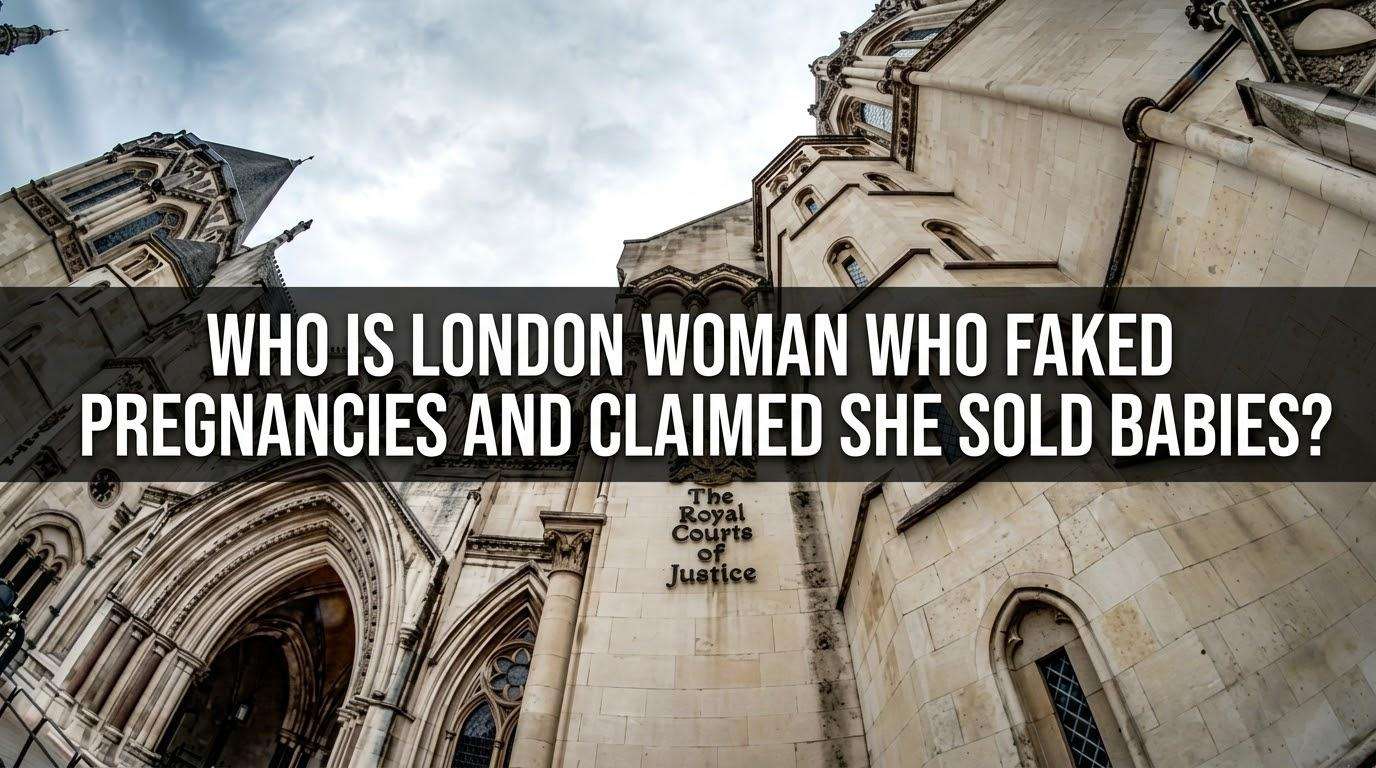
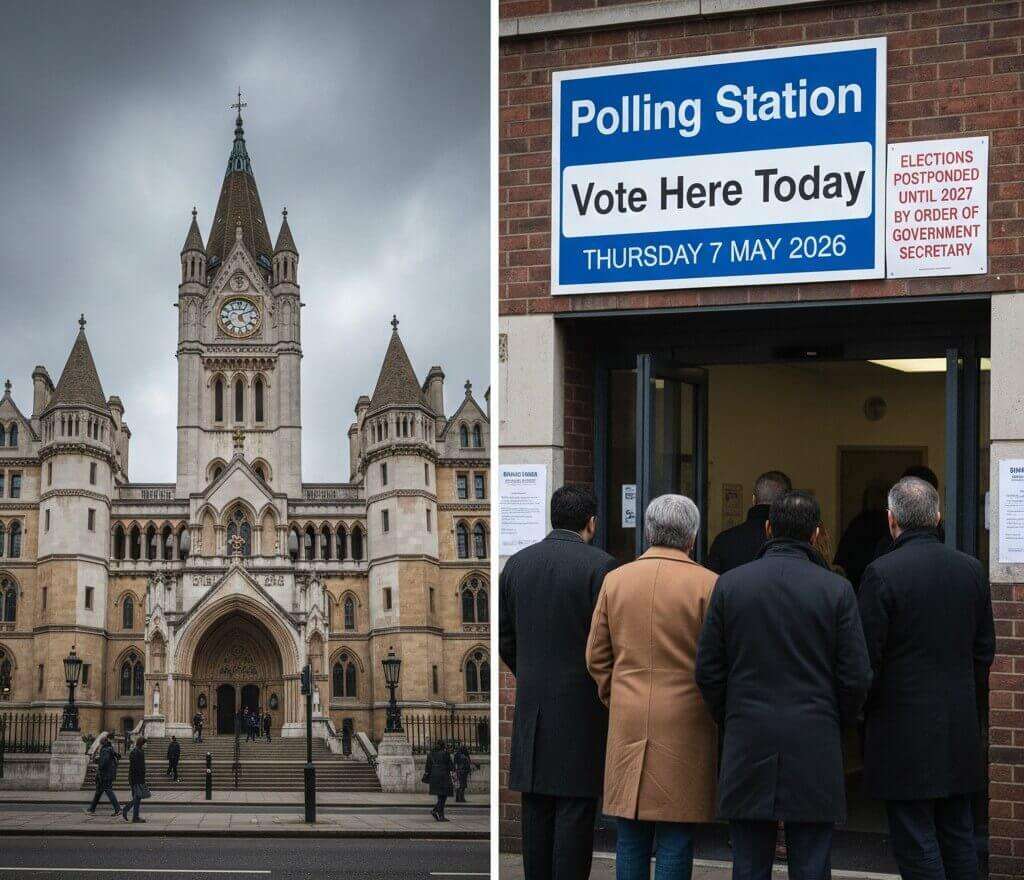
The Royal Courts of Justice are currently the site of a historic constitutional showdown as Mr. Justice Chamberlain begins hearing Reform UK’s application for interim relief at 12 noon today, January 20, 2026. The legal team for Reform UK is seeking an immediate injunction to stop Local Government Secretary Steve Reed from issuing statutory orders that would officially cancel local elections scheduled for May 7, 2026. The party argues that these delays create a "democratic vacuum," effectively preventing candidates from organizing and disenfranchising millions of voters who are being asked to wait until 2027 or even 2028 to have their say, Daily Dazzling Dawn understands.
Last Minute Ultimatum Issued to Wavering Councils-In a dramatic move just hours before the court convened, Steve Reed sent a final "clarification" letter to four local authorities whose positions on the delay remained ambiguous. These councils were given until 10:00 AM this morning to confirm if they wish to proceed with the postponement or go ahead with the vote. The government’s official stance has shifted to a default of "election as planned" unless a specific, capacity-driven request is made, a move analysts see as a defensive pivot to mitigate accusations of forced voter suppression ahead of the High Court’s decision.
The 3.7 Million Voter Impact and the Seven-Year Term Scandal-As of today’s hearing, 29 councils—the majority of which are Labour-controlled—have officially requested to bypass the 2026 ballot. This means nearly 600 councillors could remain in their seats for up to seven years without facing an election, a scenario that legal and governance experts have branded a "clear conflict of interest." Critics point out that while the government cites "capacity constraints" due to local government reorganisation, the Electoral Commission has publicly expressed disappointment, stating that administrative pressures are not a legitimate reason to deny the public their right to vote.
Political Realignment as Defections Rock the Opposition-The backdrop of this legal battle is a rapidly shifting political landscape. The defection of high-profile figures like Robert Jenrick to Reform UK has intensified the pressure on the Labour government. Reform UK is using the High Court challenge not just as a legal tool, but as a political weapon to frame itself as the "true defender of democracy" against a Labour-Tory establishment they claim is terrified of the ballot box. If the court grants the injunction today, it would be a catastrophic blow to the Starmer administration’s authority and would likely force a total reset of their local government overhaul.
What Happens Next: The Road to the March 27 Deadline-The High Court is under immense pressure to provide a definitive ruling well before March 27, 2026—the statutory deadline by which notice of elections must be officially given. If Justice Chamberlain sides with Reform UK today, the government will be legally barred from cancelling any more contests, potentially triggering a "chaos scenario" where councils must scramble to organize elections they claimed they could not handle. Conversely, a government win would solidify Labour’s power to reshape the local map at the expense of immediate voter accountability, setting the stage for a volatile political atmosphere throughout the spring.