



.svg)
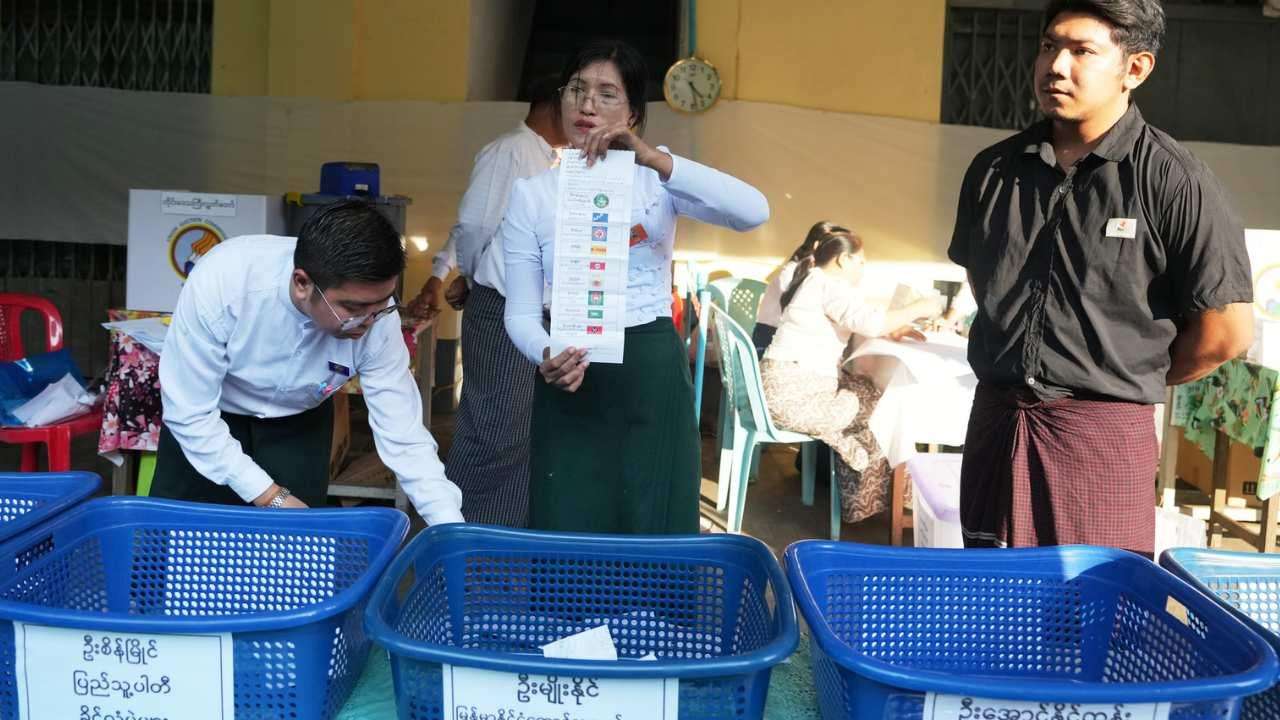
Voting in Myanmar has concluded, with the military-backed party expected to secure an overwhelming victory in an election that critics have widely dismissed as a staged process aimed at entrenching the army’s rule.
Junta leader Min Aung Hlaing has brushed aside international criticism, insisting the vote reflects public support and portraying it as a step toward restoring democracy and stability. The election comes nearly five years after the military overthrew the elected government of Aung San Suu Kyi in a coup that plunged the country into ongoing conflict. Suu Kyi, now 80, has been detained since her removal, while her party, the National League for Democracy (NLD), has been banned after winning previous elections by large margins.
Speaking to reporters on Sunday via state television, Min Aung Hlaing said international recognition was unnecessary, arguing that the approval of voters was sufficient.
The election has been rejected by the United Nations, human rights organisations, the UK, Australia and the EU’s top human rights official, all of whom say the process lacks credibility. China, a key ally of Myanmar’s military rulers, has supported the vote, viewing it as the best option for maintaining stability.
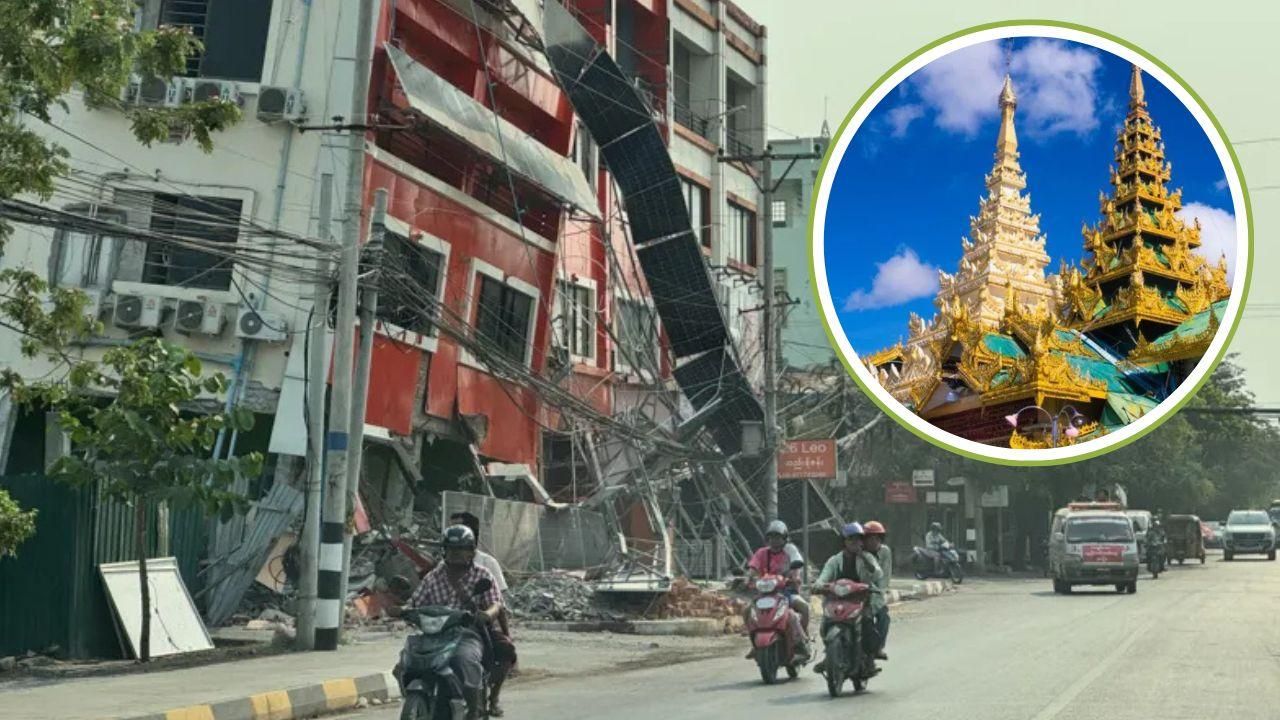
In Mandalay, the country’s second-largest city, many voters declined to speak openly due to safety concerns. One man said he missed the previous civilian government and opposed military rule but feared consequences if he spoke further.
Since the coup, the military has detained tens of thousands of political prisoners, targeting those suspected of dissent. A new election protection law passed in July imposes harsh penalties for criticising the vote, including prison sentences of at least three years and, in extreme cases, the death penalty.
Tom Andrews, the UN special rapporteur on human rights in Myanmar, said the election had been carefully controlled to guarantee a decisive win for the military’s political proxy, the Union Solidarity and Development Party (USDP). He said opposition parties were banned, prominent figures imprisoned, the media silenced, and fear used to force participation. Andrews warned that the junta was counting on international exhaustion to legitimise military rule disguised as civilian governance.
Violence continued throughout the election period. Just days before voting, a military airstrike killed 21 people and injured 28 others in Kachin state, where displaced villagers were sheltering, according to the Associated Press.
The election was held in three phases, beginning in December and concluding in January. While 57 parties participated, only six contested seats nationwide, and analysts say none offer genuine opposition to the military. The USDP fielded the most candidates and has already won large majorities in earlier stages, securing most seats in both houses of parliament.
Election monitoring group Anfrel reported that more than half of the parties that contested the 2020 election no longer exist, despite previously winning the majority of votes and seats.
Malaysia has said the regional bloc Asean will neither recognise the election nor send observers, although it remains unclear whether individual member states will engage more closely with Myanmar’s leaders following the vote.
Voter turnout stood at 55%, significantly lower than the roughly 70% recorded in the 2020 election and the landmark 2015 poll. The campaign period also lacked the large rallies and public enthusiasm seen in earlier elections.
Voting took place in major cities such as Yangon and Mandalay, but analysts estimate that around one-third of the country was excluded due to fighting or control by anti-junta forces.
The 2021 coup abruptly ended Myanmar’s democratic transition and sparked a widening armed conflict, with civilians joining various resistance groups. According to conflict monitoring organisation Acled, Myanmar is now experiencing the world’s most fragmented conflict. The group has recorded around 92,000 deaths since 2021, placing Myanmar second on its global conflict index.


_1.jpg)