






.svg)
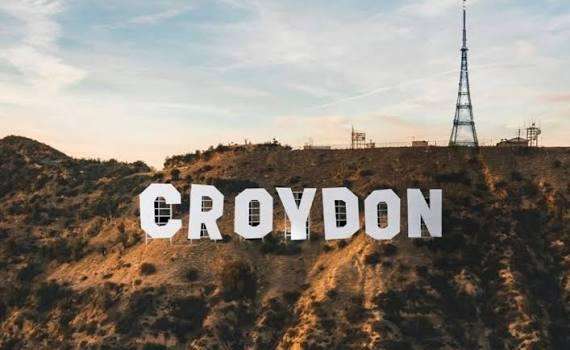
The sun is setting on the iconic Hollywood sign as the global film industry undergoes its most seismic shift in a century. While Los Angeles grappled with a staggering 24% decline in production through 2025, London has aggressively filled the vacuum. This is no longer just about "British talent" winning awards; it is about a total industrial takeover. In 2025 alone, the UK saw a record-breaking £6.5 billion spent on high-end television and film production, with London capturing the lion's share of a £10 billion inward investment wave. The capital has been rebranded by industry insiders as ‘Lollywood,’ a powerhouse that now hosts an average of 27 major film crews every single day, ranging from Sam Mendes’ ambitious Beatles cycle to Marvel’s Avengers: Doomsday.
Croydon: The Brutalist Backdrop Powering Blockbusters
In the heart of this transformation lies Croydon, a borough once unfairly derided for its concrete skyline, now celebrated as ‘Little Manhattan.’ This urban chameleon has become the secret weapon of Hollywood location scouts, doubling for Gotham City in The Dark Knight Rises and Eastern Europe in Amazon MGM’s Heads of State. The Croydon Film Office, managed by FilmFixer, has turned the borough’s versatility into an economic engine, attracting stars like Paul Mescal and Andrew Scott for the critically acclaimed All of Us Strangers. By offering a mix of Art Deco architecture, gritty brutalism, and expansive green spaces, Croydon provides a cost-effective, high-impact alternative to North American sets, effectively anchoring the UK’s claim as the new home of the global blockbuster.
Read More: From "Absolute Toilet" to "Little Manhattan": Why Hollywood is Saving Croydon
The Billion-Pound Studio Arms Race
The physical landscape of London is being rewritten by the demands of streaming giants. Netflix, which now accounts for nearly half of all UK streaming views, has committed to investing more in the UK than any country outside the US. This commitment is solidified by the massive $82.7 billion merger between Netflix and Warner Bros, a deal that has sent shockwaves through the industry and ensured that legendary hubs like Elstree and Leavesden remain block-booked for years. Meanwhile, Amazon Prime Video’s acquisition of Bray Studios and its lease on Shepperton means that British soil now holds the creative keys to the James Bond franchise. These are not temporary rentals; they are long-term territorial stakes in the future of entertainment.
Daily Dazzling Dawn Analysis: A Cultural Double-Edged Sword
While the economic data paints a picture of unprecedented prosperity, a deeper analysis reveals a complex cultural tension. The ‘Lollywood’ boom is fueled by attractive tax reliefs of up to 39.75%, yet this inward investment from US giants is creating a two-tier system. High-spending American productions are driving up the costs of crews, actors, and sound stages, making it increasingly difficult for homegrown, independent British filmmakers to compete. There is a growing concern that London’s streets are becoming a playground for US intellectual property rather than a canvas for British stories. For the local economy in places like Croydon, the benefits are clear—infrastructure improvements and jobs—but the cultural cost may be the gradual erosion of the UK’s independent creative voice in favor of a globalized, "mid-Atlantic" aesthetic.
The A-List Exodus and the London Lifestyle
The shift is as much social as it is financial. A massive uptick in "entertainment migration" has seen Hollywood royalty ditching the Hollywood Hills for London postcodes. From George Lucas’s £40 million St John’s Wood estate to Zendaya and Tom Holland’s life in Richmond, the consensus among the elite is that London offers a "real" culture that Los Angeles lacks. This influx of A-list residents has transformed neighborhoods like Hoxton and Nunhead into filming hubs, as creators like Lena Dunham choose to film where they live. As the industry moves into 2026, the momentum shows no signs of slowing; London has transitioned from being a mere location to becoming the primary boardroom, set, and home for the world’s biggest stars.



.jpg)