






.svg)
Health officials have launched one of the most significant targeted antibiotic distribution efforts in recent Kent history as the full scope of a deadly meningitis cluster comes into focus. With venue staff now confirmed among the hospitalised and the search for the specific bacterial strain intensifying, the community is being urged to move from concern to immediate action, Daily Dazzling Dawn understand.
The UK Health Security Agency (UKHSA) confirmed that 13 cases of invasive meningococcal disease have been notified since March 13. The outbreak has resulted in two fatalities—a University of Kent student and a Year 13 pupil from Faversham—and left 11 others hospitalised, several in critical condition. In a significant escalation, the hospitalised now include employees of Club Chemistry, the Canterbury nightclub identified as the outbreak's epicentre.
Read more- Meningitis outbreak latest: 72-Hour Window: Why Thousands Must Break Silence Now
The Invisible Risk: Symptoms to Monitor- Medical experts warn that early symptoms are notoriously difficult to distinguish from a common cold, flu, or even a severe hangover, which is why the "72-hour window" for treatment is so critical.
Key Symptoms of Meningitis and Septicaemia:
Sudden onset of high fever and shivering.
Severe, worsening headache and a stiff neck.
Vomiting and diarrhoea, sometimes accompanied by stomach cramps.
Cold hands and feet, even if the person has a high temperature.
Joint and muscle pain that feels unusually intense.
Extreme sleepiness, confusion, or difficulty being woken up.
Sensitivity to light (photophobia).
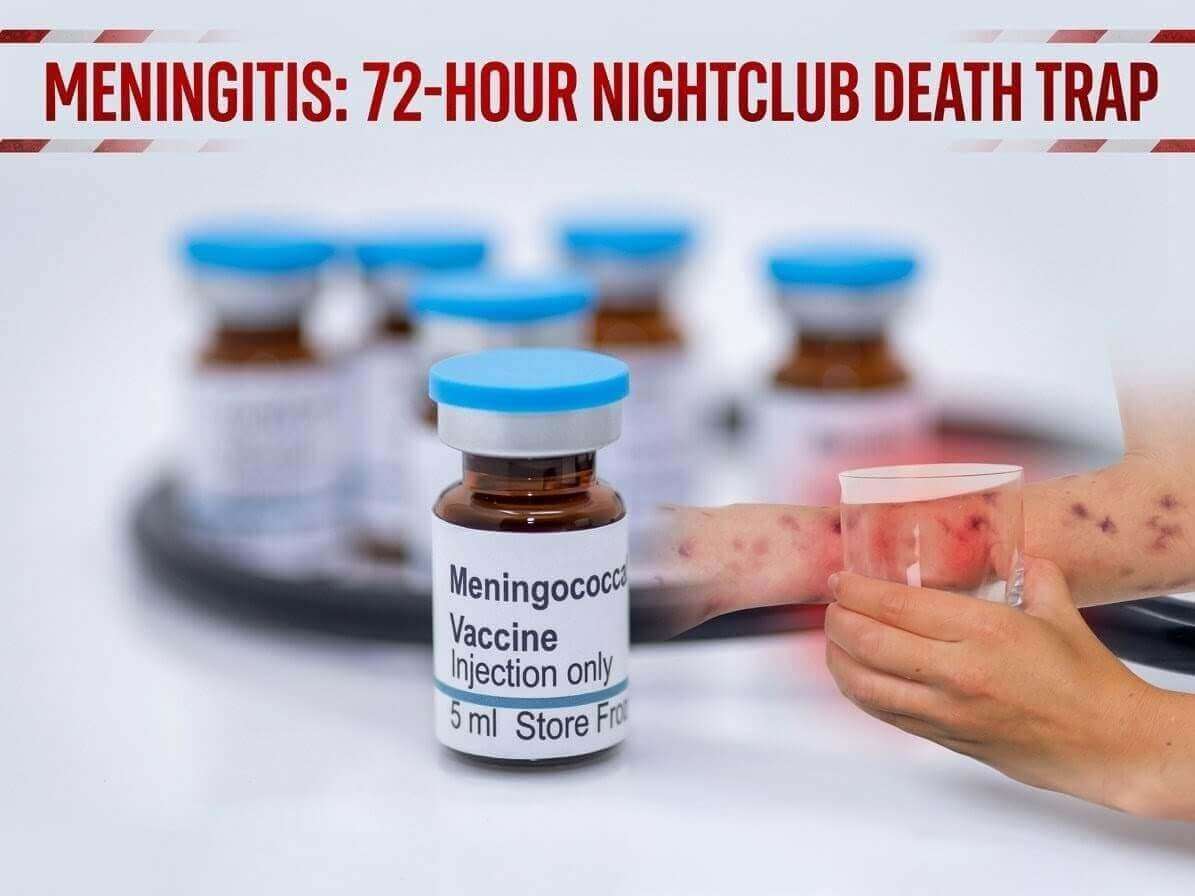
The "Glass Test" Rash: A rash or tiny red "pinpricks" that do not fade when a clear glass is pressed firmly against the skin. Note: Do not wait for a rash to appear before seeking help, as it is often a late-stage symptom.
Can This Be Prevented? While the current outbreak is being managed with emergency antibiotics, health officials emphasize that long-term prevention relies on vaccination and hygiene.
1. Emergency Antibiotics (Prophylaxis):
The UKHSA is distributing preventative antibiotics to "close contacts" to stop the bacteria from colonizing. If you attended Club Chemistry on March 5, 6, or 7, or live in high-density student housing, you are urged to visit an emergency clinic immediately. These antibiotics kill the bacteria before they can cause illness.
2. Vaccination: The most effective long-term protection is the MenACWY vaccine, typically offered to teenagers in school Years 9 and 10. It protects against four strains (A, C, W, and Y). Officials are currently auditing vaccination records across Kent to identify "immunity gaps," particularly among international students or those who missed their school-based appointments.
3. Awareness and Hygiene:
Meningococcal bacteria are spread through respiratory droplets (coughing, sneezing) and close, prolonged contact (such as kissing or sharing drinks). Health teams advise against sharing utensils or vapes and urge students to "look out for your mates"—if a friend is unusually unwell and sleeping, check on them every hour.
Operational Update: Where to Get Help
Four emergency hubs remain open for those requiring preventative treatment:
Senate Building (University of Kent): 8am–8pm
Gate Clinic (Kent & Canterbury Hospital): 8:30am–8pm
Westgate Hall (Canterbury): 8:30am–7:30pm
Thanet Community Health Hub (Broadstairs): 8:30am–8pm