


.jpg)


.svg)
A fundamental shift in British electoral dynamics is unfolding as Nigel Farage’s Reform UK grapples with a visible cooling of its post-insurgency momentum.
The Methodology Conflict: Strategy Over Statistics
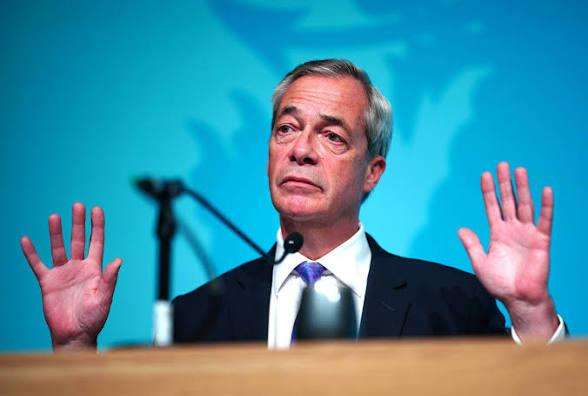
The intensifying row between Nigel Farage and major pollsters like YouGov reveals a deeper battle for the narrative of "inevitability." Farage’s accusation of "deception" stems from a specific change in how data is collected: YouGov now asks voters about their specific constituency intentions rather than general party favor. This method, designed to capture tactical voting, has consistently shown Reform UK at roughly 23-25%, while traditional national polls often place them higher. Farage’s aggressive stance against these figures is a calculated move to prevent a "suppression effect," where potential voters might abandon the party if they believe it cannot win locally. By discrediting the methodology, Farage seeks to maintain the psychological "surge" that fuels his base.
The 2026 Plateau: Why the Growth is Stalling
While Reform UK remains a powerhouse with 25% support, the rapid growth seen in late 2025 has hit a ceiling. Data from Professor Sir John Curtice indicates a consistent two-point decline across a ten-pollster average since February 2026. This stagnation is attributed to a "visibility crisis" in local governance. In flagship councils like Kent and Lancashire, Reform has faced internal infighting and governance hurdles that have dampened the "protest vote" appeal. As the party moves from an insurgent force to a governing body at the local level, it is being judged on delivery rather than just rhetoric, leading some undecided voters to hesitate.
The Beneficiaries: Who is Winning the Disenchanted?
As Reform’s trajectory flattens, the "anti-establishment" vote is no longer a monopoly. The Green Party has emerged as the primary beneficiary of voter volatility, surging to 19-21% in recent surveys and even overtaking Labour in key by-elections like Gorton and Denton. While Reform attracts manual and routine workers, the Greens are successfully capturing younger, disillusioned voters who previously flirted with Farage’s "shake-up" message. Simultaneously, the Conservative Party under Kemi Badenoch has begun a slow reclamation of traditional right-wing voters who are wary of the potential international consequences of Reform’s more radical proposals.
The Welfare Policy and Trade War Risks
The party’s policy platform is also under intense scrutiny following Richard Tice’s defense of plans to withdraw welfare support from EU settled citizens. Critics, including European Affairs Minister Nick Thomas-Symonds, warn that this move could trigger a retaliatory trade war with the EU, with economic consequences projected to exceed £9 billion annually by 2040. Tice’s dismissal of these warnings as "socialist scaremongering" reinforces the party’s nationalist identity but risks alienating centrist voters who prioritize economic stability over identity politics. This policy friction is becoming a key factor in why some moderate right-wingers are returning to the Tory fold.
What Happens Next: The May Election Decider
The true test for Reform UK lies in the upcoming May 2026 local and Senedd elections. The party is currently in a high-pressure recruitment drive, using national advertising to fill candidate gaps in over 600 wards. If Reform fails to convert its 25% national polling into a significant "boots on the ground" victory, the "Farage Effect" may be viewed as having reached its natural limit. The coming weeks will determine whether Reform can professionalize its local operations or if the 2026 local elections will mark the beginning of a tactical retreat for the populist right.


.jpg)