





.svg)
In the war-torn Gaza Strip, families already struggling to survive are now dealing with a growing threat from rodents and pests invading overcrowded displacement camps.
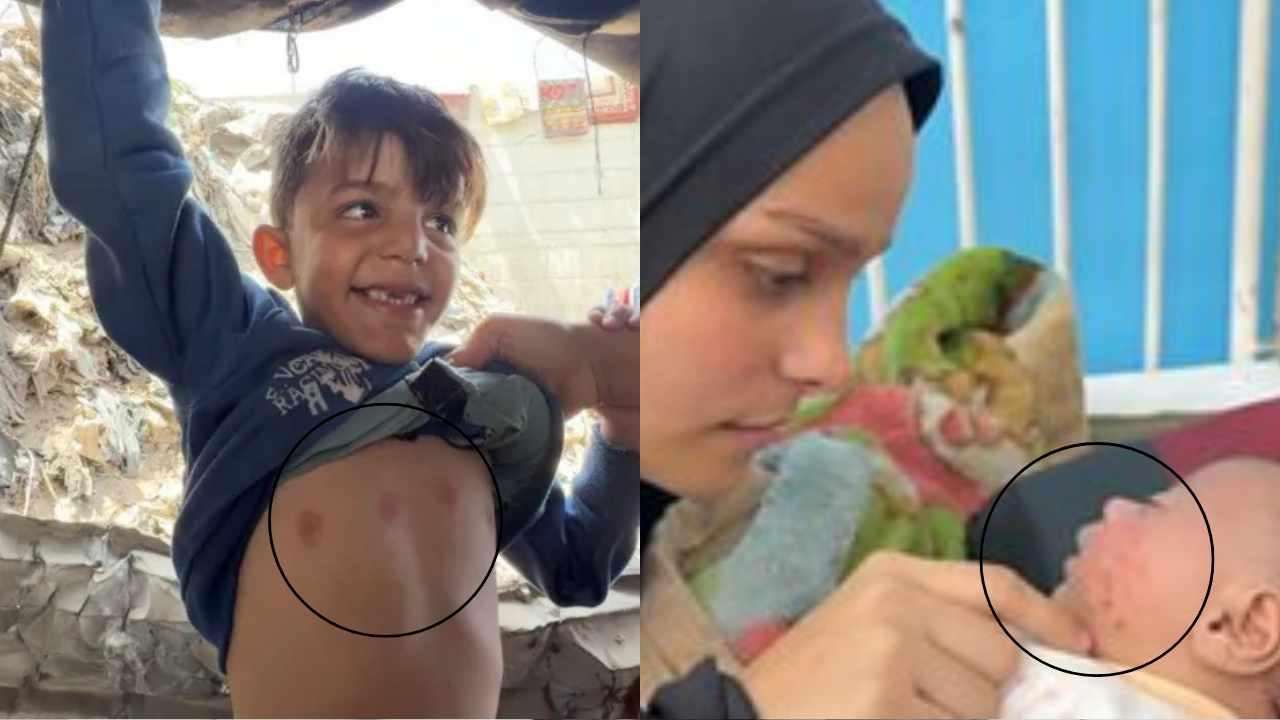
Samah al-Daabla recalled a terrifying night when her four-year-old daughter, Mayaseen, woke up screaming. When her husband turned on a flashlight, a weasel ran away. Her daughter’s hand was badly injured and covered in blood. She later received a tetanus injection at a hospital in Gaza City but suffered from fever and vomiting for several days before recovering.
Incidents like this are becoming increasingly common. Displaced families across Gaza report nighttime attacks by rats and other animals. The most vulnerable—including infants, the elderly, and those with chronic illnesses—face the highest risk. In one case, an elderly woman with diabetes reportedly lost parts of her toes after being bitten.
Surveys cited by international agencies show that pests are present in around 80% of displacement sites, affecting about 1.45 million people. Health experts warn that rodents can spread diseases through bites, contaminated food, urine, and droppings, leading to skin infections, respiratory illnesses, and even blood infections.
Dr. Reinhilde Van De Weert from the World Health Organization said the infestations are a predictable result of collapsing living conditions. With sewage systems destroyed, waste piling up, and poor sanitation, the environment has become ideal for pests—especially as temperatures rise.
Despite a ceasefire months ago, conditions in Gaza have not improved significantly. Reconstruction has not yet begun, and many families still lack proper shelter. Humanitarian organizations stress the urgent need for large-scale action, including waste removal, drainage repairs, and pest control.
Officials from UNICEF say critical infrastructure, including wastewater systems, has been severely damaged. Efforts are underway to manage sewage and improve sanitation, but progress remains slow due to limited resources and access restrictions.
Meanwhile, COGAT says it is working with international groups to allow the entry of essential supplies such as rat traps, pesticides, and equipment for infrastructure repairs, while maintaining restrictions due to security concerns.
The health crisis continues to grow. Reports indicate more than 111,000 cases of diseases linked to parasites this year, including scabies, lice, and bed bugs. Over 80% of households report skin infections or rashes.
Residents say daily life has become extremely difficult. Many parents stay awake at night to protect their children, while others struggle with constant exposure to fleas, mosquitoes, and the ongoing presence of rats and weasels.
With summer approaching, aid agencies warn that the situation could worsen further without urgent intervention. For Gaza’s displaced population, survival now depends not only on avoiding conflict but also on enduring increasingly dangerous living conditions.


_2.jpg)