




.svg)
The era of the "starter flat" as a guaranteed wealth generator has officially ended as London’s property market undergoes a structural divorce between high-density apartments and traditional houses.
The Hidden Subscription Trap
While nominal flat prices in boroughs like Wandsworth have retreated from £600,000 to approximately £530,000, the real barrier for buyers has shifted from the mortgage to the "monthly subscription." For the first time in history, the average monthly service charge in England and Wales has breached the £200 mark, with Londoners bearing a significantly heavier burden. In prime developments, these non-negotiable fees now average £2,801 annually—a 64.5% increase over the last decade—often accounting for more than 1% of the property’s total value. Financial institutions are responding with increased scrutiny, with several major lenders now red-flagging properties where service charges exceed this 1% threshold, effectively locking out first-time buyers even as interest rates begin to soften.
The Commonhold Revolution
The market is currently paralyzed by the transition toward the Draft Commonhold and Leasehold Reform Bill, published in late January 2026. This landmark legislation aims to dismantle the "feudal" leasehold system by banning the sale of new leasehold flats and making commonhold the default tenure. While this promises long-term relief by giving owners collective control over their buildings, it has created a temporary "buyer strike" for existing leasehold stock. Investors are hesitant to acquire assets under a dying system, while the proposed £250 ground rent cap is not expected to be fully implemented until late 2028, leaving current owners in a legislative limbo that prevents clean exits.
A Structural Collapse in Supply
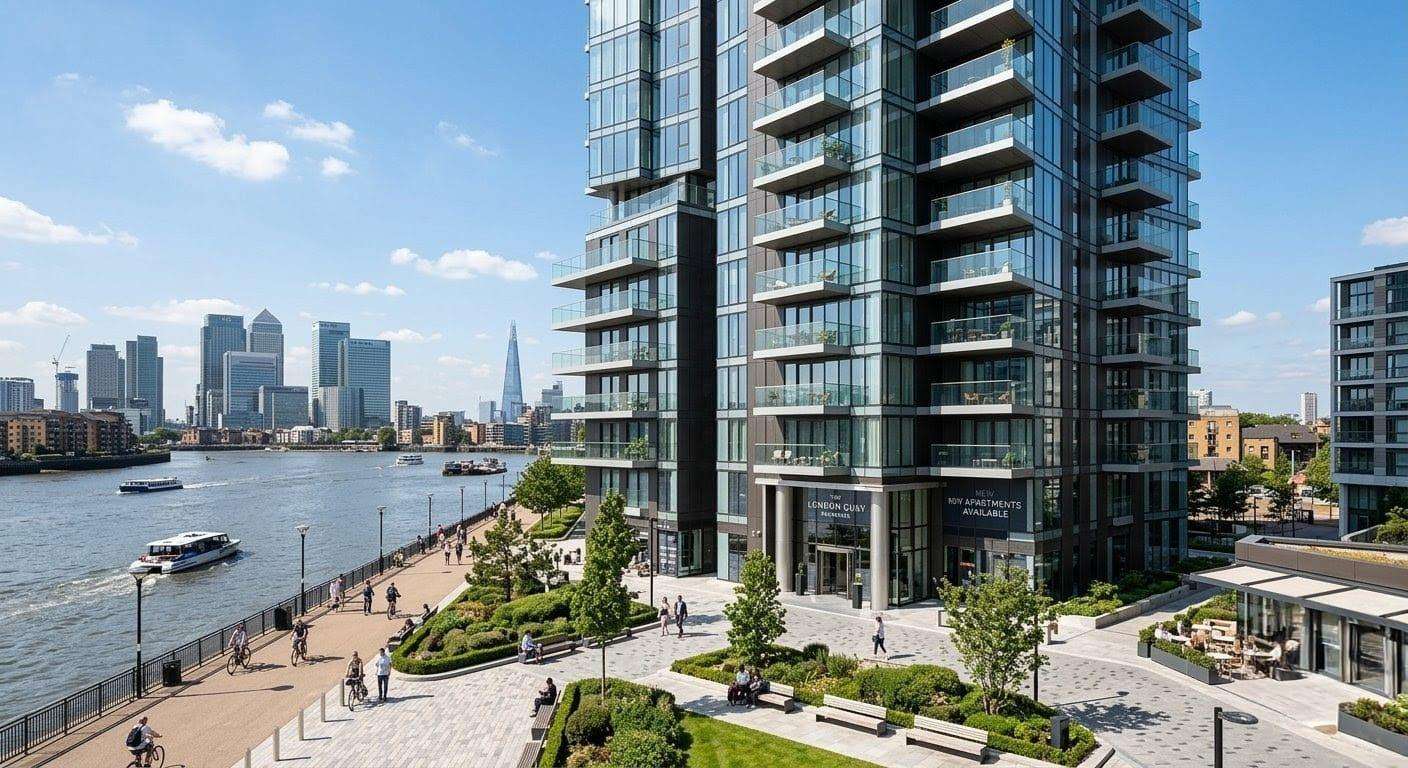
The skyline's growth has hit a wall, with new housing starts in London plunging 80% from their 2018 peak. Private developers, squeezed by high construction costs and a 11% decline in new-build values over the last twelve months, have largely withdrawn from the market. Of the 56,700 units currently under construction, 90% are slated for completion by 2028, with almost no large-scale schemes initiated in 2025 to replace them. This "supply cliff" suggests that while demand for flats is currently anemic due to the post-pandemic "race for space," the city may face a severe shortage of modern accommodation by the end of the decade, potentially forcing a painful price correction for the next generation of renters.
The Divergence of Value
A "two-speed" market has emerged where houses are outperforming flats by a widening margin. In the past year, while London flat values dropped by an average of 5.1%, terraced and semi-detached houses in outer boroughs like Ealing and Woolwich saw appreciation of up to 9%. Buyers are increasingly prioritizing the Elizabeth Line's connectivity to trade square footage in Zone 2 for freehold security in Zone 4. This shift is reflected in the fact that 64% of new home exchanges now occur only upon completion—a massive jump from 25% in 2020—as buyers refuse to take "off-plan" risks on a product that no longer carries a premium.