



.jpg)


.svg)
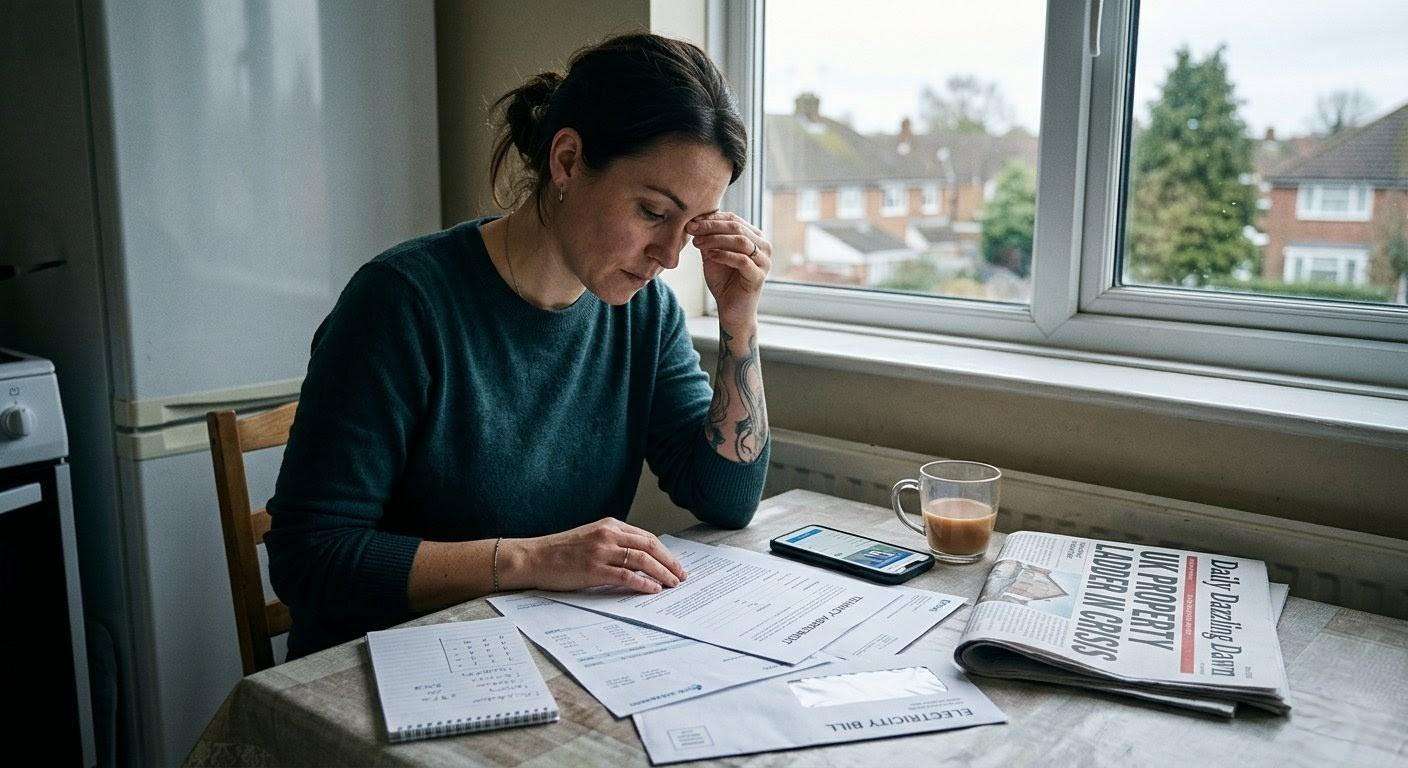
The British dream of property ownership is undergoing a fundamental structural shift as the fiscal chasm between baby boomers and their offspring reaches a historic tipping point. While the previous generation utilised property as a primary engine for wealth creation, today’s workforce—even those in high-status, specialised careers—finds itself tethered to a rental cycle that consumes nearly 40% of their gross income.
Recent data highlights a sobering reality: the average first-time buyer must now secure a deposit equivalent to twice their annual salary, a stark contrast to 1995 when a mere third of a yearly wage sufficed. For professionals like Elena Vance, a 32-year-old bespoke artisan based in London, the numbers simply do not add up. Despite a flourishing career, Vance is navigating a market where a standard two-bedroom rental in the suburbs commands £2,500 per month, leaving little room for the £60,000 deposit typically required for a modest entry-level home.
"I have likely liquidated £100,000 into rent since my early twenties," Vance told a journalist. "It is a treadmill where the speed keeps increasing but the destination never gets closer. You are forced to choose between a safe neighbourhood and the ability to save."
This sentiment reflects a broader economic stagnation. While average salaries have roughly doubled since the 1990s, house prices in key economic hubs have surged by over 400%. The "ladder" that allowed previous generations to trade upwards—starting with small flats and renovating them for profit—has effectively lost its bottom rungs.
Writing for Daily Dazzling Dawn, analysts suggest that the "bank of mum and dad" is no longer a universal safety net. Many parents, though sitting on significant property equity, lack the liquid liquidity to bridge the £400,000 gap their children face. As one retiree noted, "Our wealth is bricks and mortar; we worked sixty hours a week on pig farms and in factories to pay off high-interest mortgages, but we didn't have the high-tech overheads of today. We sacrificed, but the luck of the timing cannot be ignored."
Industry experts are now looking toward 2027, predicting a surge in "intergenerational co-living" models as the only viable alternative to the rental trap. With the closure of previous government assistance schemes, the market is bracing for a permanent shift toward a continental-style rental culture, where ownership is reserved for the highest earners or those with significant inheritance.
The cultural fallout of this shift is palpable. "Everything felt more accessible once," a former union representative told a journalist. "There was a sense of progression. Now, the culture feels thinner because the young are ground down by the sheer cost of existing."
Ultimately, fiscal advisors suggest a return to hard-nosed pragmatism. The advice for the coming year is clear: fit costs strictly to life and earnings, invest in real assets wherever possible, and avoid the temptation to live today on the credit of tomorrow. As the generational divide deepens, the focus must shift from "if" young people will buy, to "how" the state will support a generation of lifelong renters.

_1.jpg)