
.jpg)


.svg)
The UK government has formally rejected demands to prohibit large-scale religious gatherings, setting a definitive boundary between the current administration and the escalating rhetoric from the political right.
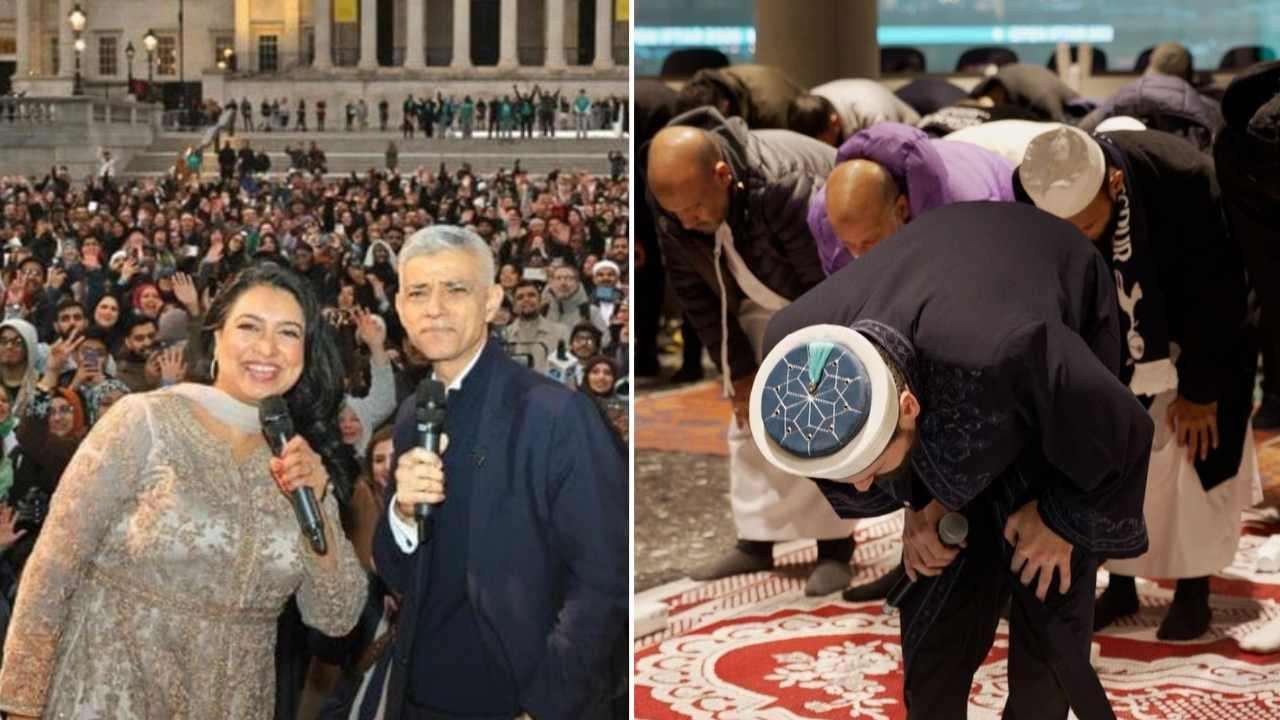
The debate ignited following the Reform UK conference in Renfrewshire, where Nigel Farage characterized a recent Iftar event in Trafalgar Square as a provocative display of domination. This sentiment echoed earlier remarks by Conservative Shadow Justice Secretary Nick Timothy, who faced intense scrutiny for labeling public prayer as an act of division. Conservative leader Kemi Badenoch has notably stood by Mr. Timothy, a move that has deepened the rift between the Tory frontbench and faith communities.
The Labour government’s response has been one of calculated inclusivity, positioned by political analysts as a strategic "correction" to the alienated relationship between the state and British Muslims. Scotland Office Minister Kirsty McNeill clarified that the Prime Minister views religious diversity as a fundamental British strength rather than a threat. By affirming that celebrations for Easter, Diwali, and Hanukkah will continue alongside Islamic events, the government is framing itself as the sole protector of the "freedom of worship" in a pluralistic society.
This contrast is having an immediate impact on voter data. While the Conservatives and Reform UK appear to be competing for a specific nationalist demographic, the Labour Party is reclaiming ground with British Muslim voters who felt marginalized by previous policy shifts. The Attorney General, Lord Richard Hermer, highlighted this perceived hypocrisy by questioning whether the opposition’s objections extended to his own public prayers as a Jewish man, or if their scrutiny was exclusively reserved for the Muslim community.
Looking ahead, the political focus will shift to the upcoming religious calendar. As Easter and subsequent high-profile faith events approach, the Home Office is expected to release updated guidance on public assembly that reinforces the legality of religious expression. This move is designed to legally insulate such events from future political interference. For Nigel Farage and the Conservatives, the challenge remains whether their current trajectory will lead to a permanent loss of support from Britain’s diverse religious electorate, many of whom now view the Labour Party as the primary shield against discriminatory legislation.


.jpg)