


.svg)
A devastating airstrike in Kabul has left hundreds of people feared dead, turning what should have been a day of celebration into one of grief and despair. The attack, reportedly carried out by Pakistan targeting alleged militant infrastructure in Afghanistan, instead struck a rehabilitation center for drug addicts, according to the United Nations and Afghan authorities.
The facility, known as Omid (“Hope”), was hit late Monday night as patients had just returned from Tarawih prayers during Ramadan. Initial UN estimates suggest at least 143 people were killed, while Afghan officials claim the death toll could exceed 400, with hundreds more injured.
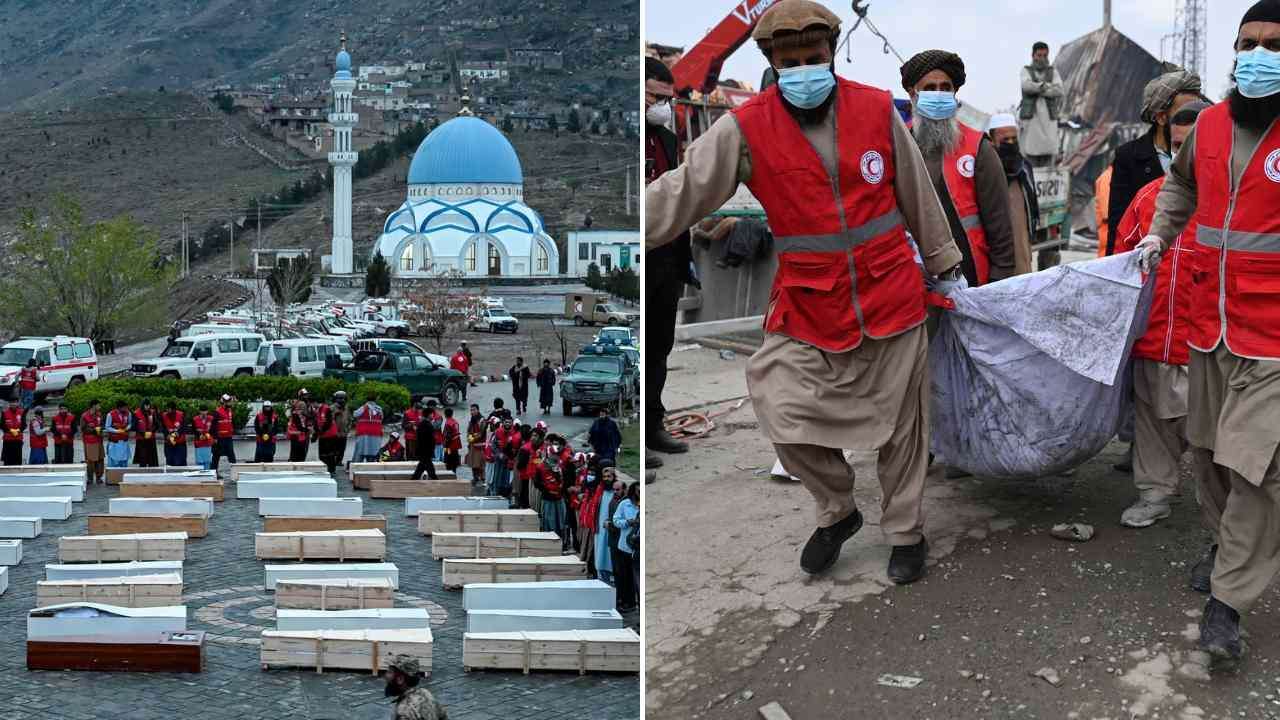
Among those affected was Sohrab Faqiri, who spent the Eid holiday searching for his brother, Qais—a tailor and father—who had been receiving treatment at the center for several months. After failing to locate him in hospitals, Faqiri eventually recognized his brother in a video showing a mass burial of victims. Visiting the burial site on Eid, he found rows of unmarked graves, unable to identify where his brother was laid to rest. Overcome with grief, he said he had not yet found the strength to inform their mother.
Survivors described scenes of chaos and horror. One patient recounted waking up to explosions, flames, and cries for help, with many killed instantly. Others suffered severe injuries from shrapnel as parts of the facility collapsed or caught fire. Emergency responders reported that the blaze was so intense it could be seen from miles away, making rescue efforts extremely difficult.
Aid workers arriving at the scene the following day described widespread destruction, with parts of the building completely reduced to rubble. Many victims could not be identified due to the severity of the damage.
Pakistan has defended the strike, stating it was aimed at militant targets allegedly operating from Afghan territory. However, humanitarian organizations and the UN have called for restraint, urging all sides to de-escalate tensions and avoid further civilian casualties.
Medical teams in Kabul treated dozens of wounded individuals, many suffering from blast injuries and severe trauma. Doctors noted that such injuries had become rare in recent years but are now reappearing amid renewed violence.
The tragedy has sparked outrage and deep sorrow across the region, highlighting the devastating human cost of escalating conflict. For families like Faqiri’s, the pain is compounded by the inability to properly mourn their loved ones, as many victims remain buried in unmarked graves.

.jpg)