





.svg)
Bangladesh is quietly launching a highly strategic counter-offensive against its dangerous economic over-reliance on garments, using tech-driven supply chains to systematically infiltrate premium food markets in Europe and the Middle East.
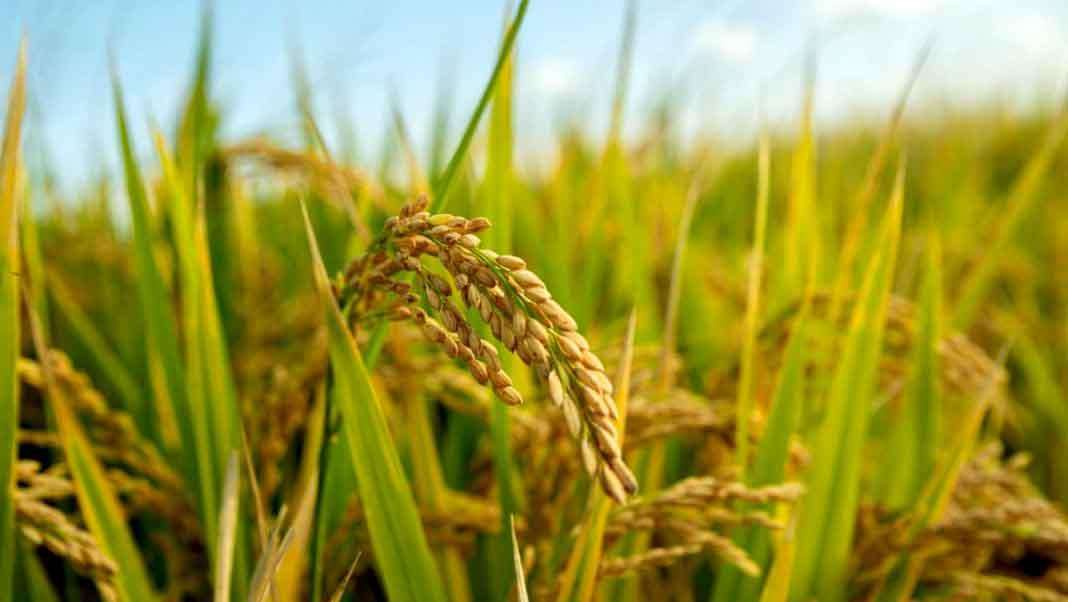
An investigative tracking of supply corridors reveals that B2B commerce pioneer ShopUp has executed a highly regulated, government-allocated shipment of 300 tonnes of aromatic rice directly into the strict retail frameworks of the United Kingdom and the Kingdom of Saudi Arabia. Behind this initial shipment lies a more complex, long-term blueprint: the installation of a cold-chain and rapid-transit infrastructure designed to turn perishable Bangladeshi crops into a permanent fixture on Western and Gulf supermarket shelves.
For decades, international observers have warned that Dhaka’s economy floats on a single hazardous commodity, with the ready-made garment (RMG) sector pulling in over 80% of total merchandise export revenue. However, with the United Nations General Assembly's official timeline for Bangladesh’s graduation from Least Developed Country (LDC) status fast approaching on November 24, 2026, the country faces the imminent expiration of preferential trade tariffs. This reality has forced a rapid pivot toward structural diversification.
Industry insiders note that previous attempts by individual traders to scale agricultural exports repeatedly failed due to strict phytosanitary barriers in Europe and sudden supply chain disruptions in the Gulf. By treating agriculture as a high-precision logistical challenge rather than a simple trading commodity, a systematic framework is being established to meet these international standards.
The operational friction increases significantly as the pipeline expands from dry staples into perishable products. To reliably export fresh vegetables and seasonal fruits, the supply network must bypass traditional middleman systems that often cause post-harvest losses, which currently cost the country billions of dollars annually. Moving fresh items requires precise temperature controls, certified packaging facilities, and rapid air-freight arrangements that must operate flawlessly within hours of harvest.
The next phase of this export strategy is already moving into specialized categories. Regulatory filings and supply chain preparations indicate that production lines are being aligned to scale up the export of highly specific regional staples, including premium mustard oil and puffed rice. These products are being strategically positioned to capture the high-margin purchasing power of the expansive South Asian diaspora across the UK and Asia, while simultaneously appealing to mainstream, quality-focused global consumers.
"Bangladesh produces far more than the world currently sees," the Chief Executive Officer of ShopUp Bangladesh, Ataur Rahim, told journalists during an inquiry into the expanding trade lanes. "Our goal is not to make occasional export shipments; it is to build the infrastructure that allows Bangladeshi food products to reliably reach global markets at scale. Rice and fresh produce are the starting point, but over time we believe Bangladesh can become a much stronger food export player across multiple categories."
This rapid corporate scaling aligns with the strict directives laid out in Bangladesh's Export Policy 2024–2027. The state mandate formally designates the agro-processing and fresh produce sectors as high-priority engines for economic growth. As traditional cash crops face shifting domestic climates and changing regional trade dynamics, building automated, compliant, and demand-driven trade channels offers a viable roadmap for sustainable growth.
If these tech-enabled logistics networks can successfully scale up, the country's fertile delta may soon transform from a domestic food security asset into a major driver of foreign currency reserves.