



.svg)
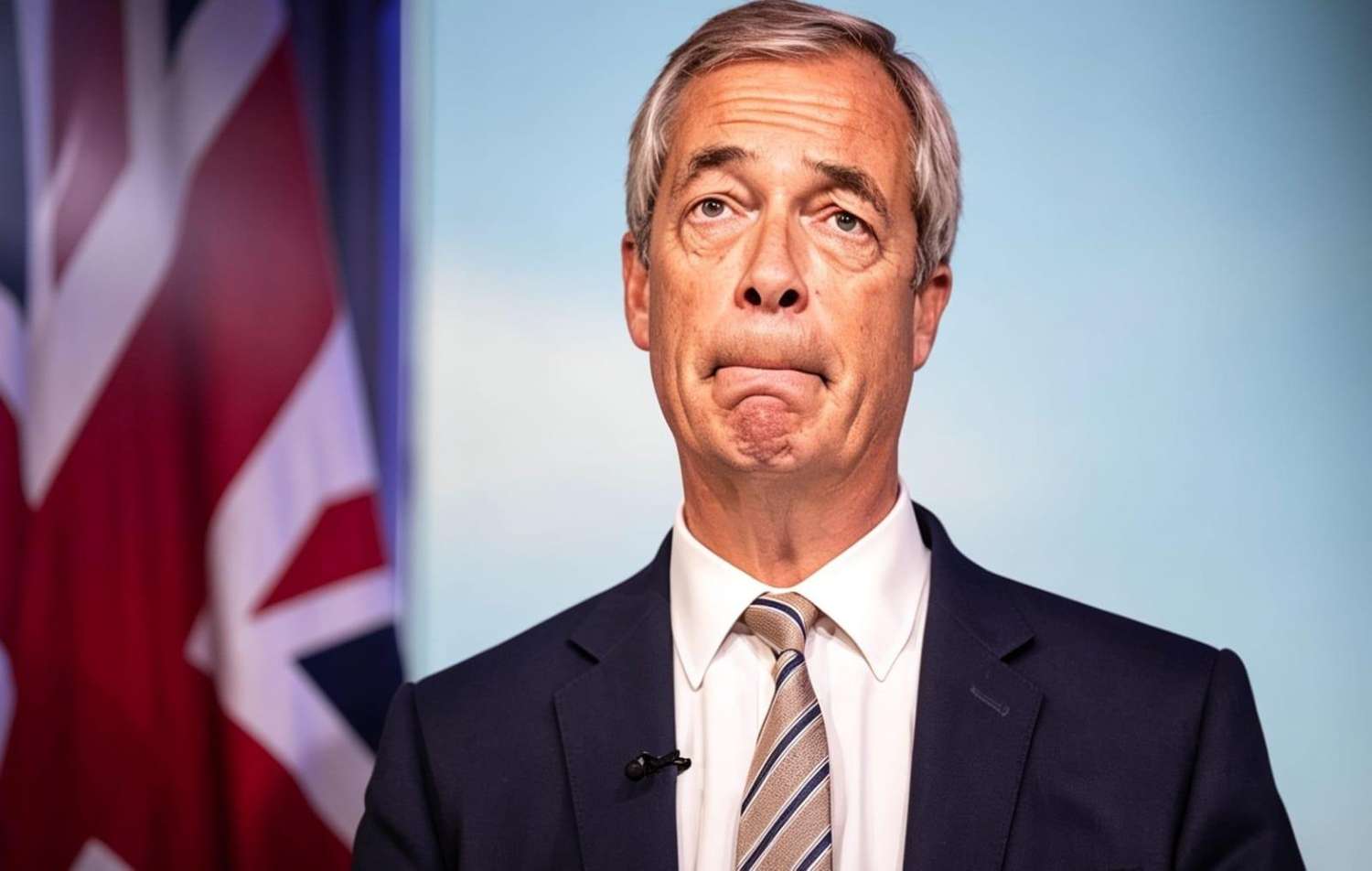
The coastal constituency of Clacton-on-Sea is preparing for an unprecedented democratic test following the sudden resignation of Nigel Farage. The decision, framed by his allies as an attempt to clear his name in the court of public opinion, follows intensifying institutional scrutiny over undeclared financial donations, including a contested five-million-pound gift from a cryptocurrency investor and financial backing from close political associates. Rather than awaiting the final adjudication of the Parliamentary Standards Commissioner, the Reform UK leader has chosen to reset the board, betting that a fresh mandate from his local electorate will neutralize the Westminster investigation.
However, the battlefield he anticipated has been radically reshaped by his opponents. In a coordinated tactical maneuver, the Conservative Party, Labour, and the Liberal Democrats have indicated they may decline to field major candidates, seeking to starve the event of the high-profile adversarial drama that fuels populist campaigns. Kemi Badenoch has explicitly chosen to hold back, calculating that the quasi-judicial parliamentary process should simply take its course. If Farage runs virtually unopposed or faces only minor local independent challengers, a victory is statistically guaranteed, but it will lack the democratic weight needed to silence his critics.
The tactical dilemma deepens when looking at the right flank. Restore UK, led by Farage’s prominent internal antagonist Rupert Lowe, is similarly holding back its fire for the summer contest. Sources close to the matter suggest that right-leaning factions believe the investigation into the undeclared crypto-millionaire donations will automatically resume the moment the winner takes their seat in the House of Commons. Should the subsequent standards report recommend a suspension of ten or more sitting days, it would trigger a formal recall petition under the Recall of MPs Act. If ten percent of local constituents sign, the seat becomes vacant again. Consequently, Farage faces the acute danger of fighting a second, far more damaging by-election before the winter.
An investigative review by the Daily Dazzling Dawn highlights that the outcome of this political gamble will fundamentally dictate the structural trajectory of Reform UK. A successful defense of the seat in a low-turnout, uncontested summer ballot provides a short-term shield against Westminster pressure, keeping Farage at the absolute center of national media attention. Yet, it also risks exposing organizational fatigue, turning a national movement into a localized legal defense mechanism.
The alternative scenario introduces existential risks for the wider party. While an outright electoral defeat in Clacton remains highly improbable due to the current absence of mainstream candidates, a severe drop in voter turnout or an unexpected surge by local independent coalitions would shatter the illusion of his political invulnerability. Because Reform UK relies heavily on the personal brand and charisma of its leader, any measurable decline in his electoral appeal directly deflates the party's momentum nationwide. Far from settling the controversy, this summer ballot may simply mark the opening chapter of a protracted, cyclical struggle for survival.