




.svg)
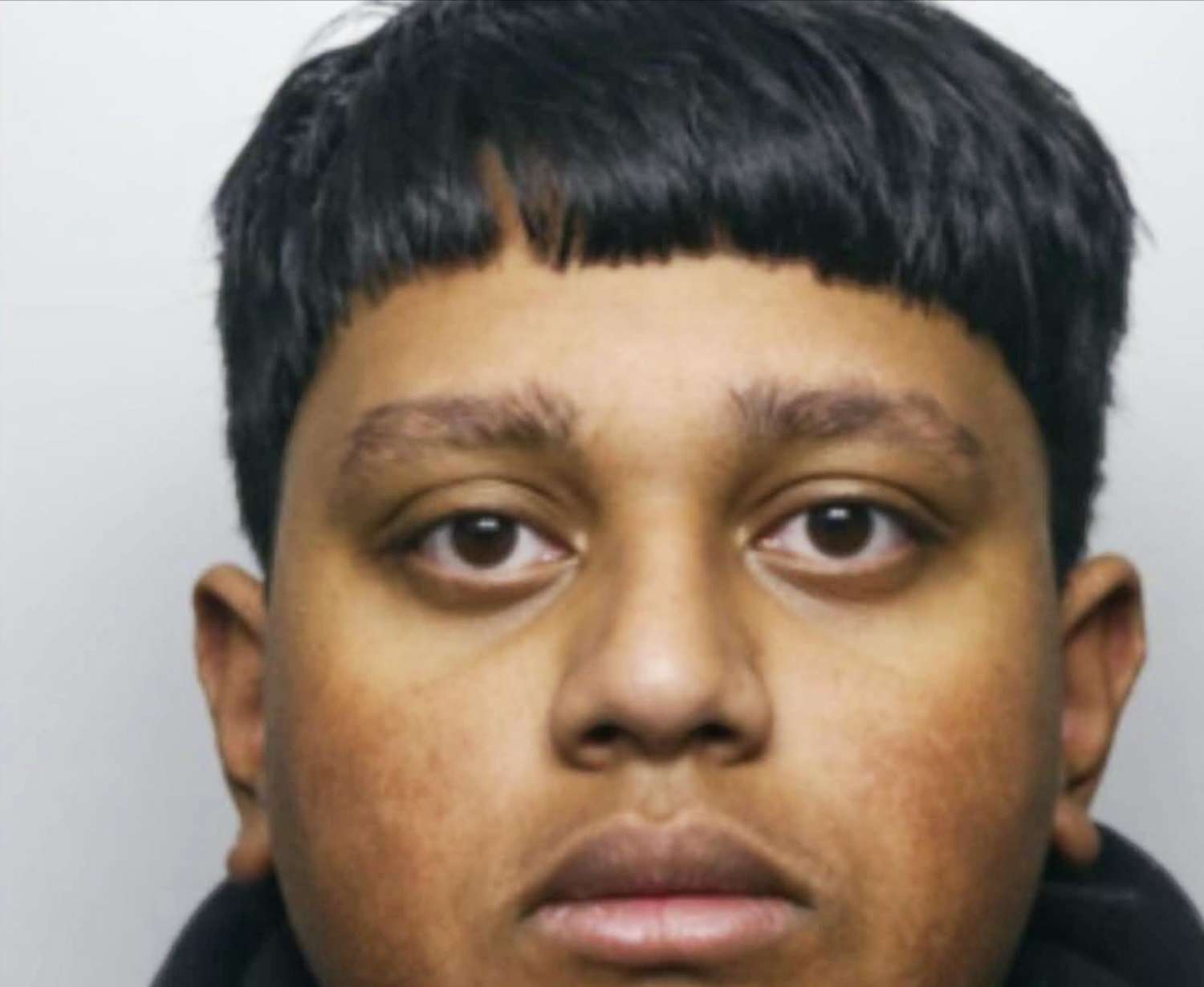
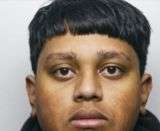
The international search for the prime suspect in the murder of American political activist Jamey Carney has escalated into a complex diplomatic operation. Irish authorities are currently navigating international legal frameworks to secure the return of 28-year-old asylum seeker Ahmad Al-Saqar, who fled Ireland shortly before Carney’s body was discovered in her home in Killarney, County Kerry. Investigative tracking confirms that Al-Saqar successfully boarded a flight from Dublin to Istanbul, Turkey. However, security sources indicate that his final destination remains unconfirmed, with intelligence suggesting potential movements towards Jordan or Syria.
Bringing the suspect back to Irish jurisdiction presents significant legal hurdles that require meticulous state-level coordination. As reported by investigative journalists at Daily Dazzling Dawn, Ireland maintains a valid extradition framework with Turkey under the European Convention on Extradition. For Irish authorities to activate this mechanism and issue an international arrest warrant, the Director of Public Prosecutions must first formally recommend a specific criminal charge.
The legal landscape becomes considerably more challenging if the suspect has already transitioned beyond Turkish borders into Jordan. Legal experts note that the legislative frameworks of Ireland and Jordan lack compatibility, rendering a standard mutual assistance or automatic extradition treaty highly unlikely. Consequently, any potential apprehension within Jordanian territory would necessitate unprecedented bilateral diplomatic interventions and bespoke administrative agreements.
The police response has transitioned into a global tracking operation coordinated via Interpol and Europol. Forensic evidence indicates that Carney, a dedicated 43-year-old activist known for her prominent campaigning work in anti-war and human rights movements, was killed on Tuesday evening following reports from neighbours of a verbal disturbance. Her remains were later found by her teenage daughter.
Sources close to the inquiry state that Al-Saqar is the sole individual being sought in connection with the homicide. Documentation revealed that upon his arrival in Ireland in mid-2024, he was classified as undocumented after claiming Palestinian origin and a history within regional refugee camps. Detectives are currently auditing all known travel documents and digital footprints associated with the suspect, including a recently disabled social media profile, to establish his precise location.
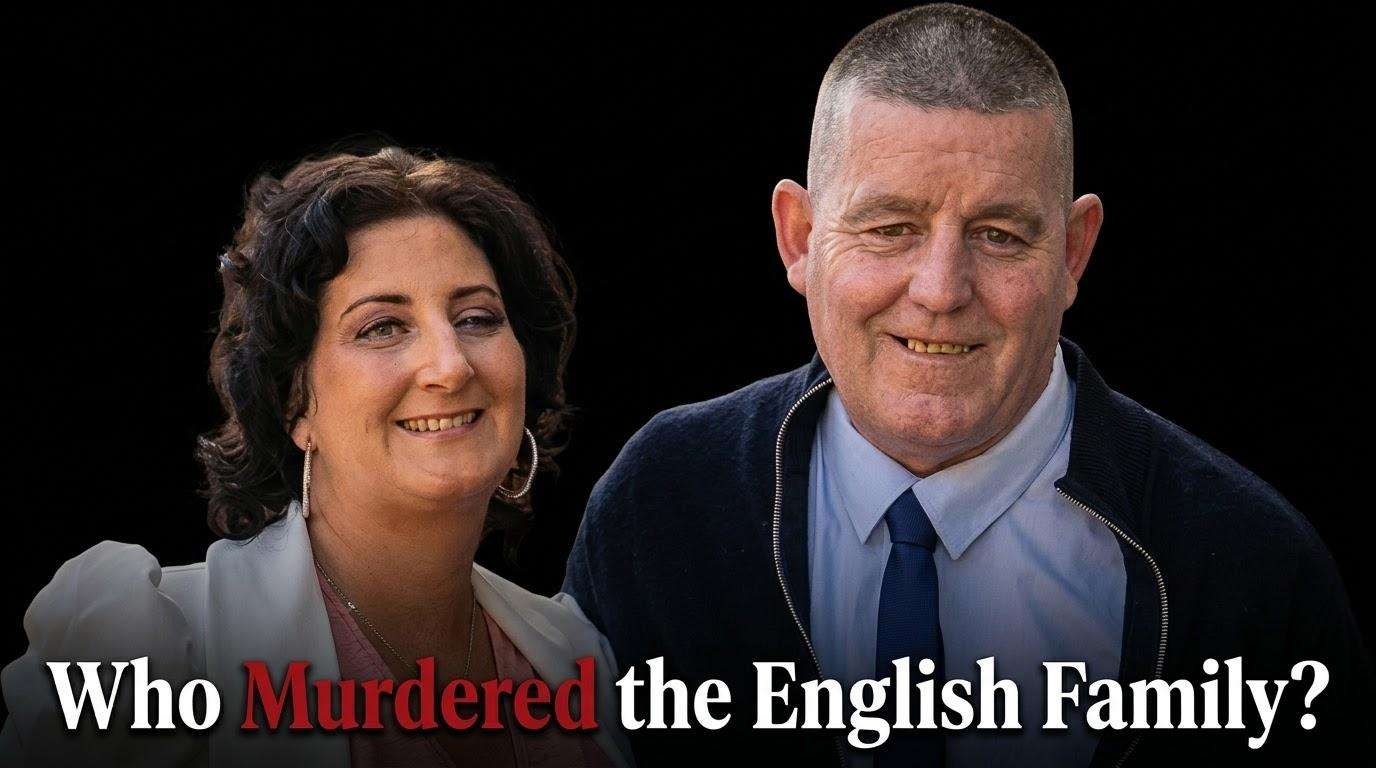
Waterford Murders: English Family Previously Petrol Bombed as Multiple Searches Seek Killers?
The handling of the initial hours of the search has drawn scrutiny from political figures. In statements provided to journalists, political representatives have questioned the tactical decision to withhold the suspect’s identity from the public during his initial flight from the country, emphasizing that public safety and the rapid apprehension of dangerous individuals must dictate police protocol. Formal inquiries have been submitted to the Minister for Justice to clarify these procedural choices.
Meanwhile, Carney's family has arrived in Ireland to coordinate with local social services and law enforcement. Speaking to journalists, family members described the victim as an exceptionally compassionate human being who dedicated her life and energy to fighting for the rights of marginalized communities. A public fund has been established by relatives to manage sudden transatlantic travel, legal representation, and local arrangements, ensuring that Carney’s daughter can remain supported within her community while the global search continues.