_1.jpg)





.svg)
The mastermind hackers who launched one of the most devastating cyberattacks in United Kingdom history, bringing London’s entire transport network to a grinding halt, have been unmasked and jailed following a televised sentencing at Woolwich Crown Court. While a conviction under Section 3ZA of the Computer Misuse Act theoretically carries a maximum penalty of life imprisonment, the five-and-a-half-year sentences reflect a complex judicial balancing act between unprecedented infrastructure disruption and profound personal mitigation. Legal analysts pointing to the perceived leniency of the term note that while the duo’s eleventh-hour guilty pleas on the first day of their scheduled trial yielded only a minimal ten percent credit—bypassing the standard one-third discount reserved for early admissions—it was their youth and acute neurodivergent profiles that ultimately stayed the judge’s hand. In delivering his ruling, Mr Justice Turner weighed the gravity of a £39 million cyber-siege against the defendants’ psychological vulnerabilities, notably Jubair’s severe clinical depression and autism, ultimately framing their devastating virtual assault as an act of reckless, "selfish bravado" designed to court status within the Scattered Spider collective rather than a coordinated effort at national sabotage.
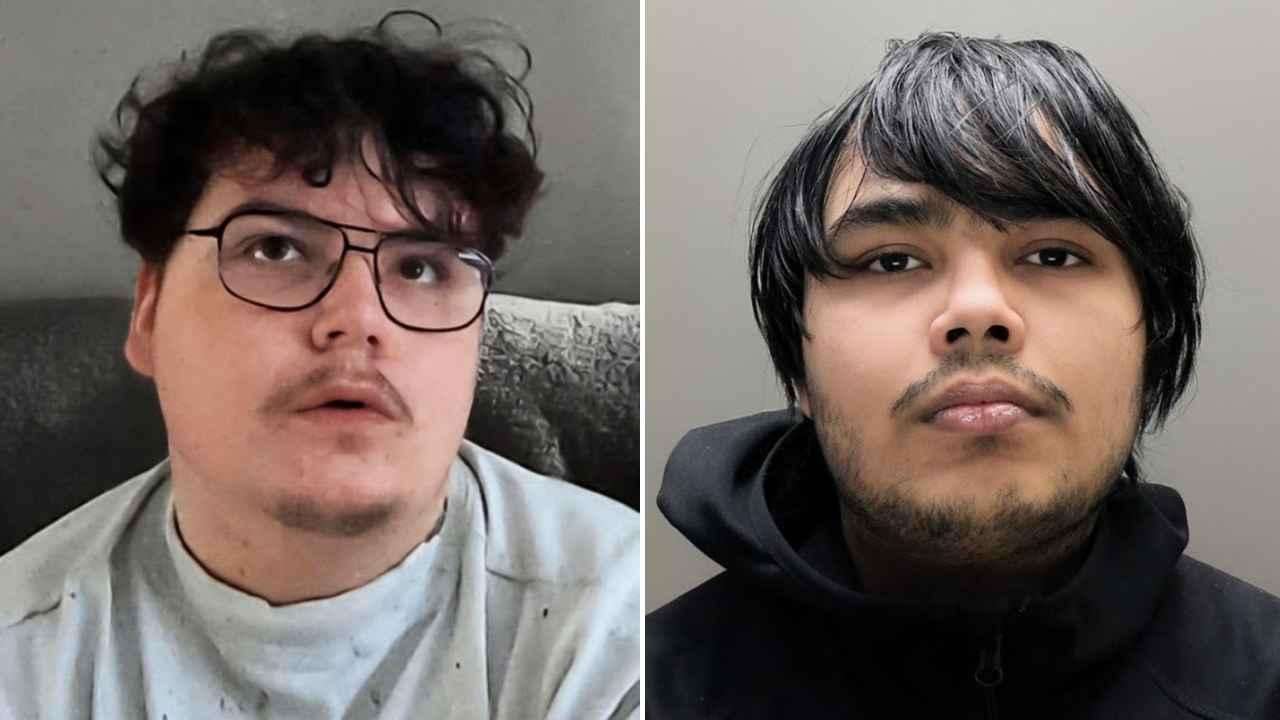
Inside sources have provided Daily Dazzling Dawn with a profound window into the parallel lives of British-Bangladeshi tech prodigy Thalha Jubair, 20, and his white British co-conspirator, 19-year-old Owen Flowers. On 16 July 2026, Mr Justice Turner sentenced both young men to five years and six months of imprisonment. The judge noted during the proceedings that their high-stakes virtual crime was ultimately driven by a sense of selfish bravado, completely heedless of the real-world havoc inflicted upon millions of ordinary commuters.
Is Kirandeep Kaur Murder A Hate Crime?
The multi-day intrusion against Transport for London, which occurred between late August and early September 2024, resulted in an unprecedented emergency response where TfL was forced to disconnect its systems to prevent what prosecutors called catastrophic damage. The attack ultimately cost the organization £29 million in direct damage and recovery costs, alongside an additional £10 million in lost revenue. During the height of the breach, Jubair and Flowers had secured the highest privileged administrative access—effectively holding the keys to the kingdom. In an extraordinary display of technical arrogance, Flowers recorded a live-streamed video of the ongoing intrusion, which Jubair then broadcast to their peers via Telegram while messaging about creating webs on the underground.
Beyond merely disrupting the transport network, investigators revealed that the pair actively scoured TfL's vast customer databases specifically looking for personal details of high-profile celebrities. The fallout from their virtual siege forced all 27,000 TfL employees to physically travel to corporate offices to reset their security credentials in person. It also disabled essential systems for vulnerable Londoners, including dial-a-ride booking systems, photocard applications for school children, and refund pipelines, leaving thousands out of pocket.
Before their virtual empire dissolved, the duo led deeply isolated lives that contrasted sharply with the scale of their global reach. Thalha Jubair operated from a modest, high-rise local authority flat in Bow, East London, sharing the crowded space with his parents. His Bangladeshi father, a local care worker, and his mother, who had left her job to act as her son’s full-time carer, watched in tears from the public gallery as the reality of their son's double life unfolded. Despite having 22 prior convictions as a teenager—including 13 counts of fraud—Jubair had managed to build an international reputation in the dark web community under the ironic online moniker "@autistic," referencing his diagnosed mental health condition.
When police raided the family’s East London flat, they uncovered an active, secret Bangladeshi passport concealed beneath the cushions of a living room sofa, suggesting a structured escape strategy to evade international prosecution. This find was coupled with a refusal by Jubair to hand over the passwords to encrypted digital wallets containing millions in cryptocurrency.
His co-conspirator, Owen Flowers, operated from a three-bedroom house in Walsall, West Midlands, where he lived with his grandmother and uncle. Flowers was already known to local law enforcement, having received a formal cease-and-desist notice regarding his online activities in late 2023. While Jubair focused on network infiltration, Flowers was highly active in online forums, spending most of his days gaming before transitioning into cyber extortion. When officers arrested Flowers at his West Midlands residence, they discovered he was in the active process of hacking into two major United States healthcare providers, SSM Health Care Corporation and Sutter Health.
The technical undoing of the two teenagers, who had previously bypassed sophisticated corporate security, came down to simple human routine. Investigators from the National Crime Agency and United States federal agencies successfully tracked the digital footprint of a food delivery order and gaming gift cards purchased with cryptocurrency. The specific digital wallet holding these funds was directly linked to the server infrastructure where ransom payments from global corporations had been deposited.
While the British legal proceedings have concluded with jail sentences, a much larger storm is gathering on the horizon. The United States Department of Justice has unsealed a comprehensive federal indictment against Jubair and his associates, alleging over 120 network intrusions targeting 47 American entities, yielding more than $115 million in extortion. US prosecutors have also alleged that Jubair's network successfully moved over $200 million in cryptocurrency through various accounts. The US government is expected to aggressively pursue his extradition once his UK sentence is served, where he could face a theoretical maximum of 95 years in a federal penitentiary.