


.jpg)


.svg)
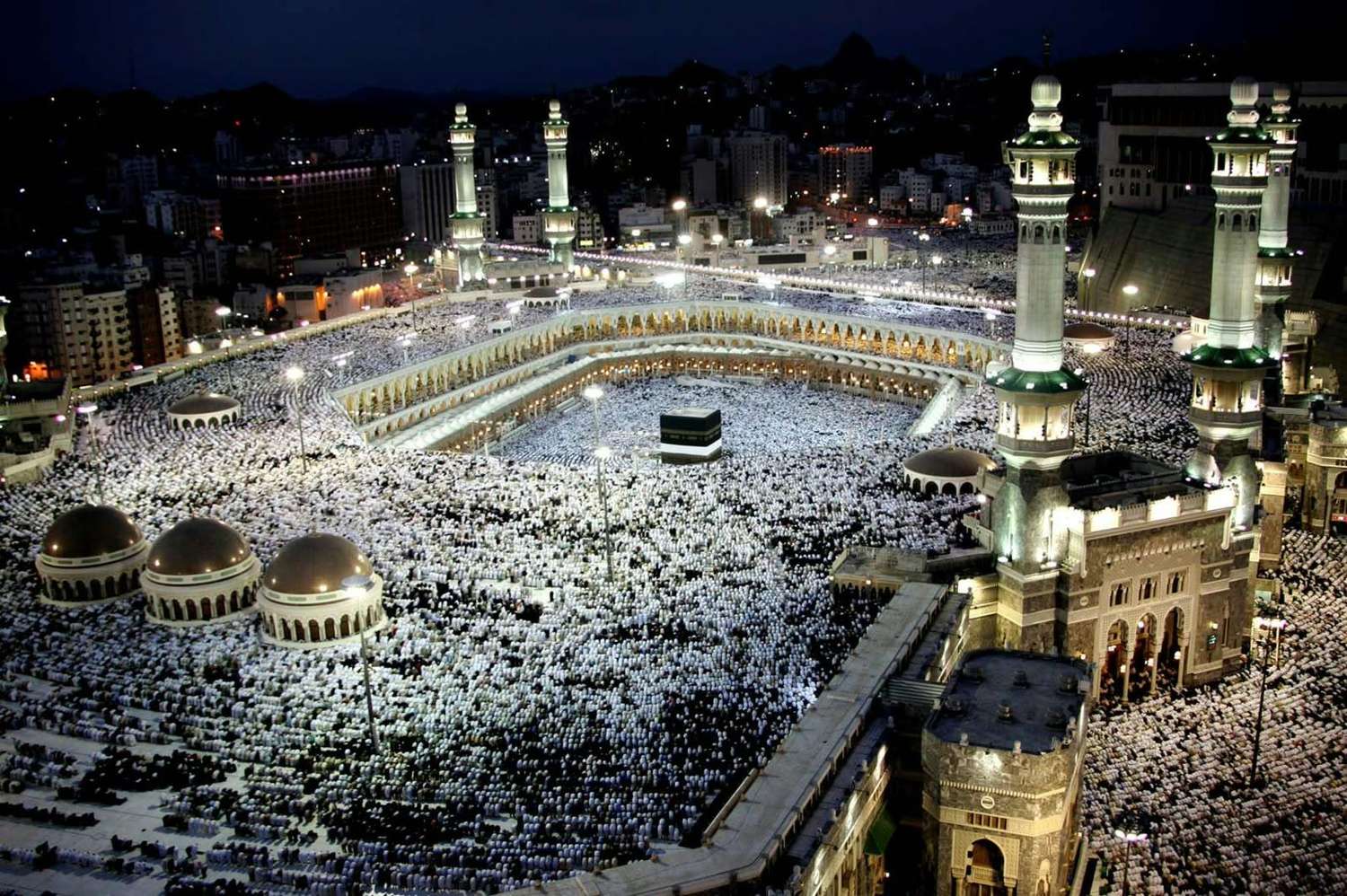
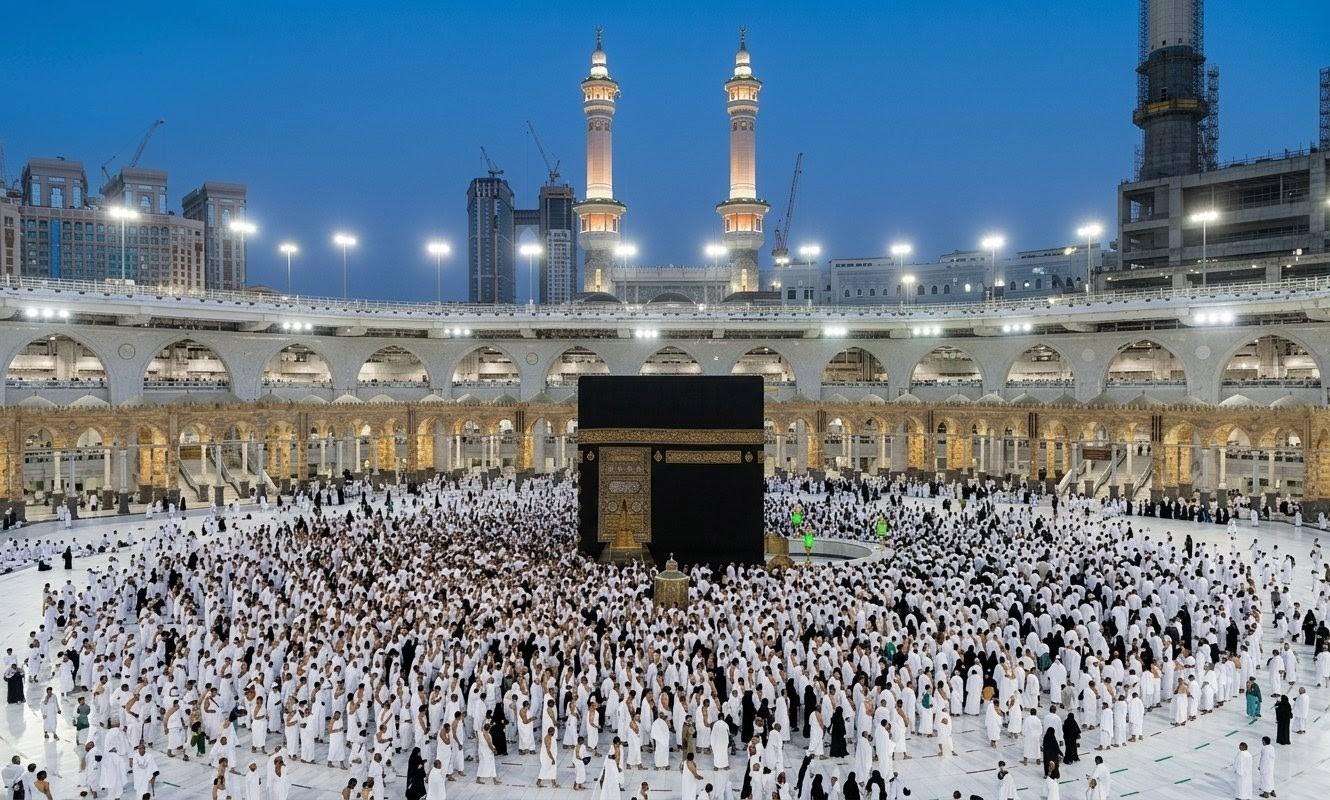
An unprecedented operational paradigm shift across Saudi Arabia’s border control systems has triggered an extraordinary influx of global religious travel, signaling a definitive evolution in how the state handles massive demographic movements. Official data analyzed by the Daily Dazzling Dawn reveals that total international arrivals for the Umrah pilgrimage scaled past 1.27 million individuals during the opening weeks of the new 1448H Islamic calendar year, a phase spanning from Dhul Hijjah 15 through to the final day of Muharram.
The statistics indicate a profound structural change in administrative throughput. Specifically, direct Umrah visa arrivals rose to 931,500 individuals, marking a precise 22.5 per cent year-on-year surge against historical baselines. Crucially, the mathematical variance between total arrivals and standard Umrah visas indicates that hundreds of thousands of worshipers are now utilizing alternative travel permissions, such as tourism and transit visas, to fulfill religious obligations. This regulatory integration marks a deliberate departure from the heavily compartmentalized bureaucracy of prior decades.
Logistics and Geographic Origins
Air transport remains the primary vector for the influx, with 75 per cent of all overseas pilgrims entering the Kingdom via major aviation hubs. The remaining quarter crossed through highly modernized land boundaries and maritime ports. Demographic telemetry highlights South Asia and Southeast Asia as the primary drivers of this initial wave. Pakistan occupied the top position among source countries, registering roughly 200,000 pilgrims. Indonesia followed closely with 170,000 arrivals, while Iraq contributed 130,000 to the early-season volume.
Senior administrative officials told journalists that the rapid scalability of the border apparatus reflects highly synchronized inter-agency coordination. By executing automated real-time tracking and fully shifting processing networks into cloud-based data centers, the state has largely circumvented the systemic bottlenecks that traditionally marred the commencement of the pilgrimage seasons.
The Vision 2030 Decoupling Strategy
The immediate expansion of pilgrim capacity serves as a tangible metric for the broader Saudi Vision 2030 framework, which explicitly mandates a capacity upgrade to accommodate 30 million Umrah performers annually by the turn of the decade. This strategy directly aims to diversify non-oil revenues through religious tourism. To prevent infrastructure fatigue in Makkah's core, planners are moving toward a highly decentralized model.
The current expansion relies heavily on temporal distribution, meaning the traditional concentration of pilgrims around seasonal peaks is intentionally being flattened into a year-round operational flow. Officials told journalists that the digital ecosystem, primarily managed through centralized visa processing, will continuously alter available entry slots dynamically based on real-time crowd density measurements in the Grand Mosque.
Emerging Transit Infrastructure
What occurs next will depend heavily on the rapid commissioning of expanded hospitality keys and the secondary transit systems connecting the holy cities to regional economic zones. Aviation networks are already prepping for a further expansion of charter flight permissions from high-volume corridors, while the Haramain High-Speed Railway is scaling daily trips to effectively utilize hotel inventories in Jeddah and Madinah as overflow basins for Makkah.
Furthermore, digital updates set to roll out in the coming months aim to integrate independent package customization, allowing international arrivals to manage their logistics without mandatory reliance on third-party agencies. This planned deregulation is expected to lower cost barriers significantly, ensuring that the double-digit growth trajectory observed at the start of this season will likely accelerate over the subsequent quarters.