

.jpg)


.svg)
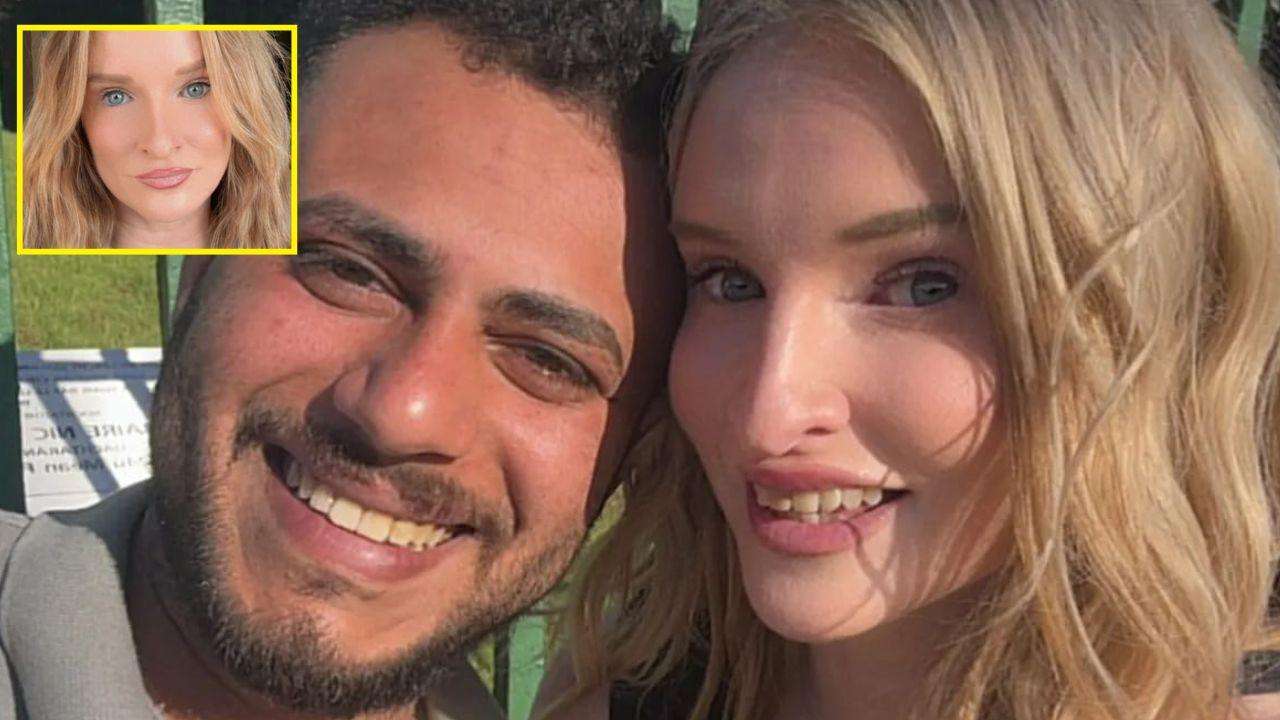
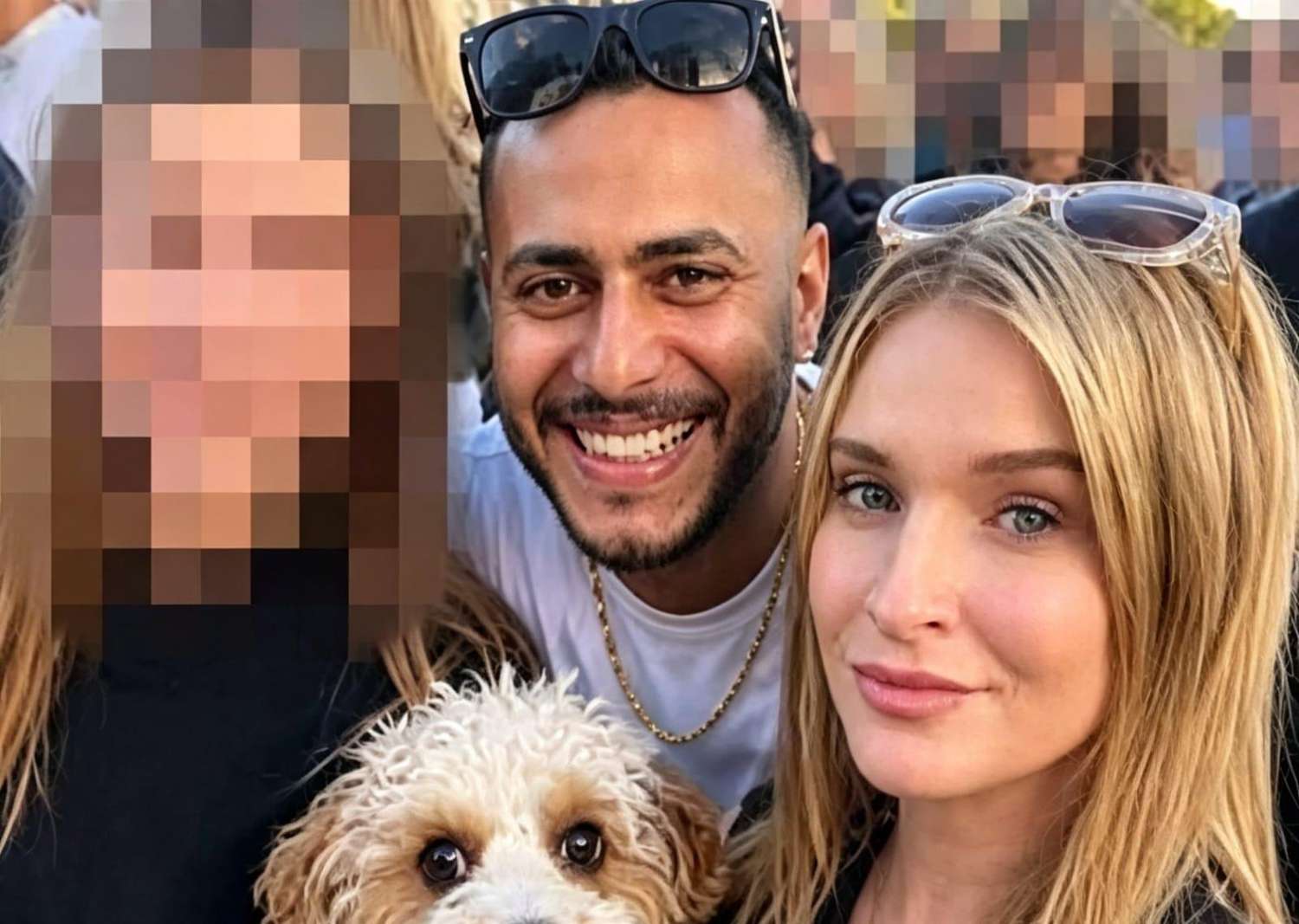
The international investigation into the tragic death of forty-three-year-old New York native Jamey Carney has reached a critical juncture. As the community of Killarney continues to mourn the mother discovered dead in her rented Muckross Road home, the legal spotlight shifts overseas. Twenty-eight-year-old asylum seeker Ahmad al-Saqar, Carney's boyfriend and the chief suspect in the case, remains in detention by the Public Security Directorate in Jordan. Having been ordered held for fifteen days at a correctional facility, al-Saqar is scheduled to appear before an Amman judge next week to determine the next steps in his detention while Jordanian officials are briefed on the ongoing Garda murder probe.
Irish detectives believe al-Saqar fled the country shortly after the fatal assault on July 7, travelling by bus to Dublin before using a recently returned passport to fly to Istanbul and onwards to Jordan. Because Ireland does not maintain an active extradition treaty with Jordan, Gardaí are working meticulously alongside Interpol and Europol to share vital forensic, witness, and surveillance files with their Middle Eastern counterparts to ensure the prosecution moves forward securely.
In the wake of the tragedy, the immediate priority for Carney’s loved ones has been the protection and long-term welfare of her thirteen-year-old daughter, Michaela. Following the heartbreaking discovery, Jamey's mother Kathy and sister Devon Bennett rushed from the United States to Killarney to wrap the teenager in a protective blanket of care.
Local questions regarding how the young girl is coping, where she is staying, and who will look after her permanently have been met with a unified response from her family. Relatives are collaborating directly with Killarney Gardaí and Irish social services to establish permanent guardianship arrangements that will allow Michaela to remain in County Kerry. Having relocated from New Jersey to Ireland in 2021, Michaela considers the local community her true home. To prevent further upheaval and shield her from sudden dislocation, a fundraising drive has been initiated by the family to cover mounting accommodation costs, legal fees, and the ongoing expenses required to sustain her life in Ireland.
Beyond the physical investigation, a secondary digital crisis has emerged on social media, drawing sharp condemnation from national advocacy groups and political leaders. Three days after Carney's body was found and the case was declared a murder investigation, a domestic abuse survivor posted anomymously on a community Facebook page for a large Irish town, highlighting the damaging nature of the public discourse.
"Hi, I was previously in a relationship where my partner was abusive… for a long time I didn’t tell anyone for many reasons, the biggest was what people would think of me and what people would say," the individual stated, clarifying that their past partner was entirely unrelated to the Carney case. The author explained they had become "very upset" by widespread online comments "blaming her for what happened," warning that "other victims could see those comments and not leave a dangerous situation because they might get such cold and callous comments and be treated with no empathy."
Over the last ten days, Jamey Carney’s personal Facebook and Instagram accounts were flooded with abusive and mocking messages from anonymous users targeting her relationship choices and her public political stances, including her advocacy for Palestine. Comments included highly toxic statements such as:
"Look at you now…"
"That attitude of yours was your undoing."
"‘My Mohammed is different,’ she thought; she was wrong. Her fight for social justice is over."
"It’s hard to sympathise because she did this to herself. She finally got the most authentic experience."
An analysis of twenty such abusive comments revealed they originated from unidentifiable accounts lacking real names or post histories. While Carney's Instagram has since been set to private—leaving over 2,400 comments locked beneath her final post—and her Facebook settings have been restricted to friends only, it remains unconfirmed whether this intervention came from Meta or grieving family members accessing her accounts. These harmful statements remained fully visible to the public for ten days.
Christine Lodge, Chief Executive of Safe Ireland—a national charity supporting survivors of domestic and gender-based violence—told a journalist that this aggressive online rhetoric creates a severe chilling effect.
"People who have been victims of domestic violence reading those comments will not only be retraumatised, but I really fear they’ll be deterred from making decisions to leave an abusive relationship for fear of this type of backlash; it could actually stop someone from fleeing to safety," Lodge told a journalist. She emphasized that anti-immigration rhetoric surrounding the case "distracts from what is at the core of the issue, which is that women continue to be killed at a significant rate in this country, most often by men that are known to them."
Lodge expressed complete agreement with Tánaiste Micheál Martin's statements during Leaders' Questions in the Dáil, where he labeled the online content "filthy" and asserted that social media enterprises have an "obligation" to actively police and remove abusive material.
While Meta stated that users should report hate speech and harassment via standard tools, Ireland's media regulator, Coimisiún na Meán, echoed that citizens should report harmful items directly to the hosting platform. A spokesperson told a journalist that if a platform fails to act, individuals "can contact Coimisiún na Meán for advice and support" or escalate the matter to their complaints team if a legal breach occurs.
Lodge criticized this reactive framework, explaining to a journalist that relying on standard reporting structures places an unfair, exhausting burden on grieving relatives "at an incredibly traumatic time." She pledged to actively champion a more proactive regulatory approach going forward. Members of the general public are reminded by authorities that explicitly unlawful online abuse can also be reported directly to An Garda Síochána.
As daily operations continue at the Killarney Garda station to finalize the evidential dossier for the Director of Public Prosecutions, international attention firmly turns to the Amman courtroom next week. The upcoming judicial hearing in Jordan will dictate whether Ahmad al-Saqar's detention is extended further under Jordanian law. Simultaneously, Carney’s family remains focused on their dual mission: pursuing accountability across borders and ensuring thirteen-year-old Michaela receives the peace, privacy, and permanent stability she requires in Ireland.