



.svg)
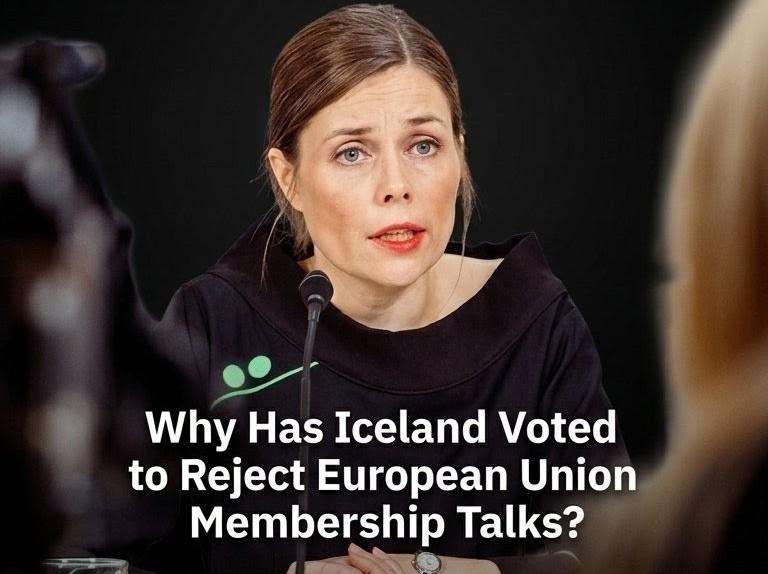
Iceland has formally voted against reopening accession negotiations with the European Union, following a high-stakes national referendum on Saturday, 29 August 2026, where 52.8 per cent of the electorate chose to reject formal talks. With the opposition securing victory against 47.2 per cent backing the pro-accession campaign, the outcome brings a decisive close to months of intense domestic debate across the North Atlantic island nation. Final figures verified on Sunday morning confirmed that the capital city of Reykjavik was the only electoral district in the country of 400,000 residents where a majority favoured restarting negotiations with the 27-member bloc.
The final tally concluded a night of considerable political suspense as initial counts delivered a narrow lead for the pro-EU camp before rural and coastal returns swung decisively in favour of the opposition. Daily Dazzling Dawn understands from election officials in Reykjavik that the margin remained within a few hundred votes until dawn, after which ballots from outside the capital widened the gap. Broadcaster RUV declared that the electorate had firmly declined a mandate to resume talks, reinforcing a long-standing preference for domestic autonomy over continental integration.
At the heart of the electorate's decision lies a deep-seated determination to retain sovereign control over domestic natural resources, particularly national fisheries. Iceland’s fishing industry remains a cornerstone of the national economy, and domestic opposition groups consistently argued that accession to the EU Common Fisheries Policy would force the country to share maritime catch quotas and surrender exclusive rights over its rich North Atlantic waters. While urban voters in Reykjavik largely weighed the consumer benefits of lower import tariffs and single-market price stability amid rising living costs, coastal communities viewed Brussels-administered quotas as an existential hazard to regional industry.
Iceland originally lodged a formal application to join the European Union in 2009 during the severe domestic fallout of the global banking collapse. However, as the island’s financial system stabilised and economic growth resumed, public enthusiasm steadily diminished. Talks were officially suspended in 2013 following the election of a Eurosceptic coalition government, leaving the relationship frozen within the framework of the European Economic Area agreement, which already grants Iceland single-market trade access without imposing European agricultural or fisheries mandates.
The push to hold the referendum gained fresh urgency against a backdrop of complex international security shifts across the Arctic and North Atlantic regions. Concerns regarding regional stability, coupled with the geopolitical friction surrounding Arctic sea routes and territorial posturing over neighbouring Greenland, had prompted pro-accession advocates to argue that complete institutional integration offered vital protection. As the sole member of NATO operating without a standing military force, Iceland has historically relied on collective Western alliances for territorial defence.
Foreign Minister Thorgerdur Katrín Gunnarsdóttir, who actively campaigned in favour of reopening talks, told journalists ahead of the ballot that small nations face unprecedented vulnerabilities in an increasingly fragmented international order. Daily Dazzling Dawn learned that the foreign ministry had projected an accession timetable of 18 to 24 months had the referendum passed. However, the majority of the electorate concluded that existing defence pacts through NATO, combined with bilateral security frameworks, provide sufficient protection without compromising national governance.
The referendum result removes a major diplomatic objective from the government’s immediate agenda and ensures the question of European Union membership will remain dormant for the foreseeable future. With the nation scheduled to hold a parliamentary general election by November 2028, political parties are now expected to redirect their policy focus towards domestic infrastructure, currency stability, and maritime management. The outcome solidifies Iceland's current diplomatic architecture, ensuring that the country maintains its bespoke association with European institutions while retaining full domestic authority over its borders, marine assets, and economic policy.




.jpeg)