
.svg)
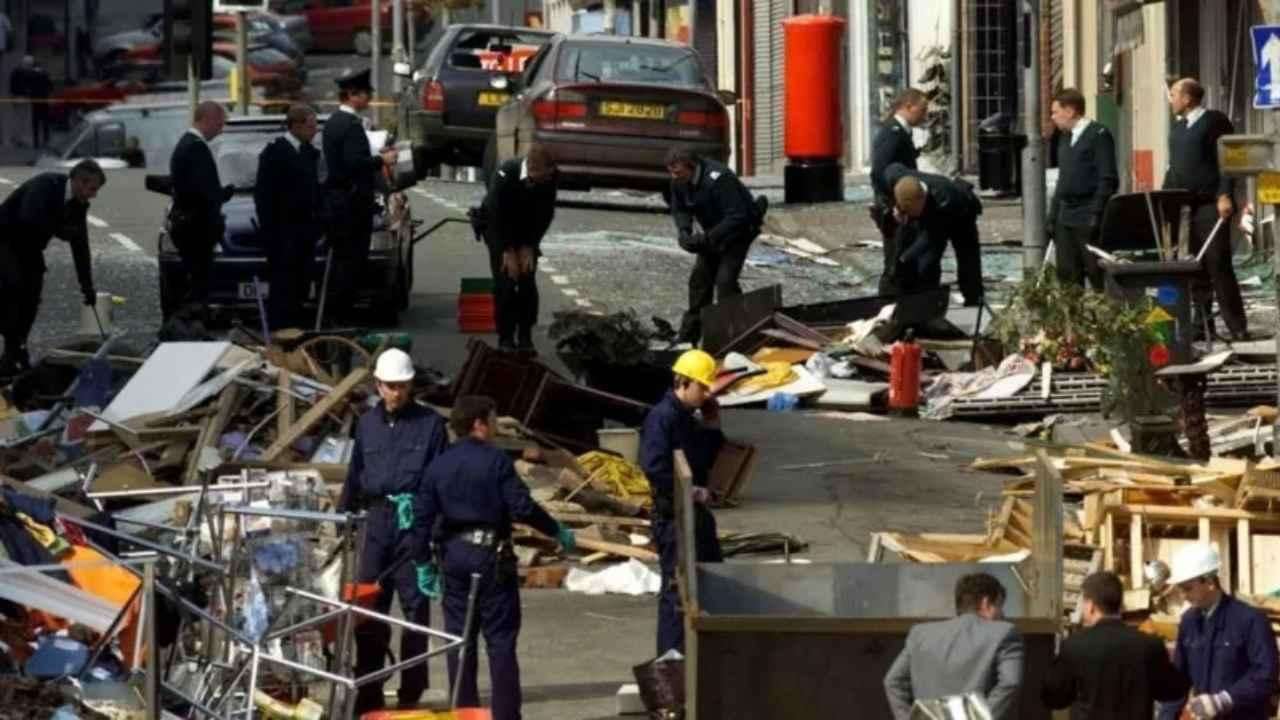
The next phase of the Omagh Bombing Inquiry begins on Monday, six months later than originally scheduled, with witnesses expected to provide evidence about the days surrounding the 1998 attack that killed 29 people and two unborn children in County Tyrone.
The statutory inquiry, chaired by Lord Turnbull, is examining whether the bombing could have been prevented by UK state authorities. The latest hearings are expected to focus closely on events immediately before and after the explosion, including how the bomb was prepared and transported and the information available to security and intelligence agencies at the time.
The inquiry's work comes more than 28 years after the Real IRA bombing devastated Omagh town centre on 15 August 1998. It remains one of the defining atrocities of the Troubles and occurred only months after the people of Northern Ireland voted overwhelmingly in favour of the Good Friday Agreement.
Among the witnesses expected to appear during the latest phase is a senior officer from An Garda Síochána, the police service of the Republic of Ireland.
Evidence is expected to address the theft of the vehicle later used in the bombing. The car was stolen in Carrickmacross, County Monaghan, two days before the explosion and was subsequently used to transport the bomb to Omagh.
The evidence forms part of the inquiry's wider examination of what happened before the attack and what information was available to authorities on both sides of the Irish border.
The current phase was originally expected to begin in March but was delayed. The inquiry has been dealing with a large volume of material, including evidence and documents originating in the Republic of Ireland.
Official inquiry documents published during 2026 show that significant work has continued on disclosure, document handling and arrangements involving sensitive material.
The Omagh Bombing Inquiry was established by the UK Government in response to findings by the Northern Ireland High Court.
The High Court identified four areas that gave rise to plausible arguments that the bombing might have been prevented. These concern the handling and sharing of intelligence, the use of mobile-phone analysis, whether authorities had advance knowledge or reasonable means of knowing about the bomb, and whether disruption operations could or should have been mounted.
The UK Government established the inquiry under the Inquiries Act 2005, giving it powers to require documents and summon witnesses to give evidence under oath.
The government published the inquiry's formal terms of reference in February 2024. They are focused specifically on the four areas identified by the High Court rather than reopening every aspect of the original investigation.
Daily Dazzling Dawn understands that the inquiry's purpose is therefore not to conduct a criminal prosecution, but to establish whether relevant state authorities could reasonably have taken steps that might have prevented the attack.
The inquiry's first phase heard personal accounts from people who lost relatives or were injured in the bombing.
Subsequent evidence has included testimony from police officers, Northern Ireland's Police Ombudsman and former Royal Ulster Constabulary Chief Constable Sir Ronnie Flanagan.
The inquiry is expected to continue examining evidence from policing, intelligence and security agencies as it works through the circumstances surrounding the attack.
The government has previously said the investigation must balance public scrutiny with the protection of sensitive national-security information. Its final report is expected to address each of the issues identified by the High Court.
The Real IRA claimed responsibility for the bombing three days after the attack. However, no person has been convicted in a criminal court for carrying out the murders.
In 2009, a civil court found Michael McKevitt, Liam Campbell, Colm Murphy and Seamus Daly liable for the Omagh bombing. The four men were ordered to pay damages to relatives of victims.
Those civil findings are separate from criminal convictions and do not determine the outcome of the present statutory inquiry.
The UK Government has previously stated that the inquiry does not overturn the established findings concerning responsibility for the attack. Instead, its specific purpose is to examine whether the bombing could have been prevented and whether failures by state authorities contributed to that possibility.
The latest phase of hearings is expected to continue for around four weeks, with further witnesses due to give evidence about the circumstances surrounding the bombing.
The inquiry comes at a significant point in the long-running search for answers by families of those killed and injured.
For those affected by the Omagh bombing, the proceedings represent another stage in an investigation that has continued across decades. The central question remains whether information available to UK state authorities before 15 August 1998 could, with reasonable action, have prevented the attack.
As the hearings resume, evidence from witnesses and documentary material will be considered by Lord Turnbull before the inquiry reaches its final conclusions.