






.svg)
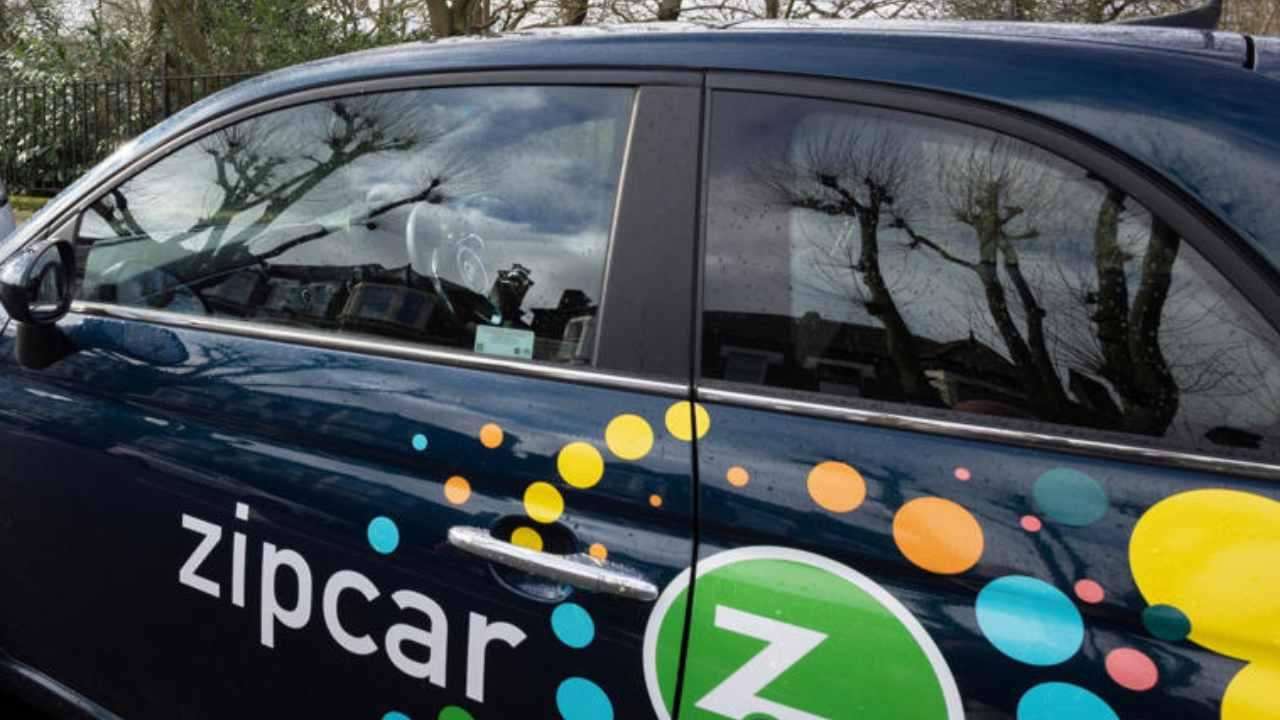
The era of on-demand urban mobility in the United Kingdom has hit a decisive roadblock as Zipcar, the world’s largest car-sharing platform, prepares to dismantle its British operations. While the company publicly announced the suspension of new bookings after December 31 pending a consultation on staff redundancies, the move signals a much deeper crisis within the shared transport sector. The retreat is not simply a matter of corporate restructuring by parent company Avis Budget Group, but the result of a "perfect storm" of widening financial losses, high operational overheads, and a shifting regulatory landscape in London that has turned the capital’s streets into a financial liability for fleet operators.
The catalyst for this abrupt departure appears to be the convergence of chronic unprofitability with impending changes to London’s transport policy. Zipcar UK reported a staggering £11.7 million loss for 2024, a figure that underscored the difficulty of maintaining a "free-floating" fleet model where vehicles can be dropped off in various resident bays across the city. This model, while popular with users for its flexibility, incurs massive logistical costs regarding maintenance, cleaning, and vehicle redistribution. However, industry observers point to the removal of the Congestion Charge exemption for electric vehicles (EVs) as the final nail in the coffin.
From January, the Greener Vehicle Discount, which effectively shielded electric car clubs from London’s daily fees, is set to be scrapped. This policy shift means that fleet operators like Zipcar would face a daily charge of up to £18 for every vehicle entering the zone, with the exception of a small minority of cars stationed in permanent bases. For a company managing nearly 3,000 vehicles—the majority of the UK’s 5,300 shared cars—this regulatory change represents a projected annual cost increase of over £1 million. Faced with the choice of absorbing these costs or passing them onto consumers in an already inflation-weary market, Avis Budget Group has opted to cut its losses.
The decision has ignited a fierce debate regarding the government's commitment to sustainable transport. While car-sharing is frequently touted as a green alternative that reduces private vehicle ownership and manufacturing emissions, industry leaders argue that policy support has failed to match the rhetoric. Richard Dilks, chief executive of the shared transport charity CoMoUK, described the closure as a symptom of a failure to cultivate a supportive policy environment. Data suggests the UK is severely lagging behind its continental neighbors, boasting only 0.7 shared cars per 10,000 people, compared to 2.2 in Germany and 4.4 in Switzerland. The exit of a market leader like Zipcar is expected to force thousands of the charity's 328,000 recorded users back toward private car ownership, paradoxically undermining London's net-zero goals.
A spokesperson for Mayor Sadiq Khan defended the city's strategy, noting that electric car clubs with dedicated parking bays within the zone would still receive a 100% discount. However, this concession does little to save the flexible, one-way rental model that Zipcar pioneered and which many Londoners relied upon. The rigid requirement for dedicated bays fundamentally alters the convenience proposition that allowed the service to thrive during the pandemic years.
This retreat is part of a broader, aggressive transformation strategy by the US-based Avis Budget Group. Following a quiet downgrade of Zipcar’s valuation earlier this year amid declining revenues, the parent company is pivoting toward streamlining operations to improve long-term returns. An Avis spokesperson confirmed that the proposal to cease UK operations is a deliberate step to position the company for sustainability, leaving the UK market as a casualty of global corporate consolidation.
For the 71 UK staff members now facing redundancy consultations, and the thousands of Londoners who integrated shared mobility into their daily lives, the closure marks the end of a significant chapter. Existing bookings will be honored through the holiday period, but as the new year approaches, the streets of London will have fewer shared options, raising critical questions about the viability of the gig economy model in an era of tightening urban regulation and soaring operational costs.