


.svg)
Scotland Halts Assisted Dying Legislation as Conscience and Coercion Fears Prevail- In a historic and emotionally charged evening at Holyrood, Scotland has decisively rejected the bid to become the first UK nation to legalise assisted dying. The final vote, tallied at 69 against to 57 in favor (with one abstention), marks the end of a multi-year legislative journey for Liberal Democrat MSP Liam McArthur’s member’s bill. Despite passing an initial stage last year, the bill buckled under the weight of more than 300 amendments and a shifting tide of parliamentary opinion centered on the "unworkability" of medical safeguards, Daily Dazzling Dawn understand.
The collapse of the bill was fueled by a significant number of MSPs who previously supported the "principle" of the legislation but withdrew their backing during the final Stage 3 debate. Lawmakers cited a "Pandora's Box" of risks, specifically pointing to the removal of institutional opt-outs which would have forced faith-based hospices and care homes to facilitate the practice or face closure.
UK Retail Sales Bounce Back Unexpectedly
The Power of the Faith Vote: Why Muslims and Minority Groups Led the Opposition- A critical factor in the bill’s defeat was the overwhelming and unified opposition from the British Muslim community and disability advocacy groups. Recent data from the Muslim Council of Britain (MCB) revealed that 70% of British Muslims were less likely to vote for an MP or MSP who supported assisted suicide. This sentiment is rooted in both deep-seated theological principles and practical fears regarding the healthcare system.
Sanctity of Life: Islamic scholarship remains unanimous that life is a divine trust. Data from the British Islamic Medical Association (BIMA) showed that 95% of Muslim healthcare professionals opposed the bill, viewing the intentional ending of life as a violation of the "First Do No Harm" ethics.
The "Duty to Die" Fear: A staggering 65% of surveyed Muslims expressed concern that legalisation would transition from a "right to die" to a "pressure to die" for the elderly and vulnerable, who might feel they are a financial or emotional burden on their families.
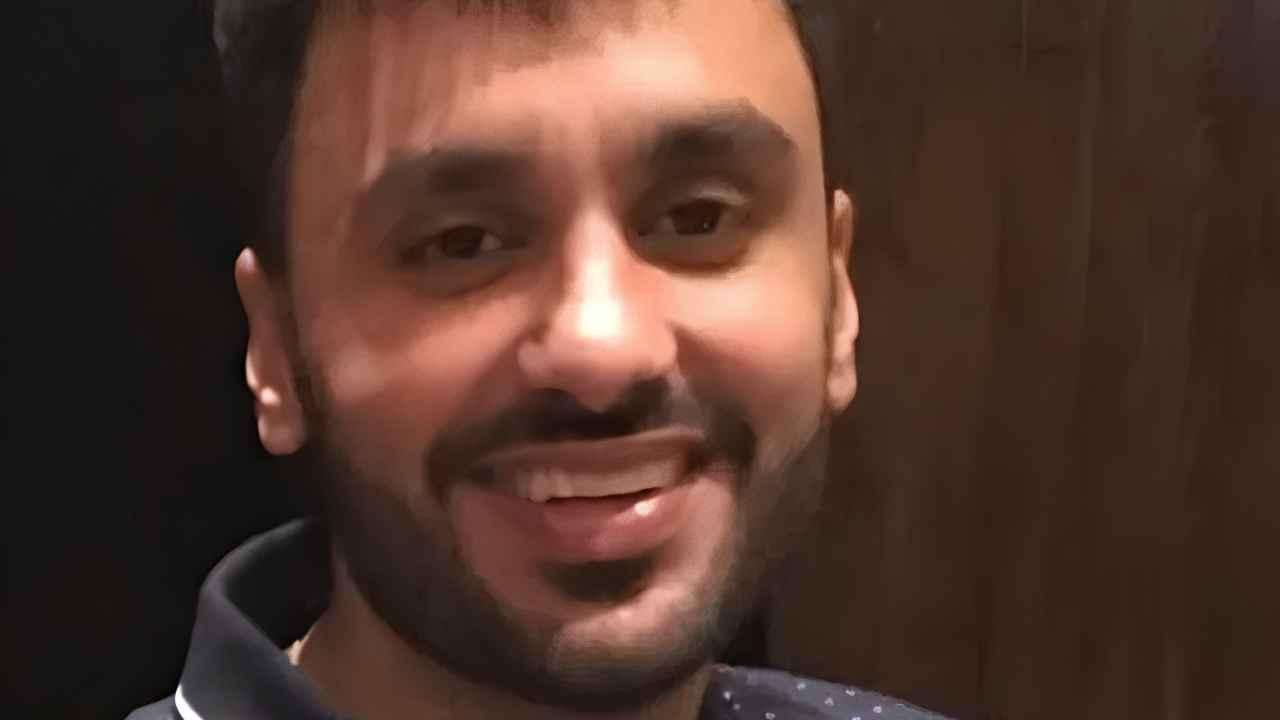
Scottish Sikh Activist Jagtar Singh Johal Granted Bail After Almost Nine Years in Indian Custody
Systemic Trust: There is a documented "trust gap" in minority communities regarding the NHS. Groups like "Not Dead Yet" joined religious leaders in arguing that in a period of "creaking" palliative care funding, assisted dying could become a "cheaper alternative" to complex end-of-life treatment.
Critical Gaps and Failed Safeguards: What Went Wrong- While the bill’s proposer, Liam McArthur, argued the legislation was the "most safeguarded in the world," several last-minute changes alienated key stakeholders. The Royal Pharmaceutical Society (RPS) withdrew support after protections for pharmacists to conscientiously object were deemed insufficient. Furthermore, the rejection of an amendment that would have prevented doctors from raising the topic of assisted dying unprompted with patients was seen by many as a "dismantling of medical tradition."
Palliative care advocates pointed to a "disturbing" lack of funding, arguing that true "choice" at the end of life cannot exist until high-quality hospice care is universally accessible. Currently, an estimated 60,000 people die in Scotland annually, yet thousands still lack access to specialist end-of-life support.
What Happens Next: The UK-Wide Ripple Effect- The failure of the Scottish bill is expected to have an immediate and "mortal" impact on the Westminster version of the legislation currently stalled in the House of Lords. With Scotland—often seen as the testing ground for social reform—rejecting the move, momentum in London is rapidly fading.
The focus in Holyrood now shifts toward an independent review of palliative care. Opponents and supporters alike have called for a "new conversation" centered on investing in hospice services rather than legislative pathways to death. While the issue may return in future parliamentary sessions, legal experts suggest the "assisted dying" chapter is effectively closed in Scotland for the current generation.


.jpg)
.jpg)