





.svg)
A profound and uneasy synergy is unfolding on the global stage, linking the deepest spiritual devotion of millions of Muslims to the glitz and financial gravity of Western entertainment. Saudi Arabia’s massive, multi-billion-dollar push into Hollywood—visible this week at the high-profile Red Sea Film Festival—is being indirectly underwritten by one of the world's most consistent and significant non-oil revenue streams: the holy pilgrimages of Hajj and Umrah.
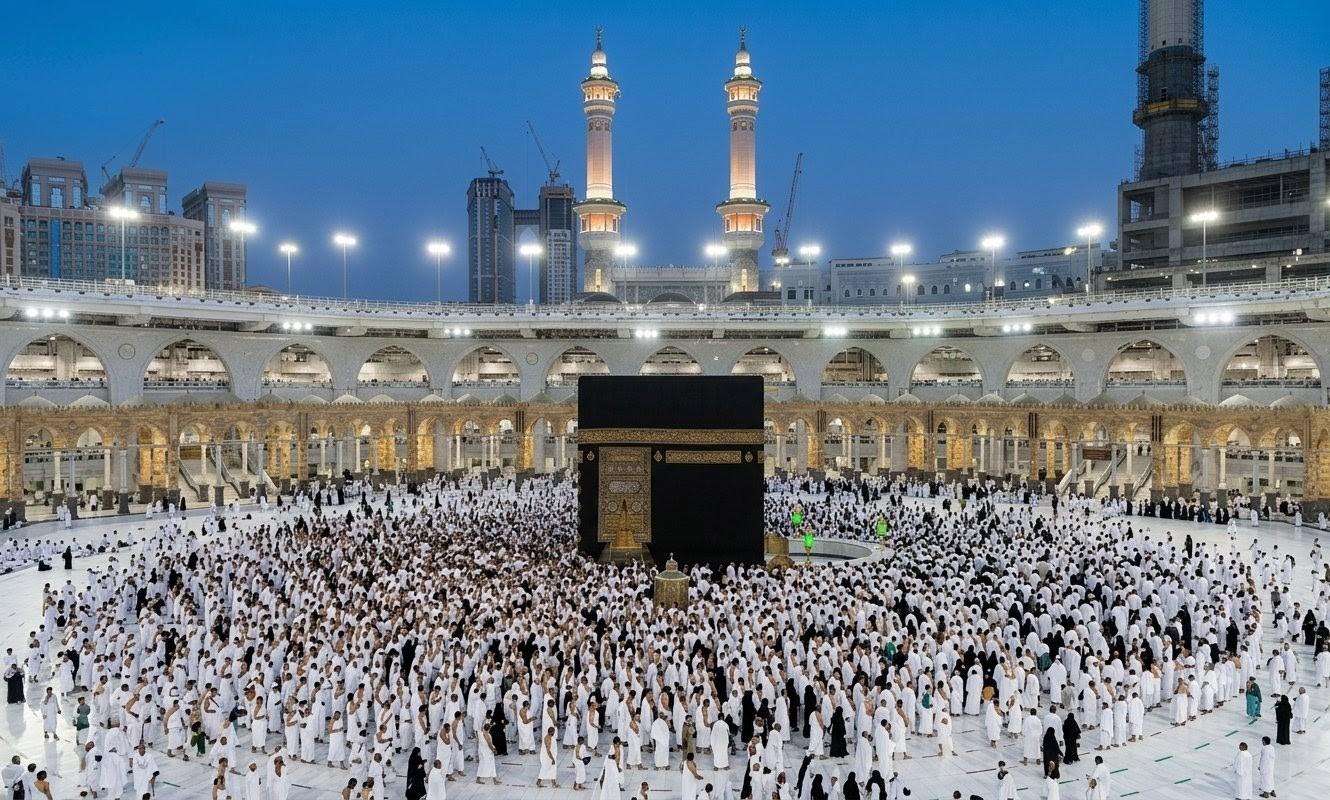
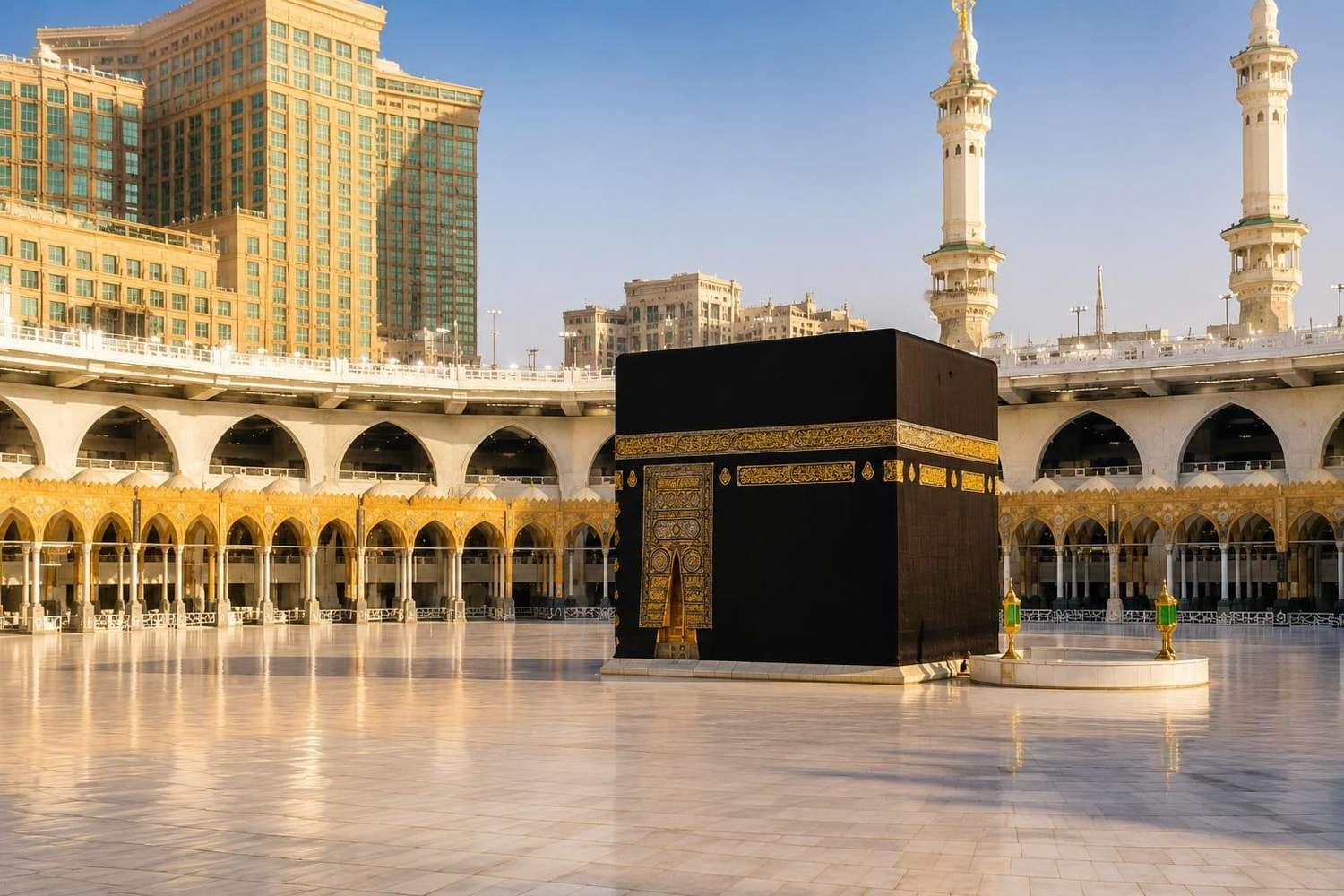
The economic engine of religious tourism, centered on the holy cities of Mecca and Medina, generates an estimated $12 to $18 billion annually for the Saudi economy. This immense, stable flow of wealth from pilgrims worldwide—derived from visas, accommodation, transport, and local spending—is officially recognized as the second-largest source of government revenue after hydrocarbons. While pilgrimage funds are directly spent on expansion, infrastructure, and services for the millions of 'Guests of Allah,' the scale of this revenue makes it a fundamental and fungible pillar of the Saudi state budget. This, in turn, frees up other state capital, like the Public Investment Fund (PIF), to aggressively pursue Crown Prince Mohammed bin Salman’s ambitious Vision 2030, a centerpiece of which is diversifying the economy through 'soft power' initiatives like film and media.
The Pilgrimage-to-Picture Pipeline
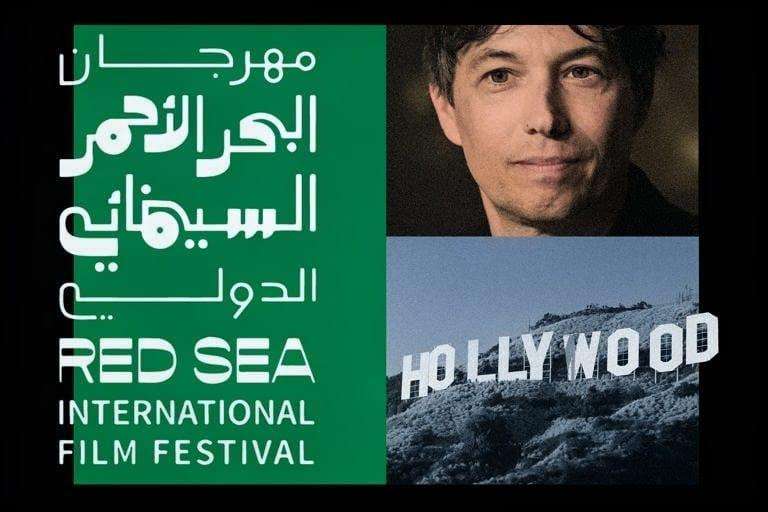
The Red Sea Film Festival in Jeddah, presided over this year by Oscar-winning director Sean Baker, is the cultural epicenter of this strategic spending. The event, financed by the Saudi government, is a visible testament to the kingdom's intent to become a major player in global entertainment. Industry insiders report that top-tier talent, including the celebrated actors and directors like Riz Ahmed, Ana de Armas, and Dakota Johnson who grace the festival’s lineup, receive significant—and sometimes multi-million-dollar—checks for their attendance and participation.
Read Also: Santa in the Holy Land: Will Saudi’s 2025 Christmas Celebrations Shock Umrah Pilgrims?
This is not a direct wire transfer from Hajj visa fees to an actor's bank account, but rather a strategic reallocation of state resources. The colossal revenue from religious tourism provides significant budgetary relief, allowing the PIF and other state-backed entities to underwrite deals that are reshaping the entertainment landscape, from potential multibillion-dollar media mergers—such as Paramount Skydance’s reported bid for Warner Bros Discovery—to backing new studios like Arena SNK.
An Uneasy Confluence
For the Hollywood elite—executives, studios, and star talent—the influx of Saudi capital is both a desperately needed lifeline in a post-pandemic, post-strike, and financially constricted industry, and a deeply sensitive subject. While legal experts confirm that "money is good" from an industry perspective, the relationship is fraught with controversy.
Saudi Arabia’s human rights record, particularly the murder of journalist Jamal Khashoggi, has cast a long shadow, leading many Hollywood figures to refuse to comment publicly on their engagements with the kingdom. The reluctance of actors with films screening at the festival, such as Angelina Jolie, Pierce Brosnan, and Jude Law, to attend highlights the moral tightrope the industry is walking.
Critics, including international human rights organizations, accuse the kingdom of 'soft-power washing'—using sports, gaming, and now film to improve its global image and distract from domestic repression. However, proponents within the kingdom and its partners argue the spending is crucial for national development, job creation, and fostering a homegrown film industry, fulfilling a key objective of Vision 2030 to turn Saudi Arabia into a global tourism and investment powerhouse.
The uncomfortable truth is that the wealth accumulated from the sacred savings of pilgrims across the Muslim world is indirectly providing the financial muscle behind Saudi Arabia’s most ambitious cultural and geopolitical gambits, firmly intertwining faith, finance, and the future of film. The lure of this massive, religiously-derived capital is proving to be a force too significant for an economically vulnerable Hollywood to ignore, even as the ethical questions remain sharp and unresolved.