




.svg)
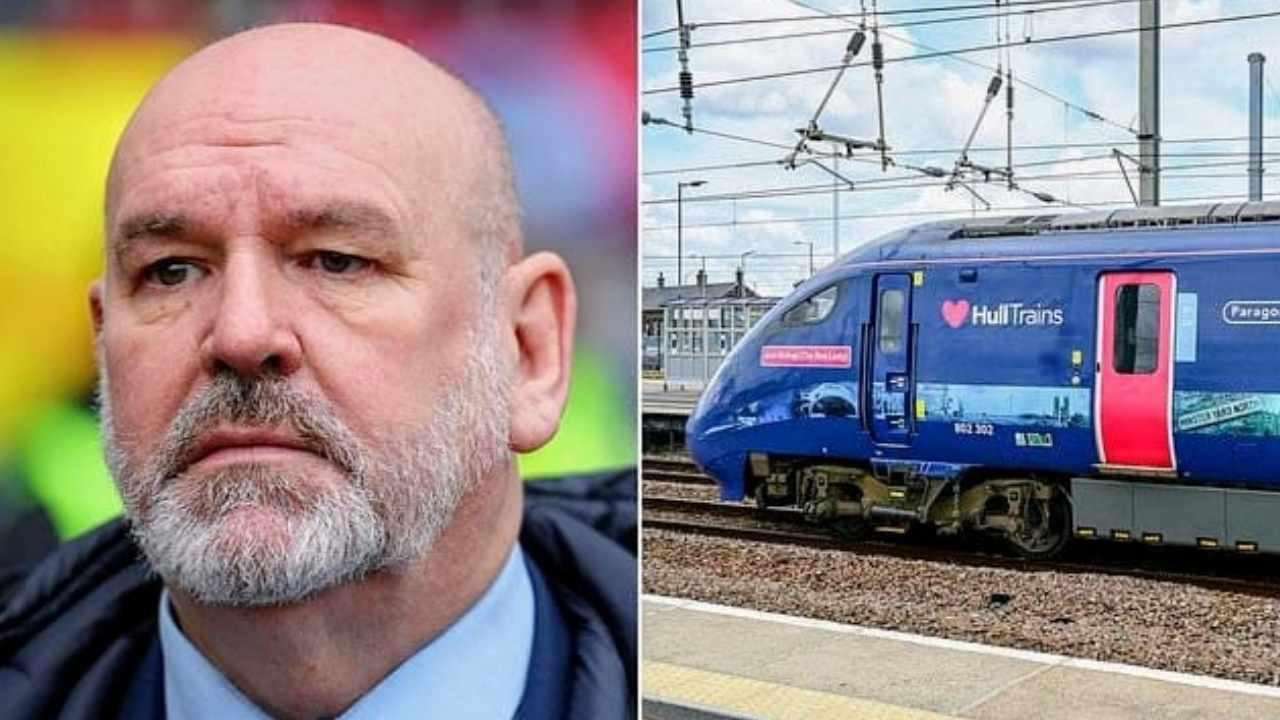
A fresh wave of industrial action has gripped Hull Trains, thrusting the critical issue of driver fatigue and passenger safety into the national spotlight. The train operator’s services face a new 48-hour shutdown as members of the Aslef union escalate a months-long dispute over the sacking of a colleague who reportedly fell asleep on multiple occasions while operating a 125mph passenger service. This latest walkout is not merely a labor dispute; it represents a profound conflict over accountability, due process, and the non-negotiable standards of public safety on Britain's railways.
The Safety Breach That Triggered the Strike
The unnamed driver's dismissal hinges on a staggering safety breach: claims that he fell asleep at the controls of a high-speed passenger train, an action that carries catastrophic risk. The driver had previously raised what he termed 'fatigue matters' at a safety meeting. Crucially, the company maintains that the driver was sacked not for the fatigue itself, but for a failure to adhere to strict internal reporting measures, especially given a backdrop of previous, similar issues where he had already received support and guidance.
A revealing letter sent to all drivers by Hull Trains earlier in the year explained the uncompromising position: "The disclosures made by this driver, especially against a backdrop of previous similar issues where full support and feedback was given, presented us with a safety risk that we could not ignore." The company concluded that it could no longer be confident that the individual could be trusted to "properly report safety matters in a safe and appropriate way."
Despite this, the Aslef union has aggressively backed the former employee, with outgoing General Secretary Mick Whelan stating that the driver was dismissed "without proper due process, for doing nothing wrong," and emphasizing the driver’s "completely clean safety record" prior to the incident.
Critique: A Union’s Flawed Defence vs. Public Risk
The union’s defense of the sacked driver has drawn fierce criticism from the public and raised serious ethical questions about where a union's duty of care truly lies.
Mr Robert M commented sharply on the apparent conflict: "This tells you so much about the Union, they back a driver who put passengers at risk. Falling asleep at the control is serious misconduct and subject to instant dismissal. The Union does not give a figgy pudding for the public."
The core criticism levelled at Aslef is that by backing a driver whose actions demonstrably compromised public safety, the union appears to be prioritizing an individual’s employment over the collective welfare of thousands of daily commuters. This stance seems to directly contradict the very foundation of arguments often made for train drivers’ high wages, as highlighted by Mr Ade Michaels: "When the train drivers were putting a case for a pay rise, one of the points made was the responsibillity they had for passenger safety, which appears to have been compromised in this case."
Michaels also pointedly raised the crucial, unaddressed questions that remain for Hull Trains management: "If however, as the report suggests they had flagged instances of fatigue, offering support, the questions must be, why was this driver allowed to continue driving? Was a medical assessment carried out and were the findings of this considered by Hull trains? Is fatigue a commonplace occurence and what measures are Hull trains taking to ensure the safety of passengers?"
These questions shift the critique from the driver’s individual failure to the institutional safety net that failed to prevent a repeat offense. If a driver repeatedly raises fatigue concerns, the operator bears a responsibility to intervene decisively, potentially through mandatory medical assessments or temporary roster changes, rather than waiting for an incident that forces a dismissal.
Updated Strike Information and Current Status
The strike, which commenced today, is a 48-hour walkout by Aslef members on Hull Trains. The action follows an earlier eight-week period of industrial action in March, and the union remains resolute.
Nigel Roebuck, Aslef's organiser in the north east of England, confirmed the ongoing stalemate: "Yet again our members at Hull Trains are back out on the picket lines in this lengthy dispute with the company... finally we have had a series of informal talks to try and find a resolution but, once again, we find ourselves in a stalemate."
In a statement addressing the industrial action, a Hull Trains spokesperson maintained that the company has been able to operate a full timetable for a number of months and is committed to supporting its customers. They also stated they "have recently made an offer following constructive talks with Aslef to bring this matter to a close."
However, with the company insisting the dismissal was a non-negotiable safety matter, and the union demanding the driver's reinstatement due to alleged procedural failings, a resolution remains distant. The dispute continues to highlight the precarious balance between a driver's right to due process and the absolute necessity of passenger protection on the rail network.



.jpg)