

.svg)
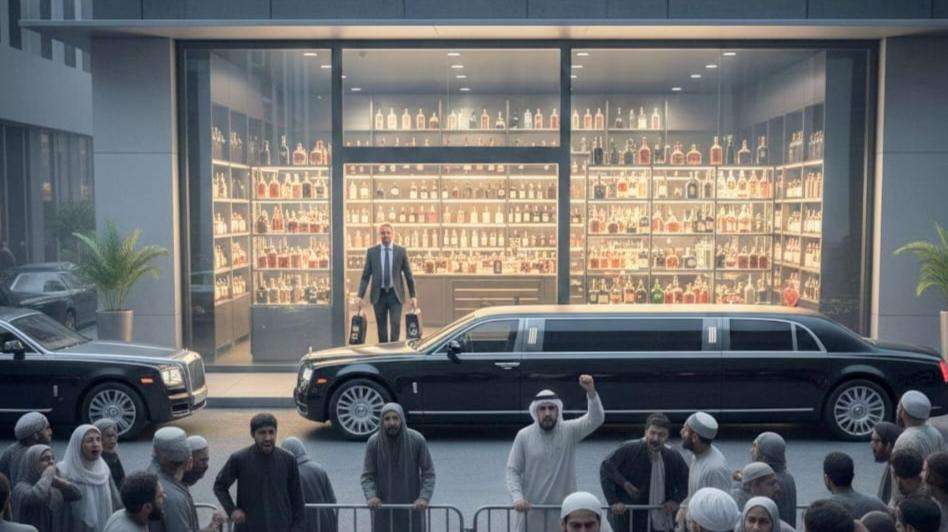
The core claim that Saudi Arabia is now selling alcohol is confirmed as accurate, although with crucial caveats. The initial reports detailing that an unmarked store in Riyadh, historically restricted to diplomats, has expanded sales to a select group of non-Muslim foreigners are corroborated by multiple independent customer accounts. This new policy is not a general repeal of the decades-long prohibition but is specifically targeted at individuals holding the expensive "premium residency" permit. This limited status is typically granted to the highly affluent or those employed in strategic sectors or by government-owned entities, essentially creating an elite, localized exception to the prohibition.
Read Also: Hajj & Hollywood: Saudi's $18 Billion Pilgrimage Revenue Underwrites Global Film Push
The majority of the population, including the vast Muslim community and regular foreign workers, remain subject to the strict alcohol ban, which has been in place for over 70 years. The Saudi government's characteristic use of silence and ambiguity in implementing such sensitive social policy changes remains consistent in this instance.
A Profound Disrespect: Alcohol Sales Infuriate Millions of Hajj and Umrah Pilgrims
The decision by the Saudi Arabian government to authorize the sale of alcohol, even under highly controlled and selective conditions, is triggering a monumental wave of anger and sorrow across the global Muslim community. This policy is viewed not merely as a modern social reform, but as a direct and unforgivable act of disrespect to the sacred tenets of Islam—a faith where alcohol is explicitly declared Haram (forbidden).
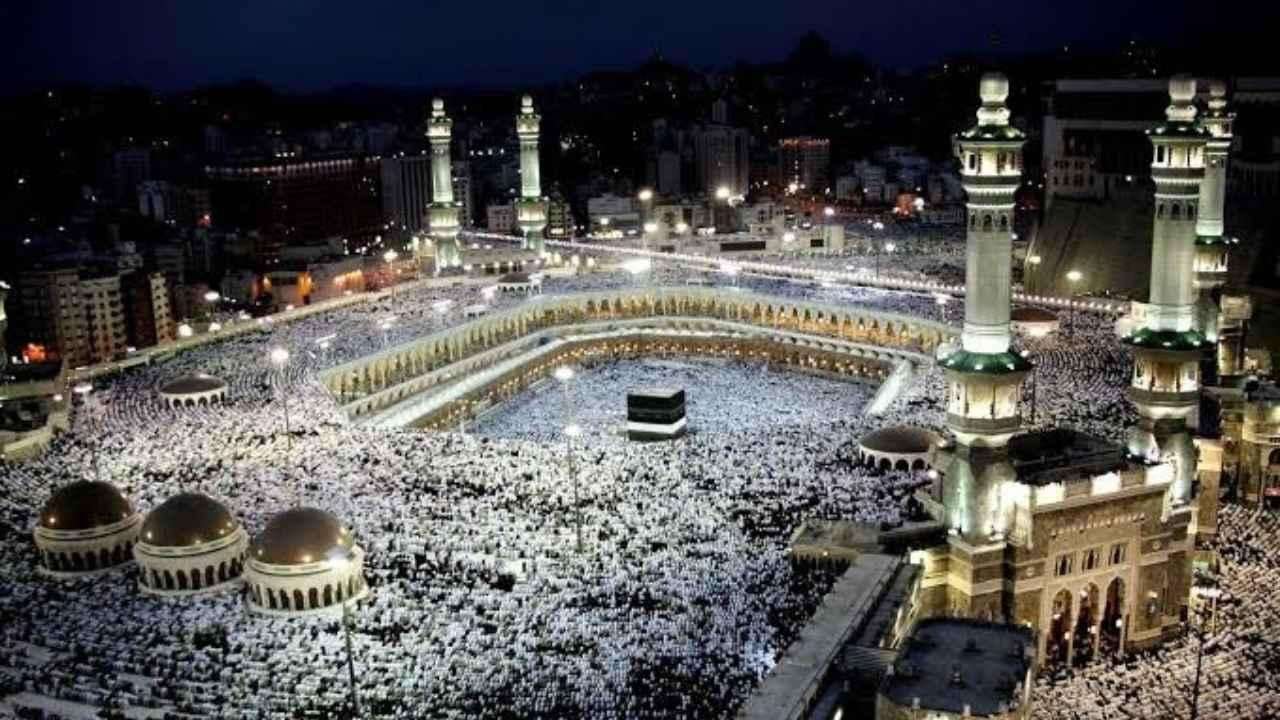
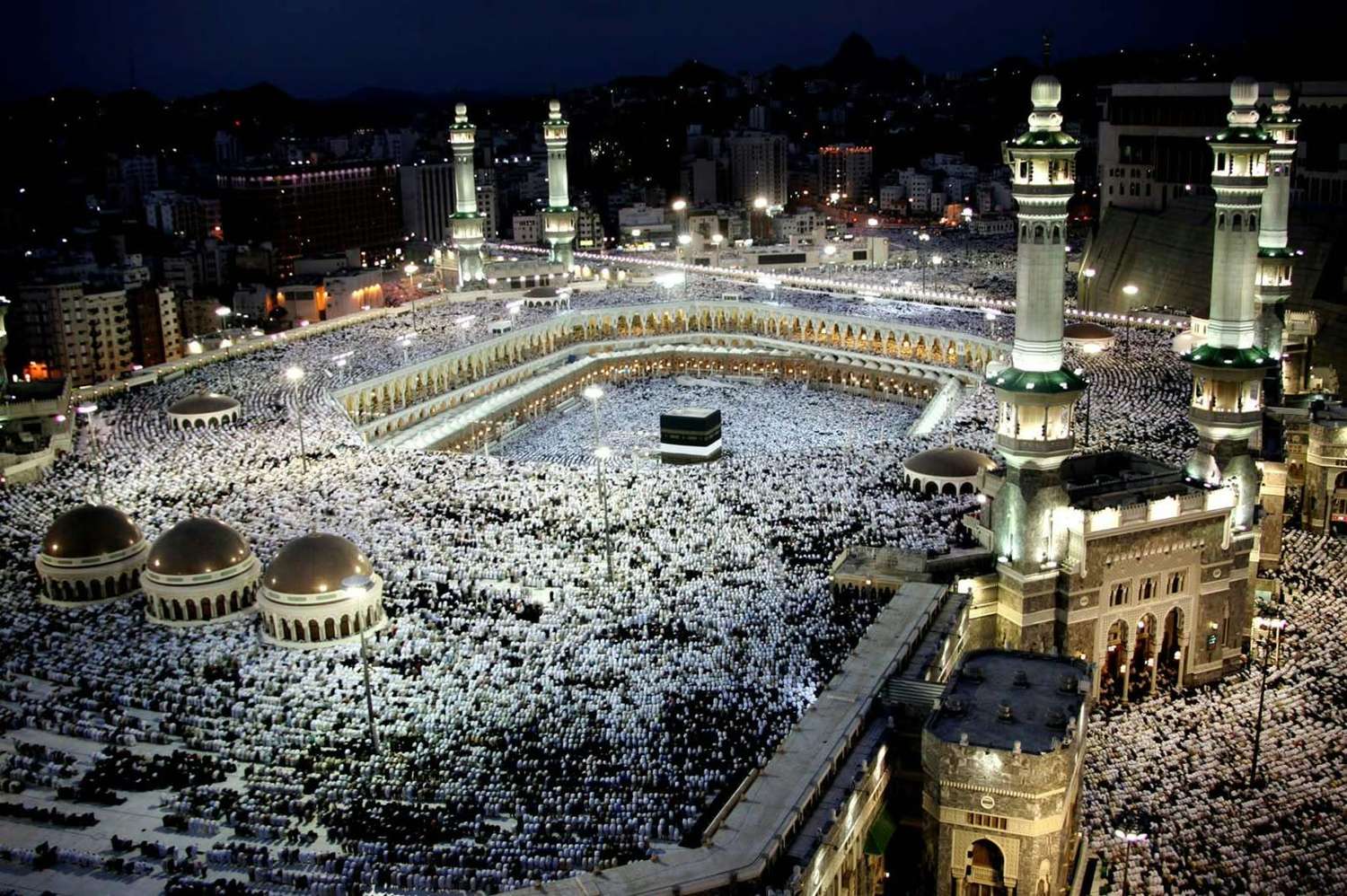
This controversy takes on an intensely spiritual dimension due to the Kingdom’s unique and paramount role as the Custodian of the Two Holy Mosques—Al-Masjid al-Haram in Mecca and Al-Masjid an-Nabawi in Medina. These two cities are the spiritual anchors for Muslims worldwide, the destinations for millions who perform Hajj and Umrah pilgrimages every year. The Kingdom is expected, above all nations, to uphold the highest standards of Islamic morality and law, particularly within the very land that houses the holiest sites.
Read Also: Santa in the Holy Land: Will Saudi’s 2025 Christmas Celebrations Shock Umrah Pilgrims?
For millions of current and future Hajj and Umrah pilgrims, who travel to Saudi Arabia to cleanse their souls and adhere strictly to divine guidance, the knowledge that the government is actively facilitating alcohol consumption—a major sin—on their holy land is profoundly unsettling. Pilgrims often save for decades to make this spiritual journey, only to witness the nation they hold in the highest reverence tacitly endorsing a practice forbidden by the very scripture it pledges to protect. This decision signals a heartbreaking prioritization of affluent foreign interests over the deeply held religious sensitivities of the global Muslim Ummah, causing widespread disillusionment and actively upsetting the faithful. Critics argue that by creating a legal mechanism to sell a forbidden substance, the Saudi government is openly undermining its religious credibility and actively contributing to the erosion of Islamic values in the heart of the Islamic world, sending a painful message of betrayal to the faithful.
The government's pursuit of modernization and economic diversification through attracting wealthy Western expatriates is clashing directly with its religious mandate. This calculated, quiet rollout is seen as a cynical attempt to appease wealthy foreign residents while minimizing the inevitable backlash from its own conservative population and the wider Muslim world. The fact that the exemption is tied to financial status—the “rich enough” foreigner—further compounds the moral outrage, suggesting a tiered system of religious adherence where wealth offers exemption from the very laws the Kingdom is built upon. This move is a significant step toward normalizing the presence of the forbidden within the sightline of the faithful, an action many feel makes a mockery of the Kingdom's sacred responsibility.

.jpg)