




.svg)
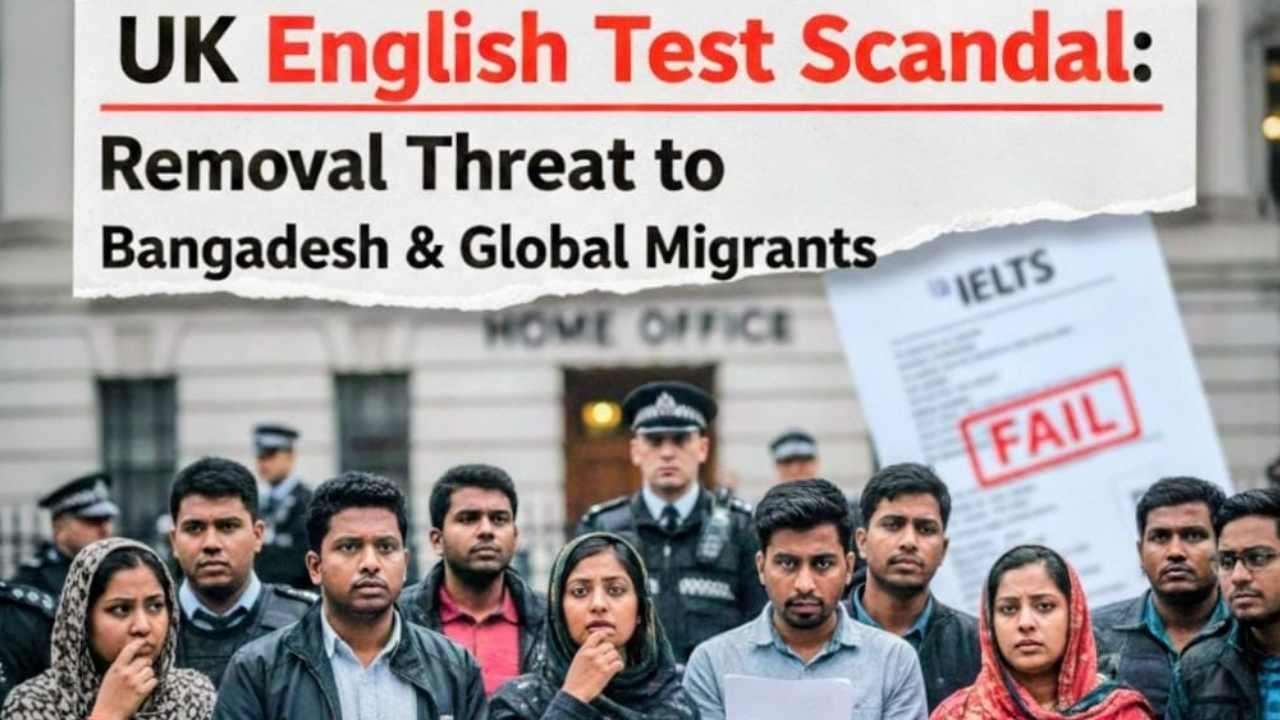
The UK government is under intense pressure to take decisive action against tens of thousands of migrants who may have been granted visas based on inaccurate English language test results, sparking a new chapter in the nation's ongoing immigration debate. With up to 78,000 test results for the International English Language Testing System (IELTS) identified as potentially incorrect between August 2023 and September 2025, the Home Office is facing calls from political figures to begin immediate removal proceedings for those who failed to meet the mandatory language requirement.
The Path to Removal: What Steps Will the Government Take?
The immediate steps the UK government will take are focused on identifying those whose correct, lower test scores mean they no longer meet their visa requirements. For individuals found to have secured a visa improperly—whether due to the recent scoring blunder or historic fraud—the Home Office has the power to take action.
Individuals who have fundamentally breached their visa conditions, such as failing to meet an initial requirement like a valid English test score, can be subject to administrative removal. This differs from a full deportation order, which is typically reserved for foreign criminals.
The government has indicated a push to reform the asylum and returns system to increase removals of those with "no right to be here," and those who obtained their status using false or incorrect information fall under this heightened scrutiny. The consequences of such a removal can include a re-entry ban to the UK, which can range from one year for a voluntary departure to 10 years for an enforced removal, especially if deception is proven.
The Removal Timeline: How Long Does the Process Take?
There is no fixed timeline for the deportation or administrative removal process, as it is heavily dependent on individual case complexities and potential legal challenges. The Home Office must arrange travel documents, and individuals must be given a written Notice of Intention to Remove (NIR), which typically provides a minimum of five working days' notice before an enforced removal.
However, the process can be lengthy. An individual has the right to appeal an initial negative immigration decision if human rights or protection-based arguments are engaged. Immigration courts have significant backlogs, and the entire process, from initial decision to enforced removal, can take months, or even years, especially if the individual pursues judicial review.
Legal Recourse and Assistance in the UK
Despite facing removal, individuals do have options for legal assistance in the UK. Anyone facing immigration action can seek legal advice, and this must be from an adviser registered with the Office of the Immigration Services Commissioner (OISC) or a qualified solicitor.
For those on a low income, Legal Aid may be available. While Legal Aid for general immigration matters is highly restricted, it is typically granted for cases involving asylum, human rights challenges (such as Article 8 claims relating to family life), and issues concerning victims of domestic abuse or trafficking. Those whose visas are being revoked due to the scoring blunder may have strong grounds to argue that their rights are being breached, making them eligible for assistance from specialist legal aid providers.
The Scale of the Crisis: Focus on Bangladeshi and Other Nationals
While exact figures for the recent IELTS scoring error affecting specific nationalities are not yet public, previous immigration scandals provide a disturbing precedent, with Bangladesh, along with Pakistan and India, often cited as the most affected regions.
An earlier, far-reaching scandal involving the Test of English for International Communication (TOEIC) saw the Home Office revoke the visas of over 34,000 students and accuse a further 22,000 of having "questionable" results following a 2014 investigation into widespread cheating. Groups campaigning for justice for the victims of the TOEIC scandal estimate that thousands of Bangladeshi students were among those wrongly accused of cheating, detained, and in some cases, deported, leaving many to fight for years to clear their names.
For the current IELTS issue, which is attributed to a "technical issue" affecting approximately 78,000 tests globally, the total number of individuals in the UK facing visa cancellation is likely to run into the thousands. The Home Office and testing bodies are currently liaising with relevant partners to determine the specific impact on visa holders, but the spotlight is likely to fall on high-volume routes for work and study, which include applicants from Bangladesh and other South Asian and South East Asian nations, where evidence of separate, organised cheating has previously been discovered.
As the government moves to enforce tighter controls, including plans to raise the required English language standard to A-level equivalent for some routes, the pressure mounts to manage the humanitarian and legal fallout of yet another massive language test integrity crisis.

_1.jpg)