



.svg)
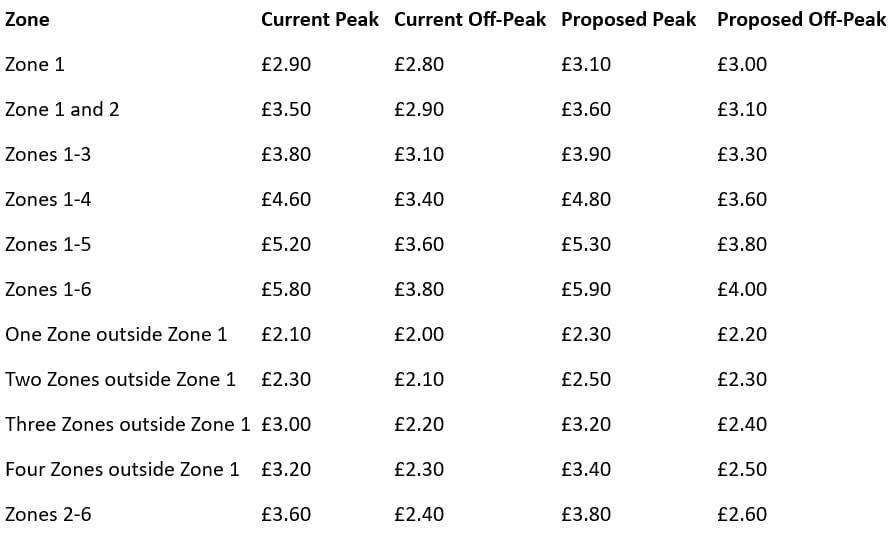
The Mayor of London, Sadiq Khan, has unveiled the full structure of Transport for London (TfL) fare adjustments for 2026, revealing a calculated financial strategy that prioritises regular commuters by freezing the daily and weekly pay-as-you-go travel caps until March 2027. While headlines focus on zone 1 single fares climbing by up to 7.1 per cent, the underlying narrative is one of strategic protection for frequent travellers, directly linking the increases to the requirement of securing a vital £2.2 billion government capital funding package.
The fare changes, set to take effect from March 2026, adhere to the strict funding mandate imposed by central government, requiring TfL to implement an overall rise equivalent to the Retail Price Index (RPI) rate of inflation plus one per cent. This formula has resulted in increases to single journey tickets across the network, with the Zone 1 peak fare moving from £2.90 to £3.10, and the off-peak rate rising from £2.80 to £3.00. However, City Hall has ensured that the vast majority of Tube and rail fare increases are contained, with most only increasing by 10p or a maximum of 20p.
The key concession for Londoners is the decisive move to keep the pay-as-you-go daily and weekly Travelcard caps frozen. This directly shields the estimated two million regular travellers who rely on contactless or Oyster cards, ensuring that the overall cost of their essential weekly or monthly journey package remains unchanged. This measure is a direct consequence of the national rail fare freeze, with the Mayor successfully leveraging this policy to benefit London’s most frequent public transport users.
A notable exception to the modest increases is the Elizabeth line service to Heathrow Airport, which will see an 11.5 per cent hike, pushing the fare from £13.90 to £15.50 from central London. City Hall defends this significant increase by asserting it primarily impacts single-journey users, mainly tourists, while regular Londoners travelling for work are protected by the frozen daily cap. This increased revenue stream still keeps the Elizabeth line a substantially cheaper option than the competing Heathrow Express, which currently charges £25.00 for a single ticket.
Furthermore, in a move explicitly termed an "emergency cost-of-living measure," the Mayor has committed City Hall reserves to maintain the current bus and tram fare of £1.75 until July 2026. This extension marks the seventh time bus and tram fares have been frozen since 2016, specifically targeting support for Londoners on lower incomes who disproportionately rely on the capital’s bus network—the best-used form of public transport with approximately 1.8 billion annual journeys.
While critics, such as the City Hall Conservatives’ transport spokesman Thomas Turrell, argue the "inflation-busting" rises will severely hit young professionals, the Mayor stands by his policy. He contends that the overall savings for Londoners, thanks to accumulated freezes since 2016, still amount to an approximate 16 per cent on tube and rail fares, and a significant 34 per cent on bus and tram fares compared to if they had consistently risen with inflation over the last decade. The focus remains on targeted fare protection and delivering the necessary revenue to secure £2.2 billion in capital investment, essential for the network’s long-term maintenance and expansion projects.



.jpg)