


.svg)
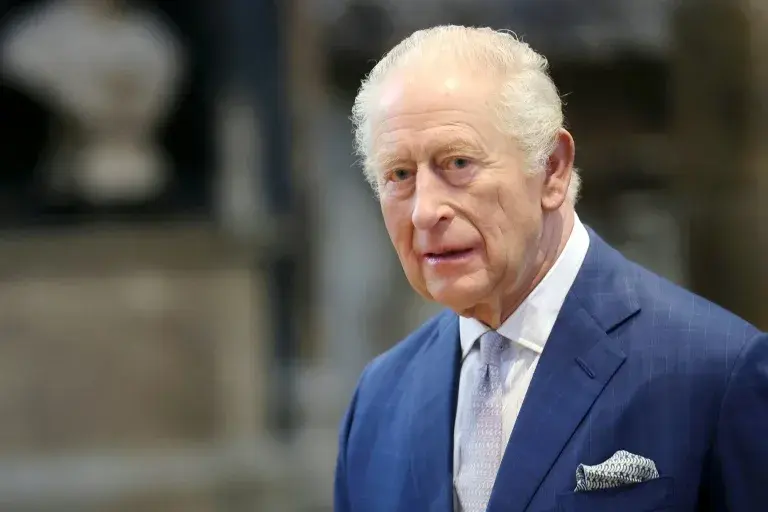
Britain’s King Charles III has shared encouraging news about his health, revealing that his cancer treatment will be scaled back in 2026. In a rare and personal video message recorded for the annual Stand Up To Cancer fundraising campaign, the monarch spoke candidly about his experience and urged the public to take part in cancer screening programmes across the UK.
The 77-year-old king said that early diagnosis, effective treatment and following medical advice have allowed his doctors to reduce his treatment schedule in the coming year. Reflecting on his own journey, Charles acknowledged how overwhelming a cancer diagnosis can feel, but stressed that early detection can dramatically improve outcomes and provide patients with hope.
Although the king did not disclose the type of cancer he has or the treatment he is receiving, he highlighted the importance of screening, warning that around nine million people in the UK are not up to date with available cancer checks. He described these as millions of missed chances for early diagnosis, pointing to bowel cancer survival rates as a powerful example of how early detection saves lives.
Prime Minister Keir Starmer welcomed the news, praising the life-saving impact of early screening and expressing national relief that the king’s treatment will be reduced. Royal sources clarified that the king should not be assumed to be receiving treatment for bowel cancer.
Charles’s openness marks a significant shift from the tradition of royal secrecy around health issues seen during the reign of Queen Elizabeth II. His diagnosis was discovered in January 2024 during treatment for a benign prostate condition, and the palace has confirmed he does not have prostate cancer.
Despite temporarily stepping back from public duties, the king resumed work in April 2024 and has since maintained a demanding schedule, including overseas visits and meetings with world leaders. He was briefly hospitalised in March due to side effects from treatment.
In messages to cancer campaigners, Charles has described cancer as both frightening and transformative, saying it can reveal “the very best of humanity.” The Stand Up To Cancer campaign has now raised more than £113 million to support research into over 20 types of cancer.