






.svg)
Plans by Reform UK to cut Britain’s overseas aid budget by 90% would fall short of covering the country’s existing financial commitments to international institutions such as the United Nations and the World Bank, according to warnings from charities and rival political parties. Critics say the proposal would severely damage the UK’s global influence and standing within multilateral organisations.
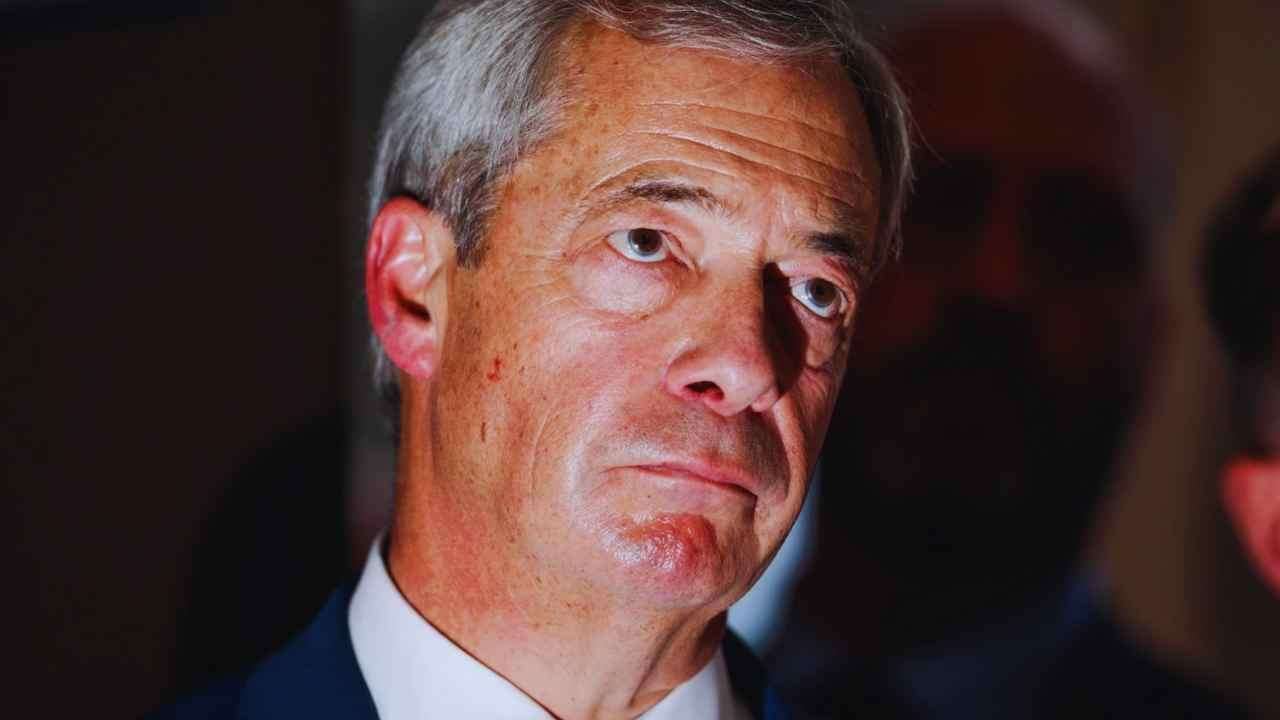
Under proposals announced by Reform UK leader Nigel Farage in November, foreign aid spending would be capped at £1bn annually, equivalent to around 0.03% of GDP. The current Labour government under Keir Starmer is already planning to reduce aid from 0.5% of GDP to 0.3% by 2027, a level that would still amount to roughly £9bn a year.
Experts say a reduction to £1bn would require Britain to scale back or withdraw from long-term funding agreements with international bodies and global health initiatives, including vaccination programmes. In 2024, the UK spent £2.8bn on multilateral aid alone, according to the latest available data.
The country’s existing annual commitments to organisations such as the UN, the World Bank’s International Development Association, Gavi, and the Global Fund to Fight Aids, Tuberculosis and Malaria exceed £1.6bn. Most of these pledges are agreed over several years, making immediate cuts difficult.
Even if spending were reduced to £1bn, analysts warn there would be little or no funding left to respond to new emergencies, including natural disasters like Hurricane Melissa, which struck Jamaica in October.
Gideon Rabinowitz, policy director at Bond, the umbrella body for UK development NGOs, said the proposed cap would significantly limit Britain’s ability to combat global poverty, disease and inequality. He warned it would also undermine the UK’s reputation as a dependable international partner and weaken its influence in key global decision-making forums.
Rabinowitz added that further cuts could push UK aid spending below that of countries such as Russia and China, potentially allowing rival powers to expand their influence. He also noted that recent reductions in UK support for Gavi and the Global Fund were expected to lead to hundreds of thousands of preventable deaths.
The Labour Party criticised Reform’s policy as irresponsible, arguing it would fail to meet existing obligations, leave the UK unprepared for future crises and diminish Britain’s role on the world stage.
The Liberal Democrats echoed those concerns, warning that further cuts would erode diplomatic influence in Africa and Asia, weaken economic partnerships and reduce the UK’s voice in institutions including the UN, World Bank and IMF.
Reform UK rejected the criticism, with its head of policy Zia Yusuf insisting the £1bn cap would not jeopardise Britain’s membership of multilateral organisations and would still allow funding for Ukraine and genuine disaster relief. He accused previous Conservative and Labour governments of misusing foreign aid and said a Reform government would prioritise British taxpayers.

_2.jpg)


.jpg)
.jpg)