






.svg)
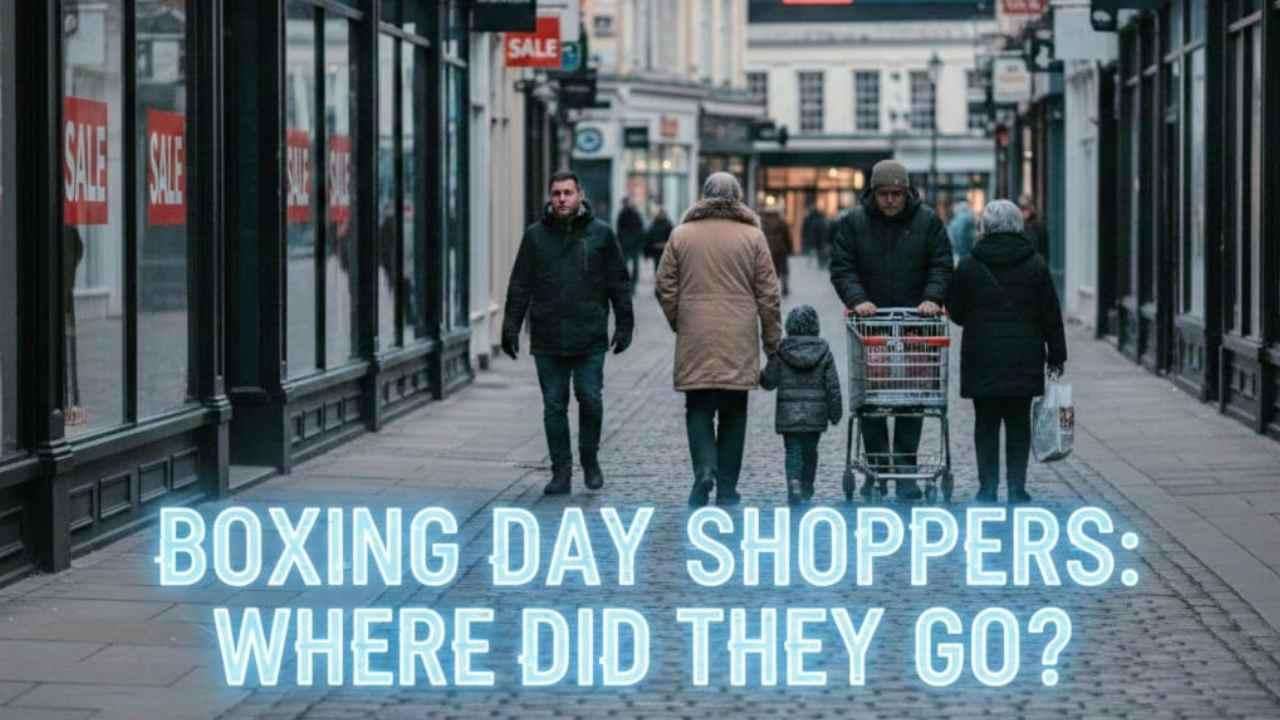
The traditional frenzy of the Boxing Day sales appears to be fading into history as British shoppers retreat from the high street in the wake of a significant squeeze on household finances. New data suggests that the once-unmissable retail event is losing its luster, with total spending forecast to plummet by £1 billion this year as the UK grapples with the aftermath of Chancellor Rachel Reeves’s recent fiscal interventions.
According to a comprehensive analysis by Barclays, total expenditure during the festive sales period is expected to settle at £3.6 billion, a sharp contraction from previous years. This decline is largely attributed to a chilling effect on consumer confidence following the government's decision to freeze income tax thresholds and hike levies on property and savings. The fiscal "drag" created by these policies has left millions of households with less disposable income, directly impacting the retail sector during the critical "golden quarter."
Waterford Murders: English Family Previously Petrol Bombed as Multiple Searches Seek Killers?
Market research indicates that only 26 percent of UK adults plan to participate in the sales this year, a noticeable drop from the 28 percent recorded in 2024. For those who do choose to shop, the motivation has shifted from luxury indulgence to survivalist necessity. Approximately one-quarter of Boxing Day shoppers now state they will only purchase items deemed essential, reflecting a disciplined and cautious approach to spending that has become the hallmark of 2025.
While those who remain committed to the sales intend to spend slightly more individually—with an average outlay of £253—the increased per-person spending is insufficient to offset the mass exodus of shoppers from the market. This trend poses a severe threat to high street retailers who are already reeling from increased operational costs. The sector has been disproportionately hit by the hike in employers’ National Insurance contributions and the rise in the national minimum wage, both of which have squeezed profit margins to their thinnest levels in years.
Further compounding the industry's woes is the upcoming Employment Rights Bill. Industry experts warn that the crackdown on zero-hours contracts will introduce additional layers of red tape, hampering the flexibility that brick-and-mortar stores rely on during seasonal peaks. The long-term impact is already visible in the labor market data, with the Office for National Statistics reporting a loss of 74,000 retail jobs over the past twelve months alone.
Karen Johnson, head of retail at Barclays, noted that while Boxing Day remains a nostalgic fixture in the British calendar, it has evolved into a much leaner event. Shoppers have become hyper-aware of their budgets throughout 2025, often bypassing impulse buys in favor of strategic, planned purchases. For many, the festive sales are no longer a sport, but a calculated effort to make a diminished paycheck go further.
The cooling of the Boxing Day sales marks a pivotal shift in British consumer culture. As households prioritize energy bills and tax obligations over discounted electronics and fashion, the era of the midnight queue and the crowded shopping mall seems to be drawing to a definitive close, replaced by a new age of austerity and digital deliberation.








.jpg)