




.svg)
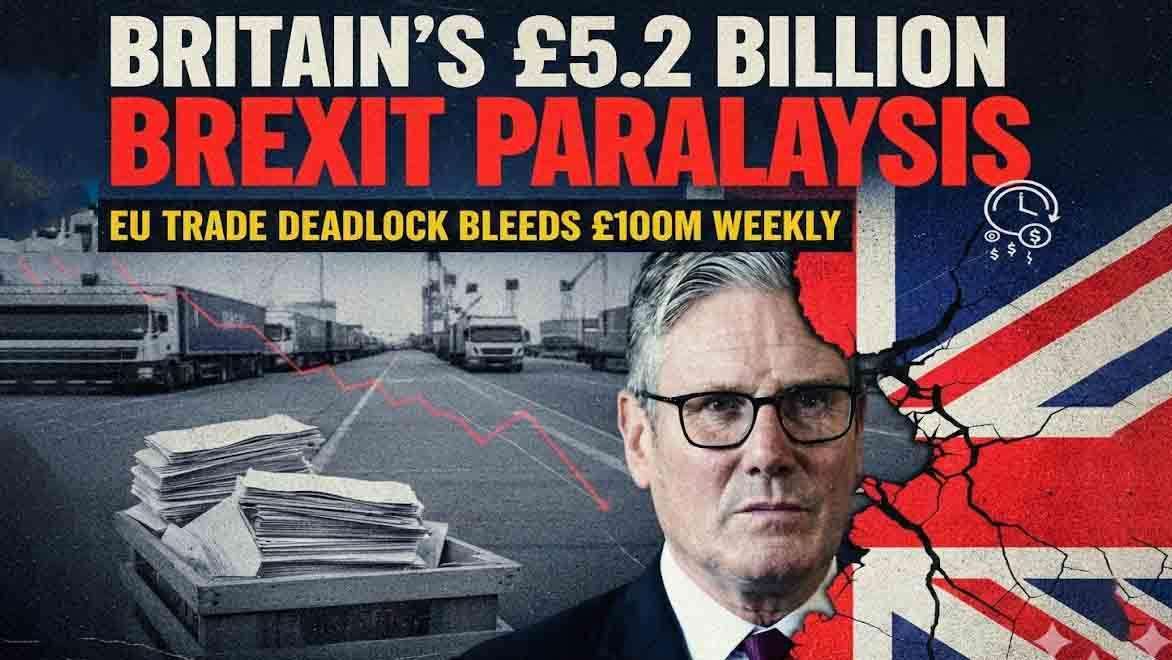
The United Kingdom is currently hemorrhaging an estimated £100 million every single week due to the prolonged failure to finalize a landmark sanitary and phytosanitary (SPS) agreement with the European Union. New analysis from the House of Commons Library suggests that the sheer weight of post-Brexit bureaucracy is acting as a literal tax on British productivity, costing the national economy approximately £14 million every day. As the Starmer administration enters its second year, the gap between the rhetoric of a "Great Reset" and the reality of cross-border commerce is widening into what critics describe as a terminal "economic doom loop."
Prime Minister Sir Keir Starmer recently used the high-profile stage of the Lady Mayor’s speech to condemn the previous "Brexit template" as "utterly reckless," yet his own government now faces accusations of strategic dithering. While a high-profile summit with European Commission President Ursula von der Leyen in May 2025 promised a new era of cooperation, the core of the deal—the veterinary and food standards alignment—remains unsigned. This delay is not merely a diplomatic footnote; it represents a massive opportunity cost for a nation struggling with stagnant growth and persistent inflation.
The proposed SPS deal is designed to align British standards with EU regulations, effectively dissolving the need for the mountain of health certificates and physical checks that currently strangle agri-food trade. For British exporters, the stakes are existential. Data from the Food and Drink Federation reveals that food exports to the EU have plummeted by nearly 24 percent over the last five years compared to pre-Brexit levels. Giants like Marks & Spencer have been forced into absurd operational shifts, including renting dedicated warehouse space simply to archive the thousands of pages of paperwork required for simple consignments.
The Labour government has countered these criticisms by pointing to the complexity of the negotiation mandate, which required unanimous approval from all 27 EU member states—a milestone only reached this autumn. Ministers insist that the "reset" is a work in progress and have hit back at opposition parties, labeling their lack of support as a "shame." Government insiders argue that once the economy fully adjusts to the new system, the deal could deliver a 16 percent surge in agricultural commodity exports. However, the British Chambers of Commerce warns that for many small businesses, these promises may arrive too late, as over 16,000 exporters have already ceased trading with the bloc entirely.
Further complicating the domestic political landscape is a growing rift within the Cabinet itself. While the official government line remains a firm "no" to rejoining the Single Market or Customs Union, senior figures like Health Secretary Wes Streeting have recently hinted at the necessity of a "deeper trading relationship." This internal tension, combined with a fresh £330 million annual bill for new border charges implemented earlier this year, has left the private sector in a state of perpetual uncertainty. Business leaders argue that while the Prime Minister denounces the "reckless" templates of the past, the current pace of reform is failing to stop the bleeding.
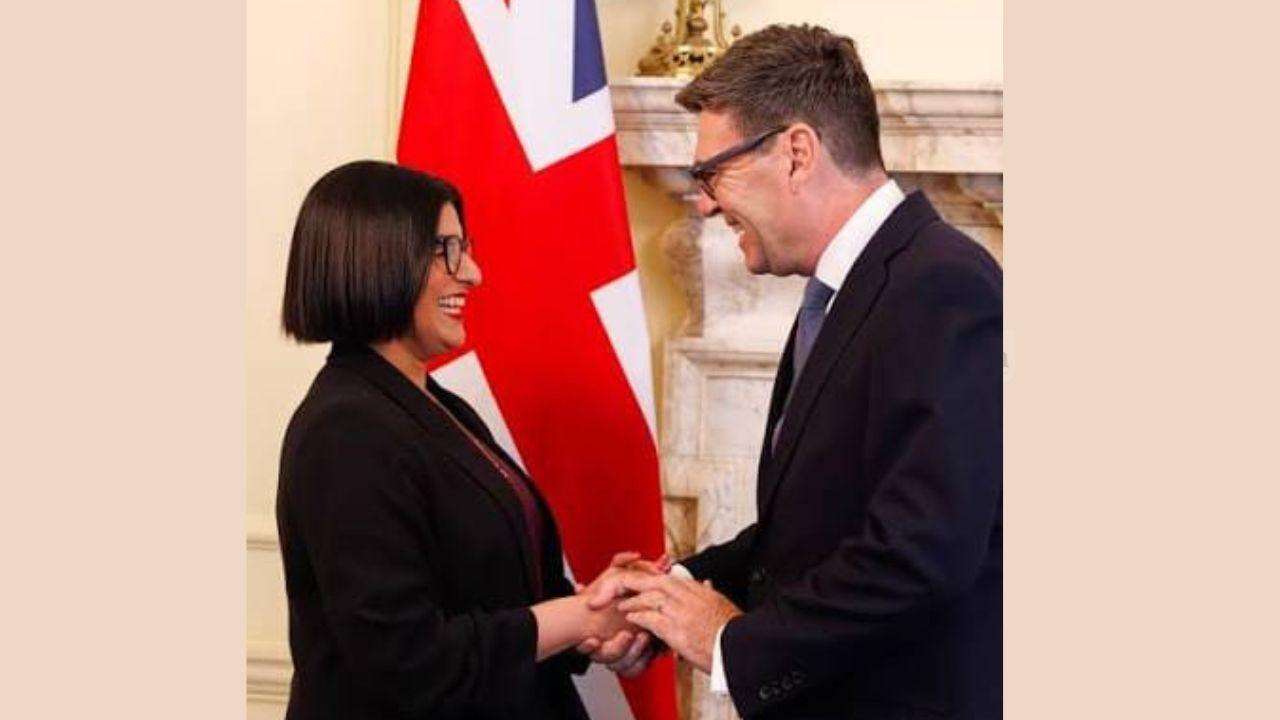
As 2025 draws to a close, the pressure on Downing Street to move from diplomatic overtures to tangible legislative results has reached a fever pitch. With the UK economy losing £1 million every 100 minutes that the deal remains unsealed, the "Great Reset" is increasingly being judged not by the warmth of its handshakes in Brussels, but by the volume of trade flowing through Dover. For a government elected on the promise of stability and growth, the "doom loop" of Brexit red tape remains the ultimate test of their mandate.