





_1.jpg)
.svg)
Prime Minister Sir Keir Starmer has entered 2026 not with a victory lap, but with a desperate plea for survival. In a high-stakes interview intended to quell a mounting insurrection within his own ranks, Starmer issued a chilling warning: any attempt to oust him now would effectively hand the keys of Number 10 to Nigel Farage. The Prime Minister’s rhetoric has shifted from the "national renewal" of 2024 to a grim focus on "stability at all costs," as he insists he will still be in office this time next year. Yet, the atmosphere in Westminster suggests otherwise. With the Labour Party languishing at historic lows in recent polls—placing them potentially in third place behind Reform UK—the Prime Minister’s "five-year mandate" feels increasingly like a countdown. Starmer is portraying himself as the only bulwark against populist "chaos," but for many of his own MPs, the current trajectory is its own form of disaster.
The Rayner Resurrection: A Shadow Throne in Waiting
The most compelling arc in this internal drama is the enduring power of Angela Rayner. Despite her high-profile resignation in late 2025 following a tax scandal, Rayner has not faded into political obscurity. Instead, she has become the "Queen across the Water" for the party’s soft left. Sir Keir has been uncharacteristically vocal in his support for his former deputy, publicly stating that he "misses" her and promising a return to the Cabinet. This public embrace is viewed by many as a strategic necessity; Starmer knows that without Rayner’s grassroots popularity and union backing, his flank is completely exposed. However, the dynamics are shifting. Recent Survation polling suggests Rayner would defeat Starmer by 19 points in a head-to-head contest among members. Rayner’s strategic silence on a future leadership bid, coupled with her status as one of the most popular figures among the membership, makes her the ultimate kingmaker—or the inevitable successor.
The Challenger’s Row: Streeting, Burnham, and the Mayor’s Gamble
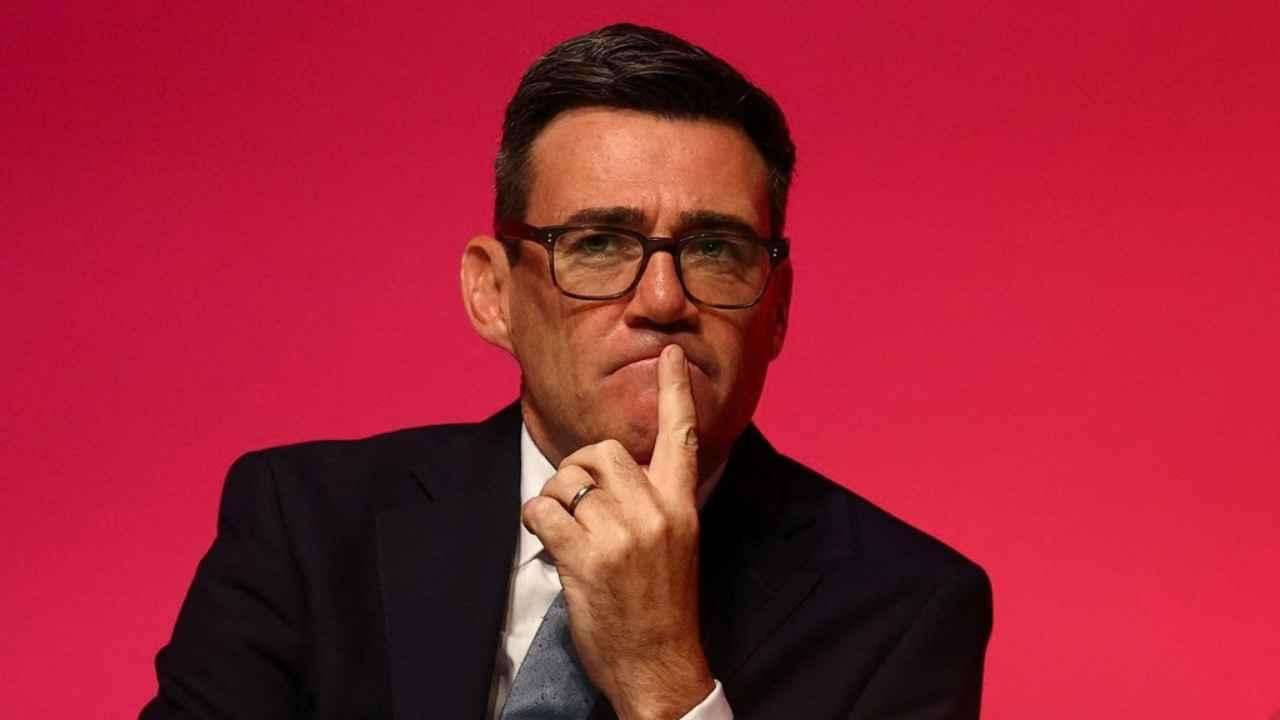
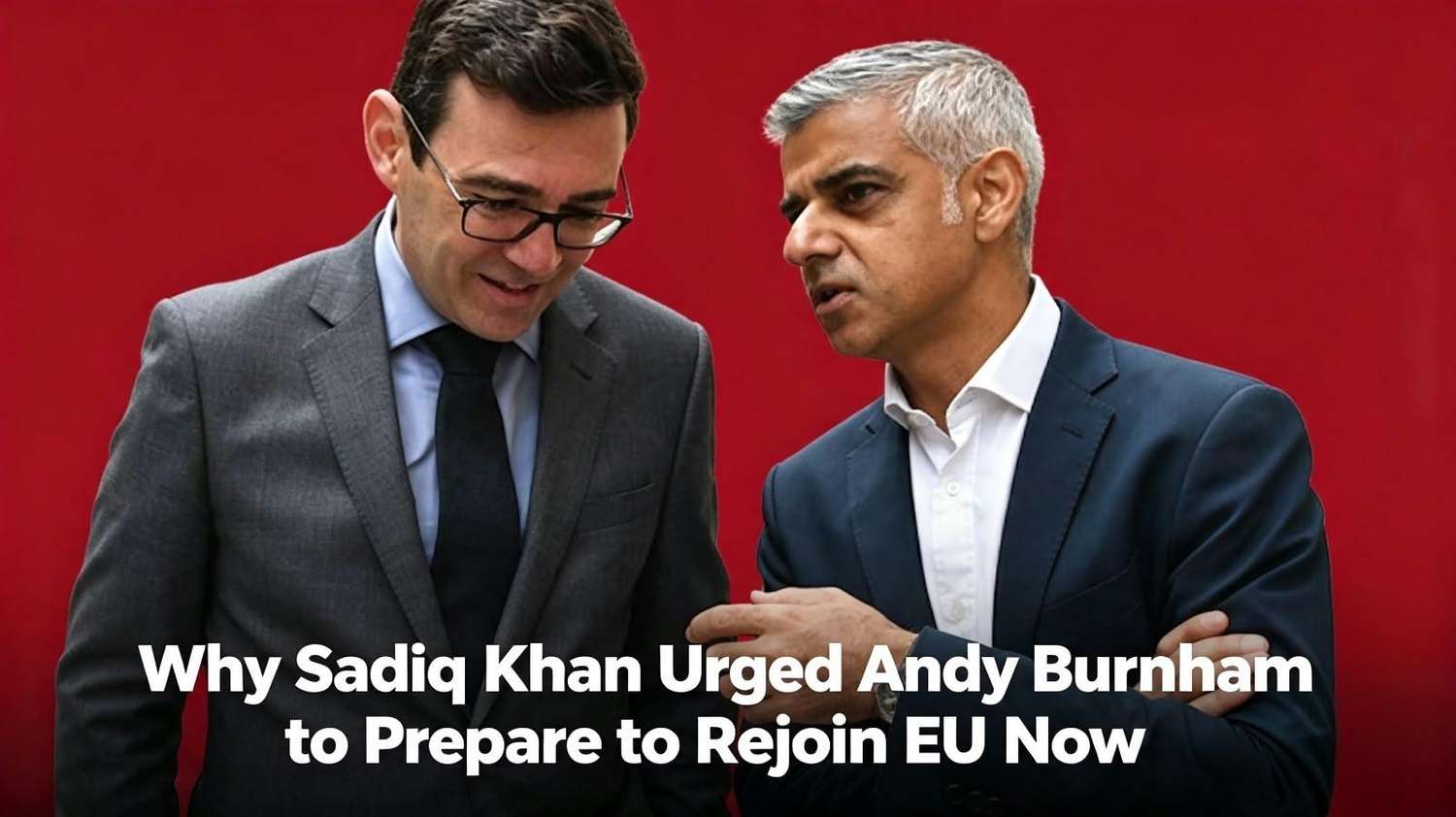
While Starmer attempts to project an image of a united front, the ambitions of his cabinet members and regional heavyweights are becoming impossible to ignore. Wes Streeting, the Health Secretary, is widely regarded as the favorite of the party's right wing. As a formidable communicator, Streeting has navigated the treacherous waters of the NHS crisis while carefully distancing himself from the Prime Minister’s deepest unpopularity. His challenge remains the perception of being "too polished," a contrast to the populist magnetism of Andy Burnham. The Mayor of Greater Manchester, the self-styled "King of the North," remains the darling of the Labour rank-and-file. Burnham’s lack of a Westminster seat remains his only constitutional barrier, but with a massive 26-point lead over Starmer in hypothetical head-to-head polling, the "Burnham Threat" is no longer a hypothetical. The Mayor’s refusal to rule out a bid has left the door wide open for a dramatic return to national politics.
The Data of Discontent: A Membership in Revolt
The internal crisis is backed by devastating numbers that show a party in a state of psychological break from its leader. Fresh polling data reveals that 54% of Labour members now believe a new leader should be in place before the next general election. Even among those who originally backed Starmer for the leadership in 2020, support is fracturing, with over 40% now calling for a transition. While figures like Ed Miliband have seen a resurgence in popularity—ranking as the most liked member of the Cabinet in some metrics—the membership is clearly looking for a fighter who can take on the Reform UK surge. The polls show Starmer trailing nearly every major potential challenger in a direct vote, with Burnham at 58% to Starmer’s 32%, and even Wes Streeting holding a marginal lead in a dead-heat scenario. These figures represent a total collapse of the Prime Minister's internal authority.
A Party Divided: The May Election Ultimatum
The looming local, Scottish, and Welsh elections this May are being treated as a de facto referendum on Starmer’s leadership. Internal data suggests Labour is on course for "catastrophic" losses, particularly in Wales, where the loss of the Caerphilly by-election served as a canary in the coal mine. The rise of Reform UK has created a pincer movement, draining Labour's "Red Wall" support while the Liberal Democrats and Greens nibble at their urban base. Inside the party, the divide is no longer just ideological; it is existential. Figures like Lucy Powell, the newly elected Deputy Leader who ran on a platform of "course correction," represent a growing faction that believes the current "Starmerism" is a spent force. As the Prime Minister prepares to meet his cabinet to demand cost-of-living slashes, the real question is whether his team is looking at the policy—or looking past him to the leadership race that feels all but inevitable.