






.svg)
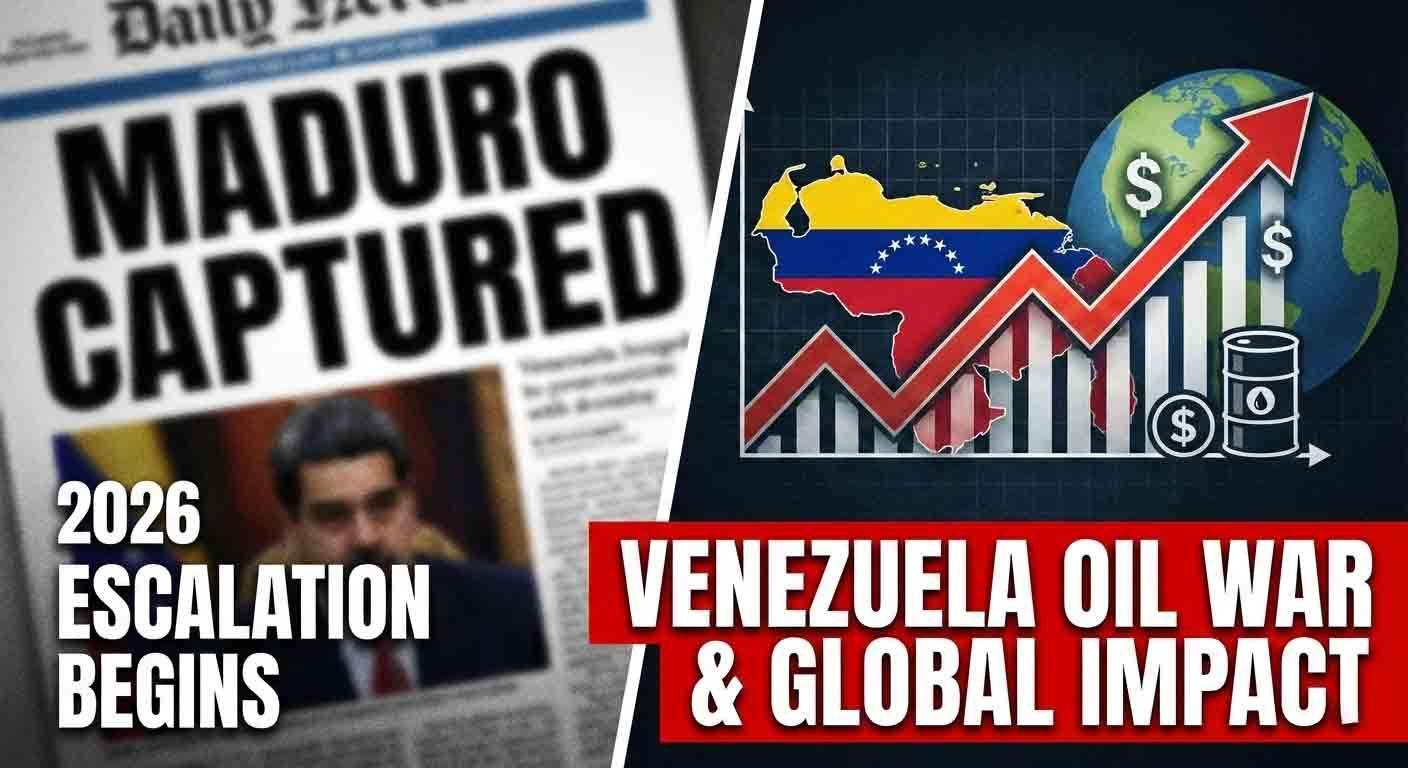
The geopolitical landscape of South America shifted overnight as the long-simmering economic conflict over Venezuela’s massive energy reserves transformed into a direct military intervention. For years, the world has watched a non-traditional "oil war" where the primary weapons were not tanks, but financial sanctions and shipping blockades. Today, those economic pressures have culminated in a historic operation that marks a new chapter in how global powers compete for energy security. Venezuela sits upon the world's largest proven oil reserves, holding roughly 17% of the global supply, yet its production has been a shadow of its potential due to a decade of decay and international isolation.
The current conflict is defined by the weaponization of the energy sector. The United States has historically utilized sanctions to choke the revenue streams of the Venezuelan state, effectively blocking access to U.S. financial systems and essential infrastructure components. This strategy was never merely about removing barrels from the market; it was about controlling who benefits from them. By crippling the state-run PDVSA’s ability to refine and export, Washington maintained leverage that could be tightened or loosened based on domestic inflation needs or the geopolitical climate in Eastern Europe and the Middle East.
This struggle for market share and political dominance has created a landscape of strategic hypocrisy and selective enforcement. Whenever global prices spiked or domestic inflation became a political liability, waivers were granted to major players like Chevron to ensure a controlled flow of heavy crude. Now, with the capture of the Venezuelan leadership, the focus shifts toward a complete restructuring of the industry. While U.S. shale producers and Gulf nations have previously benefited from reduced competition, the vacuum left by the current instability introduces a new set of risks for global markets.
The "winners" in this sophisticated oil war have traditionally been those able to navigate the shadows. China and India have long capitalized on discounted Venezuelan crude, while the Venezuelan population has endured the economic fallout, mirroring the humanitarian crises seen in previous energy-centric conflicts in Iraq and Libya. As the U.S. now moves to fix broken infrastructure and install a transitional administration, the battlefield has moved from the ledger books of Treasury departments to the very refineries and ports that hold the key to the region's survival. This is no longer just a battle for prices; it is a fundamental redrawing of the global energy map.



.jpg)