




.svg)
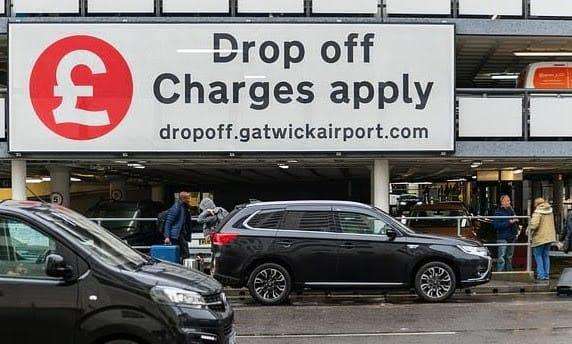
The UK taxi and private hire industry is reeling today as Gatwick Airport officially claims the title of the most expensive airport for drop-offs in the country. Starting tomorrow, January 6, 2026, the fee to stop at terminal forecourts for just 10 minutes will jump from £7 to a staggering £10. While the airport justifies the 43% increase as a response to soaring operational costs, for the thousands of drivers who rely on airport transfers to make a living, this move represents a "tax on work" that threatens to push many out of the industry entirely.
A Financial Stranglehold on Professional Drivers
For a driver completing five airport runs a day, this single change adds £50 to their weekly costs—a figure that cannot always be passed on to passengers without losing business to rail services. The Drivers Representation and Advocacy Group (DRA) has warned that this hike hits at the worst possible time, coinciding with a new 20% VAT requirement on all private hire fares that also took effect this month. Drivers, many of whom come from minority ethnic backgrounds and are already struggling with the cost of living, are finding their margins evaporated. Unlike private cars, taxis and minicabs have no choice but to use these zones, making them a captive audience for what the RAC has described as "exorbitant" sums.
The Business Rates Crisis Behind the Barrier
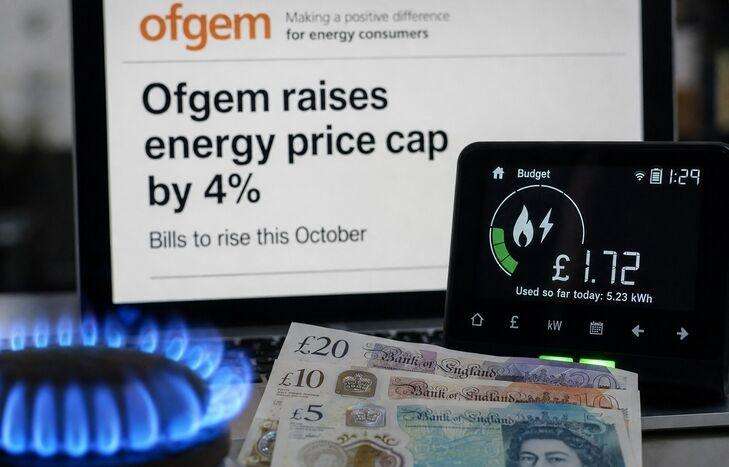
The Gatwick administration has pointed the finger squarely at the Treasury, citing Chancellor Rachel Reeves’ recent budget as the primary driver for the price hike. The airport is facing an £11.9 million increase in its business rates bill, which is set to reach over £51 million for the 2026-27 tax year. Airport bosses argue they cannot absorb these costs while also funding multi-billion pound capital projects, such as the plan to bring their standby runway into routine use. However, industry critics and driver unions argue that using "sustainability" and "congestion management" as a shield for revenue generation is a hollow excuse when the infrastructure for electric vehicle exemptions or driver facilities remains largely ignored.
A Nationwide Ripple Effect at Terminal Forecourts
Gatwick is not an isolated case but the leader of a worrying nationwide trend. London City Airport is ending its long-standing free drop-off policy tomorrow by introducing an £8 charge, while Bristol Airport has already hiked its fee to £8.50. Even Heathrow has increased its charge to £7 with a strict new 10-minute cap. This coordinated surge in costs is creating a "cordon" around London’s major hubs, where the act of simply delivering a passenger to a gate now costs nearly as much as a short-haul flight's budget seat. For drivers, the new 10-minute limits are particularly treacherous; congested approaches often eat into this window, leaving drivers at risk of an £80 fine if they spend more than a few minutes helping an elderly passenger or a family with heavy luggage.
The Future of Airport Transfers
As the cost of reaching the terminal spikes, the relationship between airports and the taxi trade is reaching a breaking point. Experts suggest that 2026 will see a significant shift in passenger behavior, with more travelers forced onto overcrowded trains or opting for unofficial, distant drop-off points to avoid the "Gatwick Premium." For the drivers, the choice is becoming increasingly binary: either accept a drastic reduction in take-home pay or hike fares to a level that may see the traditional airport run become a luxury of the past.