





.svg)
The UK motoring landscape is preparing for its most significant transformation in two decades as the Labour government prepares to unveil a comprehensive road safety strategy this Wednesday. Representing the most substantial legislative shift since the Road Safety Act of 2006, these new measures aim to drastically reduce fatalities and lower the soaring cost of car insurance for law-abiding citizens. The upcoming white paper is expected to introduce a multi-pronged approach to highway safety, targeting driver health, insurance compliance, and passenger accountability, Daily Dazzling Dawn realized.
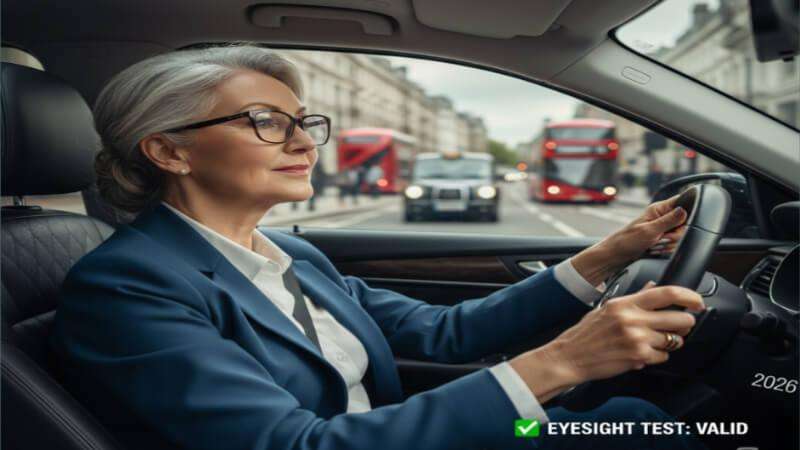
New Mandatory Vision Requirements for Elderly Motorists-A cornerstone of the 2026 strategy involves a tightening of regulations for drivers aged 70 and older. Statistics from 2024 indicate that motorists in this age bracket accounted for nearly a quarter of all road fatalities, with accident risks increasing significantly for those over 80. To combat this, the government is introducing mandatory eyesight checks every three years for senior drivers. This shift moves away from the previous self-reporting system, which experts suggest has failed to accurately reflect the health of the UK’s aging driver population. By ensuring that vision meets modern safety standards, officials hope to preserve the independence of older residents while ensuring the safety of all road users.
Aggressive Crackdown on Uninsured Driving and Offences-In an effort to stabilize insurance premiums and punish non-compliance, the government plans to double the financial penalties for driving without valid insurance. Fixed penalty notices for uninsured motorists are set to rise from £300 to £600. Current estimates suggest that there are approximately 300,000 uninsured drivers on British roads, a factor that contributes heavily to the rising costs for insured households. Furthermore, the updated road safety strategy will introduce stricter alcohol limits and new penalty points for passengers who fail to wear seatbelts, placing a greater burden of responsibility on everyone inside the vehicle.
Balancing Personal Freedom with Public Highway Safety-Local Transport Minister Lilian Greenwood has emphasized that while the government recognizes the vital role driving plays in maintaining independence and well-being for the elderly, the priority must remain the preservation of life. The 2026 rules represent a response to a 70% decline in the self-reporting of critical eye conditions such as glaucoma and cataracts over the last five years. By aligning with other European nations that require regular medical verification, the UK aims to close safety loopholes that have historically contributed to avoidable collisions.