





.svg)
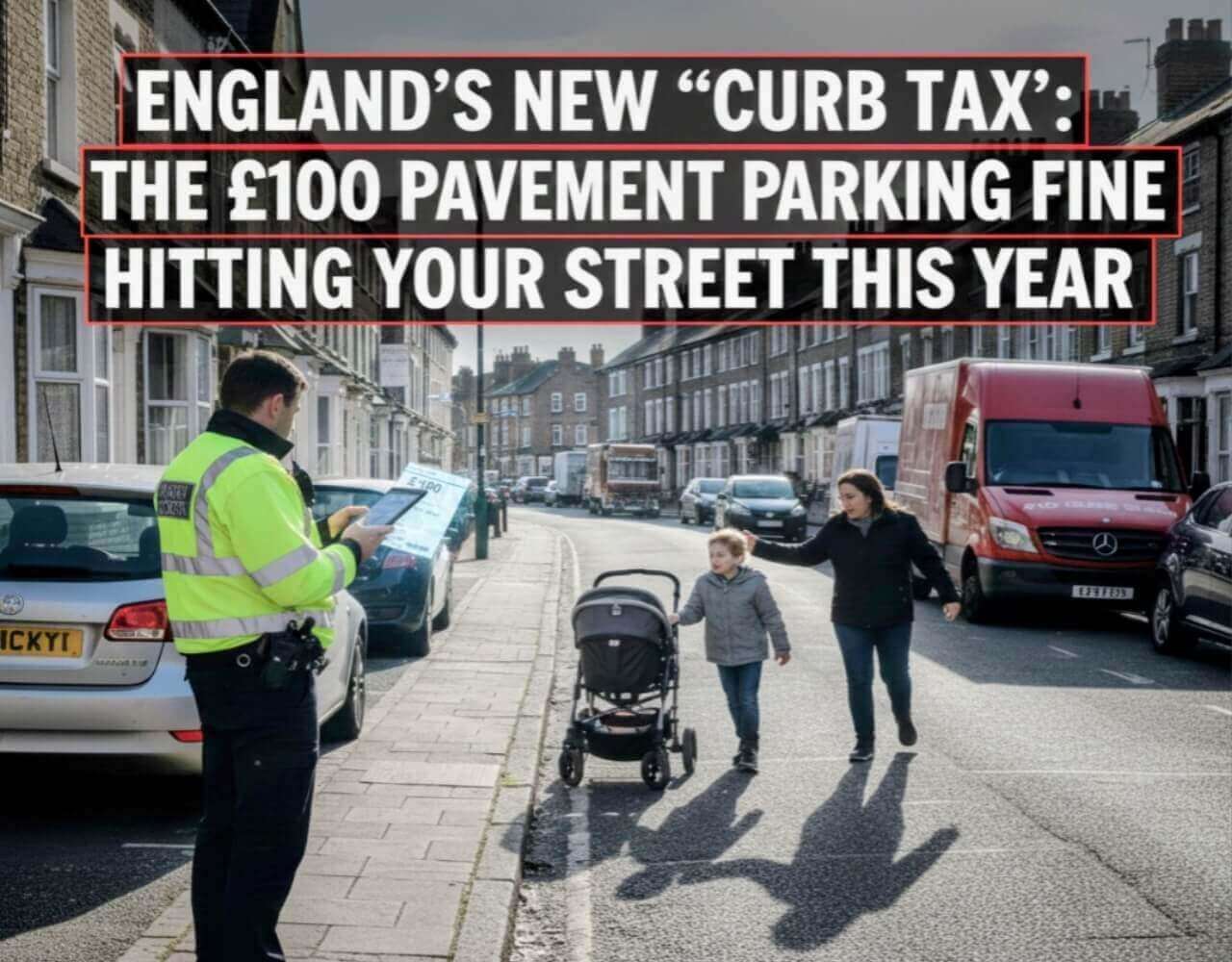
The era of "polite" pavement parking is officially over. In a move that has sent shockwaves through residential communities across England, the government has confirmed that local councils will be handed sweeping new powers to fine motorists for "unnecessary obstruction" starting in late 2026. While the Department for Transport frames the move as a victory for accessibility, millions of drivers are waking up to the reality that their daily parking habits—often born out of necessity on narrow Victorian streets—could now be treated as a lucrative revenue stream for cash-strapped local authorities, Daily Dazzling Dawn understands.
The 2026 Enforcement Blitz: No Signs, No Warnings-Unlike previous parking regulations that required councils to spend months consulting residents and installing expensive yellow lines or signage, the new 2026 framework removes the red tape. Under the direction of Transport Minister Lilian Greenwood, council enforcement officers can now issue fines "in due course" without any prior street-level warnings. This "devolved approach" means the rules can change the moment you cross a borough boundary. For residents, the impact is immediate: a parking spot that was safe on Monday could result in a heavy penalty by Tuesday, all at the "discretion" of a local warden.
The Obstruction Trap: A Licence to Print Money-The most controversial element of the new law is the total lack of a legal definition for "unnecessary obstruction." The government has opted not to set a national standard, instead leaving it to individual councils to decide what constitutes a "problem." Critics and motoring groups have slammed this ambiguity, labeling it a "blank cheque" for income generation. With many local councils facing significant budget deficits in 2026, there is a growing fear that overzealous enforcement will target quiet residential areas where mounting the curb is the only way to allow emergency vehicles like fire engines to pass.
The Resident’s Catch-22: Safety vs Solvency-The impact on daily life for English residents is set to be profound. In high-density areas with no off-street parking, homeowners are now caught in a "Catch-22." If they park fully on the road, they risk blocking traffic; if they tuck their wheels onto the pavement to keep the road clear, they face a council fine. While the government highlights the benefits for blind pedestrians and parents with pushchairs—a goal widely supported—the refusal to implement a national grace period for all deliveries has left local businesses and residents worried about the logistical nightmare of simply receiving a parcel or unloading groceries.
A Fragmented England: The Rise of Postcode Lottery Parking-Because the government stopped short of a total national ban, England is now a patchwork of conflicting rules. Scotland and London already operate under strict prohibitions, but the rest of the country will now face a "postcode lottery." One council may choose to ignore pavement parking on wide boulevards, while a neighboring authority may use high-tech camera cars to maximize fine collection. This inconsistency is exactly what charities like Living Streets warned would happen, arguing that the lack of a unified law creates a confusing, high-risk environment for every driver in the country.