




.svg)
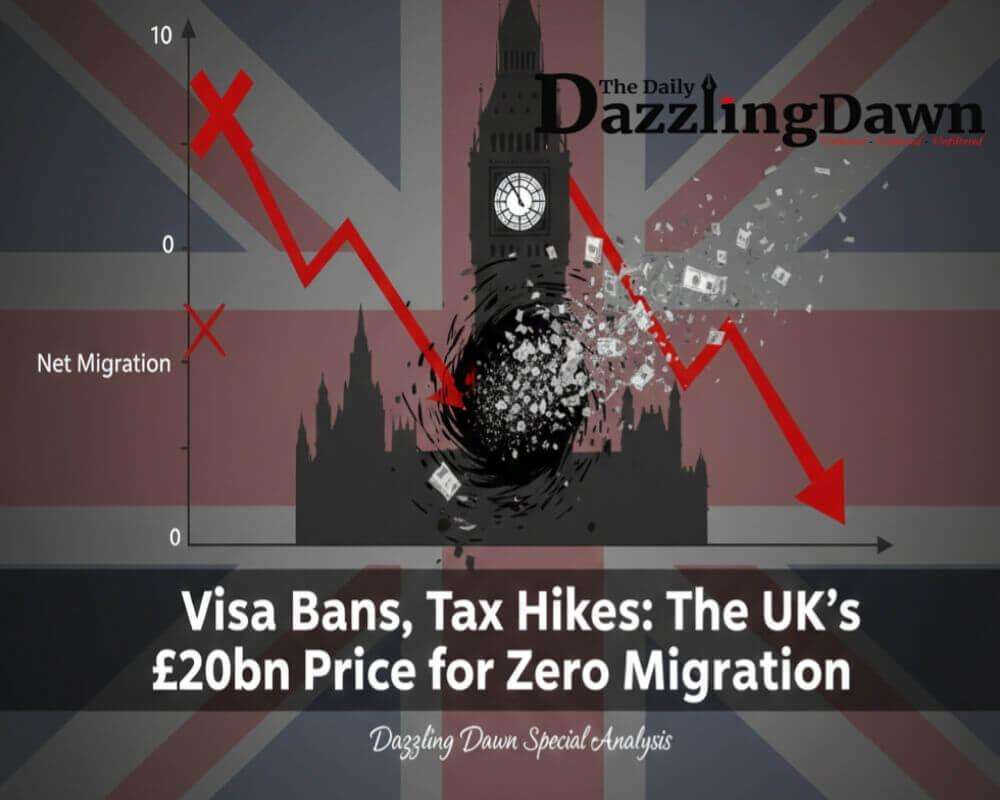
The £20 Billion Tax Trap: Why the UK’s Radical Immigration Crackdown Could Force Major Tax Hikes by 2026- The United Kingdom is sleepwalking into a historic fiscal crisis as a direct consequence of radical new immigration restrictions that threaten to drain billions from the national treasury. While political slogans promise to "take back control," the cold reality of the ledger suggests the British public will pay the ultimate price through inevitable tax hikes. According to the latest data from the Office for National Statistics (ONS), net migration has plummeted from 649,000 to just 204,000 in a single year—a 68% drop that has sent shockwaves through the financial sector, Daily Dazzling Dawn understand.
Economic experts now warn that if this trend continues toward "net zero" migration, the Chancellor will face a staggering £20 billion shortfall over the next decade. The Office for Budget Responsibility (OBR) had previously estimated higher revenues based on migration levels that are now proving to be significant overestimations. With the government's latest crackdown effectively deterring the world's brightest professionals, the Treasury is losing the very tax-paying engines that sustain public services.
DAZZLING DAWN ANALYSIS-
The Far-Right Playbook and the Myth of the ‘Immigrant Burden’-The current anti-immigrant fervor sweeping the UK is not an accidental cultural shift; it is a meticulously crafted narrative driven by far-right ideologies and wing-party rhetoric that mirrors the populist surges seen across Europe. This "anti-immigrant hype" serves a political purpose but ignores a devastating fact: the UK’s essential sectors are currently on life support, sustained almost entirely by the people these policies seek to exclude.
A Dazzling Dawn Fact Check reveals a stark truth that politicians are hesitant to admit: in sectors like NHS teaching care, social care, and specialized agriculture, the domestic workforce—White British workers—has largely moved away from these roles. Immigrants are not "taking" these jobs; they are the only reason these sectors haven't completely collapsed. By slashing health and social care visas by half in the last year alone, the government is not protecting British jobs—it is creating massive, unfillable gaps in the frontline of the welfare state.
Forty Years of Failure: The Case for a Consistent National Strategy-The fundamental tragedy of British immigration is the inability of the state to produce a well-planned, long-term policy. For 40 years, the UK has been trapped in a cycle where each new government scraps the "precious" policies of its predecessor in favor of short-term, reactionary measures designed to win headlines rather than solve economic problems. This lack of continuity has prevented the country from building a sustainable system that balances border security with the desperate labor needs of a G7 economy.
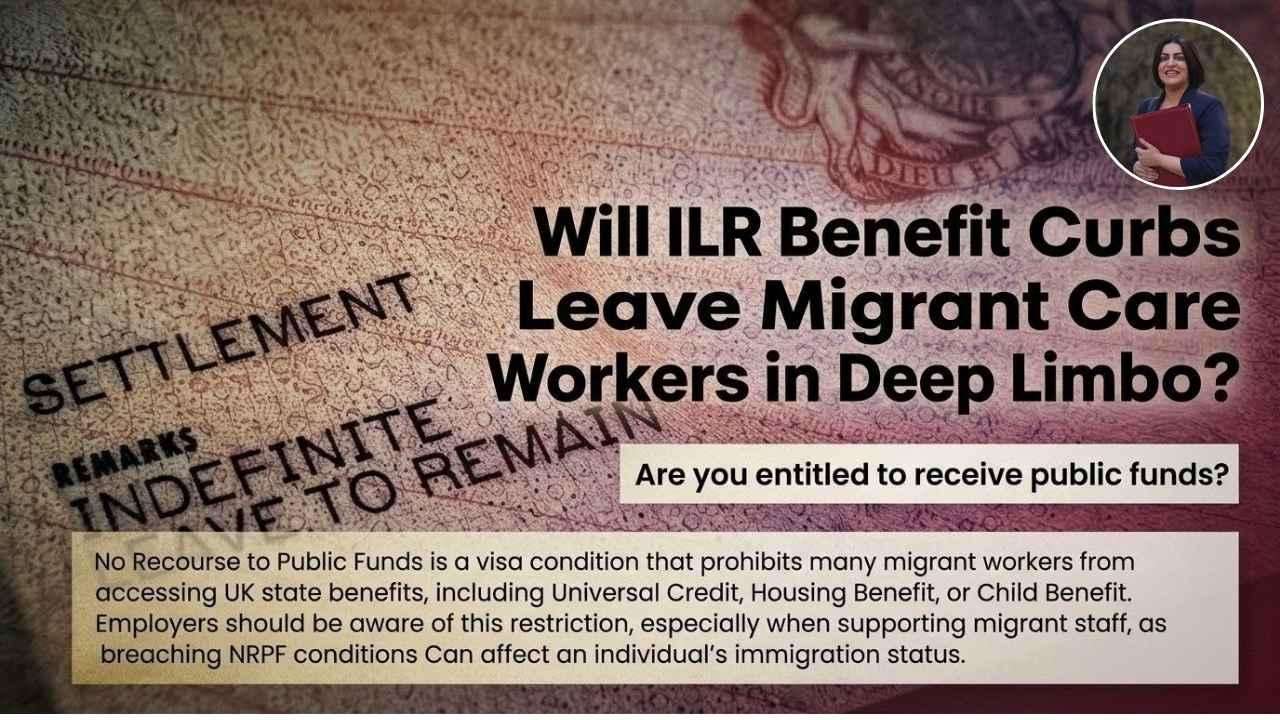
Home Secretary Shabana Mahmood’s November 2025 announcement of "Earned Settlement" is the latest example of this volatility. By extending the wait for Indefinite Leave to Remain (ILR) to 10 or even 15 years, the government has fundamentally broken the trust of the international professional community. Professionals on work visas already pay the same hefty taxes as citizens—often exceeding tens of thousands of pounds—while also paying a £3,029 fee per person just to apply for settlement. To demand 15 years of tax contributions with no security of tenure is, as many experts argue, a policy of "taxation without representation" that will simply drive talent to more welcoming nations.
The Fair Settlement Alternative: A Path to Contribution Without Welfare-A deeper analysis suggests a far more logical "Fair Immigration Plan" could exist—one that balances public concerns with economic necessity. Instead of denying ILR or making thousands of legal residents effectively homeless or transient, the government could grant permanent residency after a reasonable period while maintaining a "No Recourse to Public Funds" status for a further set of years.
In this model, immigrants would gain the security to buy homes, invest in local businesses, and commit to the UK long-term, but they would only become eligible for state benefits after a proven decade of tax contributions or upon achieving British citizenship. This would ensure that migration remains a net positive for the Treasury—averting the £20 billion deficit—while addressing the political concern that newcomers might "drain" the system.
The Human and Economic Cost: A Public Outcry-The sentiment on the ground reflects a growing realization that the current crackdown is a self-inflicted wound. As one professional on a work visa recently noted, the government seems to forget that these "migrants" are actually high-earning taxpayers. If the state "sends them all off" or makes their lives untenable, it is the British citizens left behind who will be forced to pay the difference in their own tax bills to cover the disappearing revenue.
With 182,553 work visas granted in the year ending June 2025—a 36% decrease from the previous year—the exodus has already begun. As graduate visas expire and the "15-year trap" takes effect, the UK risks becoming a nation that is "pure" in its politics but bankrupt in its pockets.