





.svg)
Apple has issued a critical security alert to its global user base, confirming that iPhones are being targeted by "extremely sophisticated" mercenary spyware attacks. The tech giant revealed that hackers have successfully exploited vulnerabilities within WebKit, the foundational browser engine that powers Safari and every third-party browser on the iOS platform. This breach has prompted an immediate recommendation for all users of the iPhone 11 and newer models to transition to the latest iOS 26 firmware to mitigate the risk of remote data theft.
Targeted Attacks and the WebKit Breach
The warning focuses on two specific "zero-day" flaws that allow attackers to execute arbitrary code simply by tricking a user into viewing a malicious webpage. Unlike common malware, these mercenary spyware tools—often developed by private firms for state-level surveillance—are designed to silently infiltrate devices without any user interaction. Apple’s internal security teams discovered that these flaws were being actively exploited in the wild, primarily targeting high-value individuals such as journalists and activists, though the risk of the exploit "leaking" to the broader public remains a significant concern.
US Government Intervention Amid Slow Update Adoption
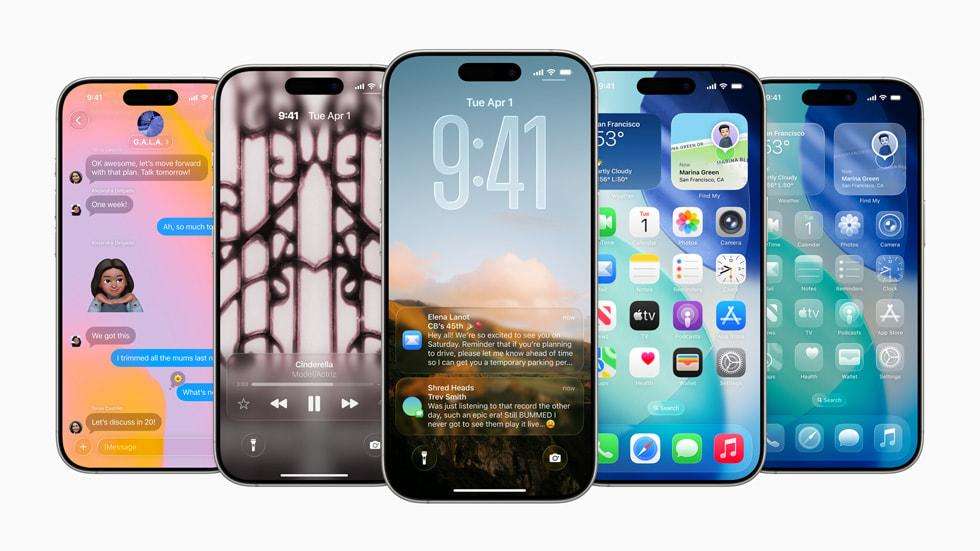
In an unusual move, the United States government has joined the call for immediate action, echoing warnings cited by industry experts. Recent data suggests a worrying trend: approximately 50% of eligible iPhone users have yet to upgrade to the iOS 26 ecosystem. Many users have reportedly hesitated due to the new "Liquid Glass" interface and concerns over battery performance. However, federal authorities warn that staying on older versions is no longer a viable safety strategy, as Apple has moved its most robust security patches, including Memory Integrity Enforcement, exclusively to the iOS 26 architecture.
Enhanced Defenses and Essential Safety Configurations
The transition to iOS 26 is not merely a routine patch but a comprehensive overhaul of the iPhone’s defensive capabilities. The new operating system introduces Advanced Fingerprinting Protection in Safari, which prevents websites from identifying users based on their unique hardware configurations. While some features are active by default, experts recommend manually verifying your settings to ensure maximum coverage. Users should navigate to the Settings app, select Apps, then Safari, and enter the Advanced menu to set "Advanced Tracking and Fingerprinting Protection" to "All Browsing." This extra step ensures that the protection extends beyond Private Browsing into every tab you open.
Defeating Scams and Securing Connections
Beyond the WebKit fixes, iOS 26 features new safeguards against dangerous wired connections—designed to block "juice jacking" and unauthorized data extraction via USB—and an innovative "Ask Reason for Calling" feature. This receptionist-like tool intercepts unknown calls and asks the caller to identify themselves, displaying a real-time transcript on your screen so you can decline scammers before the phone even rings. To enable this, users can go to Settings, tap Apps, then Phone, and select "Ask Reason for Calling" under the Screen Unknown Callers section. Cybersecurity analysts also emphasize that the update process itself is a security measure, as it forces a device restart which flushes out non-persistent, memory-resident malware.


_2.jpg)