






.svg)
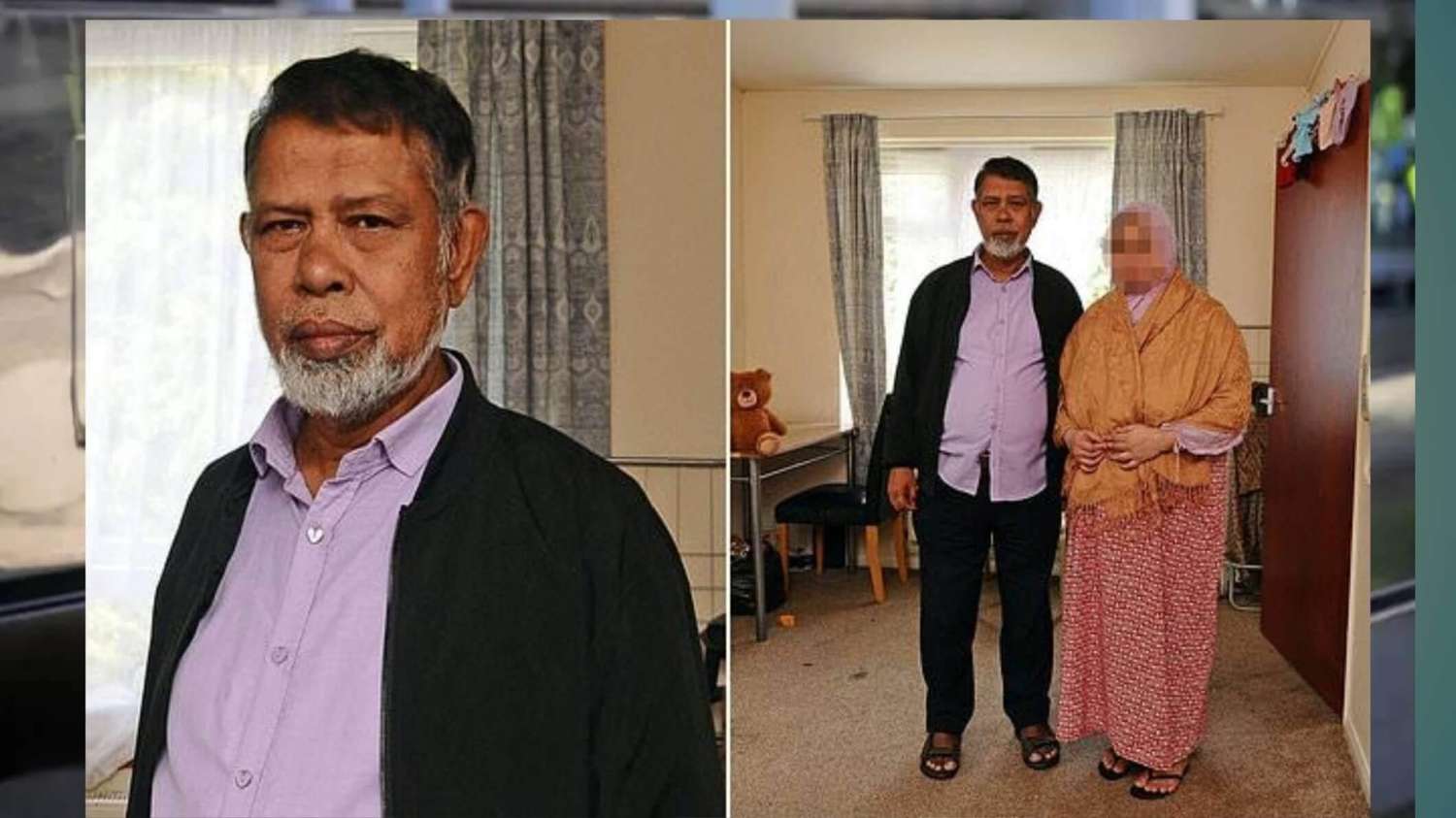
The quiet corridors of David Smith Court in Reading have become the unlikely epicenter of a complex legal and humanitarian standoff. At the heart of the matter is 59-year-old Shahidul Haque and his young family, whose presence in a designated over-55s retirement complex has ignited a fierce debate over the intersection of housing policy, cultural integration, and the fundamental right to family life under the European Convention on Human Rights.
A Father’s Quest for Stability and Security
Shahidul Haque, a British resident since 1997, found himself in a precarious position in mid-2024. Struggling with debilitating health issues, including chronic sleep apnoea and depression, Haque was recognized as homeless by West Berkshire Council. In July 2024, he was allocated a single-room flat at David Smith Court. While the facility is tailored for the elderly, for Haque, it represented a vital lifeline—a stable base to manage his disabilities and rebuild a life that had been fractured by illness and housing insecurity.
The narrative took a poignant turn in December 2024 when Haque was reunited with his wife, Jakia Sultana Monni, 28, and their twin three-year-old daughters. The children, who are British citizens, and Jakia, who holds a valid spousal visa, represent the core of Haque’s support system. Facing the prospect of being separated from his young family, Haque made the choice to bring them into his home, a decision his legal team argues was born of necessity and a lack of clear communication regarding his tenancy constraints.
The Language Barrier and the Fight for Inclusion
Central to the Haque family’s defense is the issue of linguistic accessibility. Despite nearly three decades in the UK, Mr. Haque remains most fluent in his native Sylheti. His legal counsel, Isabel Bertschinger, highlights a critical failure in the administrative process: the complex terms of the tenancy agreement were never translated into Sylheti. This gap in communication led Haque to believe he could lawfully house his dependents, particularly given his status as a disabled father requiring familial care.
The family’s supporters argue that the case exposes a systemic lack of support for migrants with disabilities. For Haque, the presence of his wife and children isn’t just a personal preference; it is a medical and emotional necessity. The defense maintains that evicting the family or forcing their separation would cause "deleterious impact" on Haque’s fragile mental health and would violate Article 8 of the ECHR, which guarantees the right to a private and family life.
Navigating Community Friction and Legal Delays
Life within the retirement complex has not been without its challenges. The presence of two energetic three-year-olds in an environment designed for quiet retirement has inevitably led to friction. Reports of children drawing on walls and the accidental triggering of emergency pull-cords have been framed by some as "anti-social behavior." However, from the family’s perspective, these are the typical growing pains of a young family living in a space that was never designed for them—a symptom of the UK’s broader social housing crisis rather than malice.
Southern Housing, the provider, continues to seek possession of the property, citing a breach of the 55-plus age covenant. Yet, the judiciary has been hesitant to act hastily. Following a hearing in August, Deputy District Judge Simon Lindsey opted for an adjournment, recognizing the gravity of the human rights claims involved. The case is now set for a pivotal hearing on May 5, 2026, marking nearly two years of residency for the Haque family.
A Precedent for Human Rights and Housing
The Haque case is being watched closely by legal experts and human rights advocates. It poses a fundamental question: does a strict housing policy outweigh the constitutional right of a British father to live with his wife and children? As the family awaits their day in court, they remain in a state of limbo, balancing the joy of being together with the constant shadow of potential displacement.
For the Bangladeshi community in the UK, the story is a sobering reminder of the hurdles faced by those navigating the benefits and housing systems while dealing with language barriers and disability. As the May court date approaches, the resolution of Shahidul Haque’s struggle will likely set a significant precedent for how the UK balances local housing rules with international human rights obligations.