




.svg)
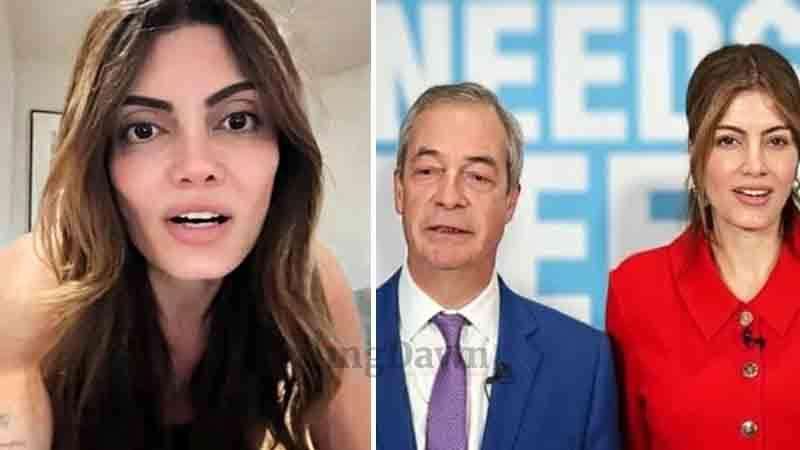
Reform UK’s newly minted 2028 London Mayoral candidate, Laila Cunningham, has ignited a fierce political backlash following a series of statements described as a "direct assault" on London’s multicultural identity. Speaking on the London Standard podcast, Cunningham targeted the visual landscape of East London, claiming that parts of the capital feel like a "Muslim city." She specifically pointed to the presence of signboards in "different languages" and the sale of burqas in local markets as evidence of a failure in British "civic culture."
Fact-checkers and community leaders have identified these comments as a specific strike against the British Bangladeshi community in boroughs like Tower Hamlets. The "different language" signs Cunningham disparaged are the historic English-Bengali bilingual street signs—a celebrated symbol of the community’s heritage and contribution to the UK. Critics argue that by framing these cultural landmarks as alien, Cunningham is using "dog-whistle" tactics to suggest that British Bangladeshis and their visible heritage do not belong in a "British" city.
The Radical Proposal to Criminalize the Burqa
Cunningham, a former senior prosecutor for the Crown Prosecution Service (CPS), further polarized the electorate by calling for an outright ban on the burqa in public spaces. In a move that legal experts say would contravene fundamental human rights, she proposed that women wearing the religious garment should be subject to mandatory "stop and search" by the police. Cunningham claimed that "it has to be assumed that if you’re hiding your face, you’re hiding it for a criminal reason," despite offering zero evidence linking the traditional attire to London’s crime rates.
This proposal has been branded "dangerous" and "hateful" by Baroness Shaista Gohir, CEO of the Muslim Women’s Network UK. Baroness Gohir accused Cunningham of "emboldening people who already abuse Muslims" and pointed out the hypocrisy of targeting working-class women in East London markets while ignoring wealthy, burqa-wearing tourists in high-end areas like Harrods. She emphasized that the number of women wearing the garment is statistically tiny, suggesting the candidate is manufacturing a crisis to distract from real issues like the NHS and housing.
Sadiq Khan and National Leaders Unite in Condemnation
The Mayor of London, Sir Sadiq Khan, led the charge against Cunningham’s rhetoric, characterizing it as a cynical attempt to "sow seeds of division." Speaking on LBC, the Mayor defended the "quintessentially British rights" of religious expression and freedom of choice. He stated that there are politicians who address fears and those who play on them, firmly placing Cunningham in the latter category. Khan’s defense of the British Bangladeshi and wider Muslim communities has resonated across the capital, as he reiterated that London’s diversity is precisely what makes it the "greatest city in the world."
The backlash extended to Parliament, where Afzal Khan, the Labour MP for Manchester Rusholme, described the remarks as a "deliberate and cynical ploy" for electoral benefit. While Reform UK spokespeople attempt to frame the policy as part of a "war on crime," the specific targeting of East London’s cultural identity has alienated many. With Nigel Farage previously facing accusations of making fascist and racist remarks, Cunningham’s latest outburst is being seen as a continuation of a party strategy built on exclusion rather than inclusion.