






.svg)
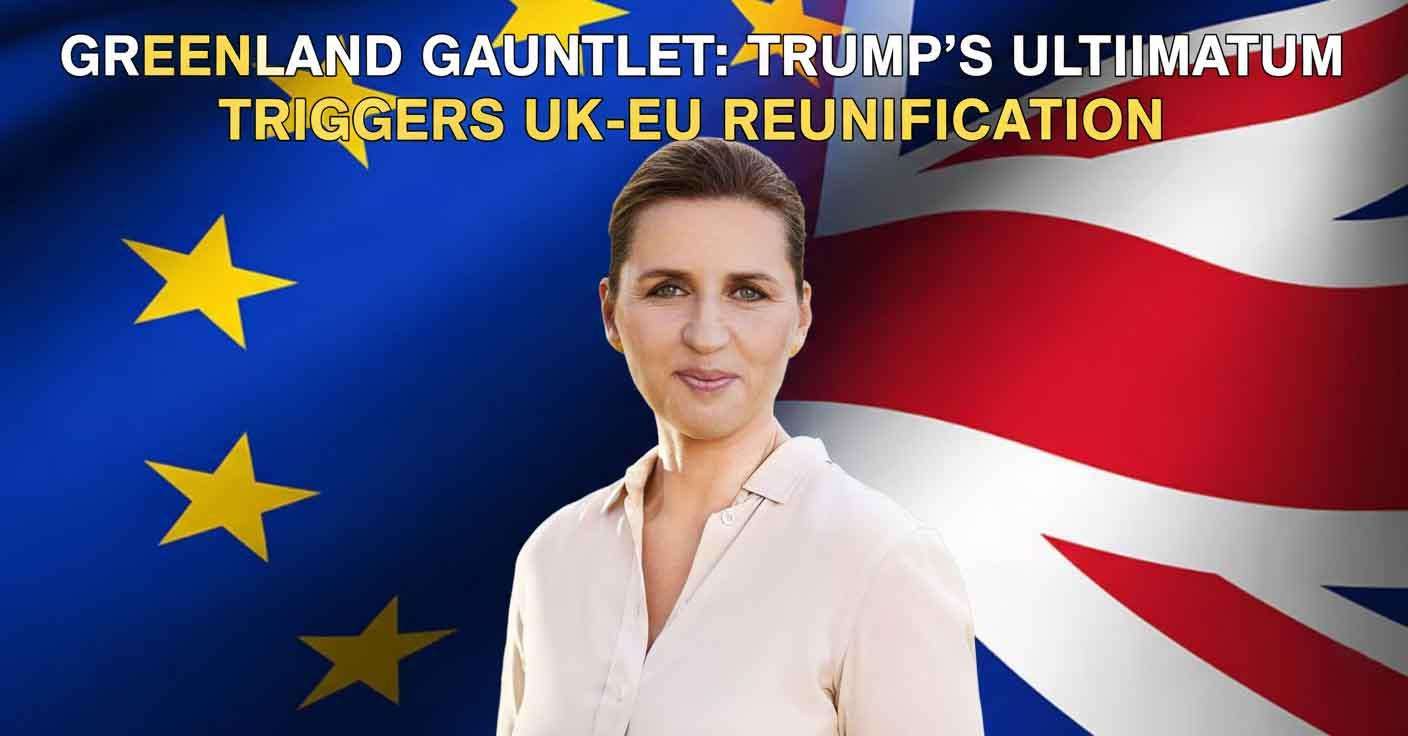
The geopolitical landscape of 2026 has been upended by a high-stakes standoff that many analysts are calling the Arctic Cold War. US President Donald Trump’s announcement to impose a 10% baseline tariff—escalating to 25% by June—on eight key European allies has sent shockwaves through global markets. By targeting Denmark, Norway, Sweden, Finland, France, Germany, the Netherlands, and the United Kingdom, the White House has inadvertently achieved what decades of diplomacy could not: a unified, defiant European front. This Greenland Shield represents a historic shift where European capitals are prioritizing sovereign integrity over transatlantic trade stability, marking a dangerous downward spiral in relations that may permanently alter the NATO alliance.
The UK Pivot: Accelerated European Integration
Perhaps the most dramatic consequence of Trump’s strategy is the visible shift in British foreign policy. Prime Minister Keir Starmer’s immediate and forceful condemnation of the tariffs as a threat to national interest has signaled a departure from the traditional Special Relationship in favor of European solidarity. With the UK economy facing a potential 25% levy on all exports to the US by summer, London is being forced to weigh the costs of isolation against the security of the European single market. Political commentators suggest this crisis could serve as the catalyst for the UK to seek much closer alignment or even a fast-tracked return to European structures as a collective economic defense becomes an existential priority for Downing Street.
Sovereignty Over Strategy: Europe Rejects Economic Blackmail
Danish Prime Minister Mette Frederiksen’s declaration that Europe will not be blackmailed has become the rallying cry for a continent suddenly finding its strategic voice. The joint statement from the targeted eight nations emphasizes that territorial integrity is non-negotiable, a sentiment echoed by French and German leadership who warned that intimidation would not change the course on Greenland. This unified stance is moving beyond rhetoric as the European Union signals a freeze on US trade negotiations and considers reciprocal tariff suspensions on American products. By treating a NATO ally’s territory as a real estate commodity, the Trump administration has triggered the development of a European Defense Pillar that operates with newfound independence.
Economic Fallout and the New Global Trade Reality
The implications of the Greenland threat extend far beyond the Arctic Circle, triggering immediate volatility in global markets as investors flee to safe-haven assets. Market experts note that the 10% tariff, which applies to all goods from the eight specified nations starting February 1, effectively acts as a tax on the entire integrated European trading bloc. In response, the EU and the UK are reportedly coordinating efforts to accelerate Free Trade Agreement talks with other global powers to offset the loss of American market access. This decoupling suggests that the attempt to use trade as leverage for land acquisition may result in the US being strategically sidelined from the very European markets it seeks to influence.
The Arctic Frontier: A Test of Collective Security
As thousands of protesters march in Nuuk and Copenhagen, the crisis has highlighted Greenland’s immense strategic value, not just for its mineral wealth but as a critical node in global missile defense. While the White House argues that US control is necessary for regional security, European leaders argue that stability is best achieved through cooperation rather than coercion. The deployment of European military personnel to Greenland at Denmark's request marks a physical manifestation of this new unity. The coming months will determine if this standoff leads to a total fracture of NATO or if a new Europe, with the UK firmly back at its side, emerges as a consolidated global superpower capable of standing its ground.

.jpg)







_2.jpg)