




.svg)
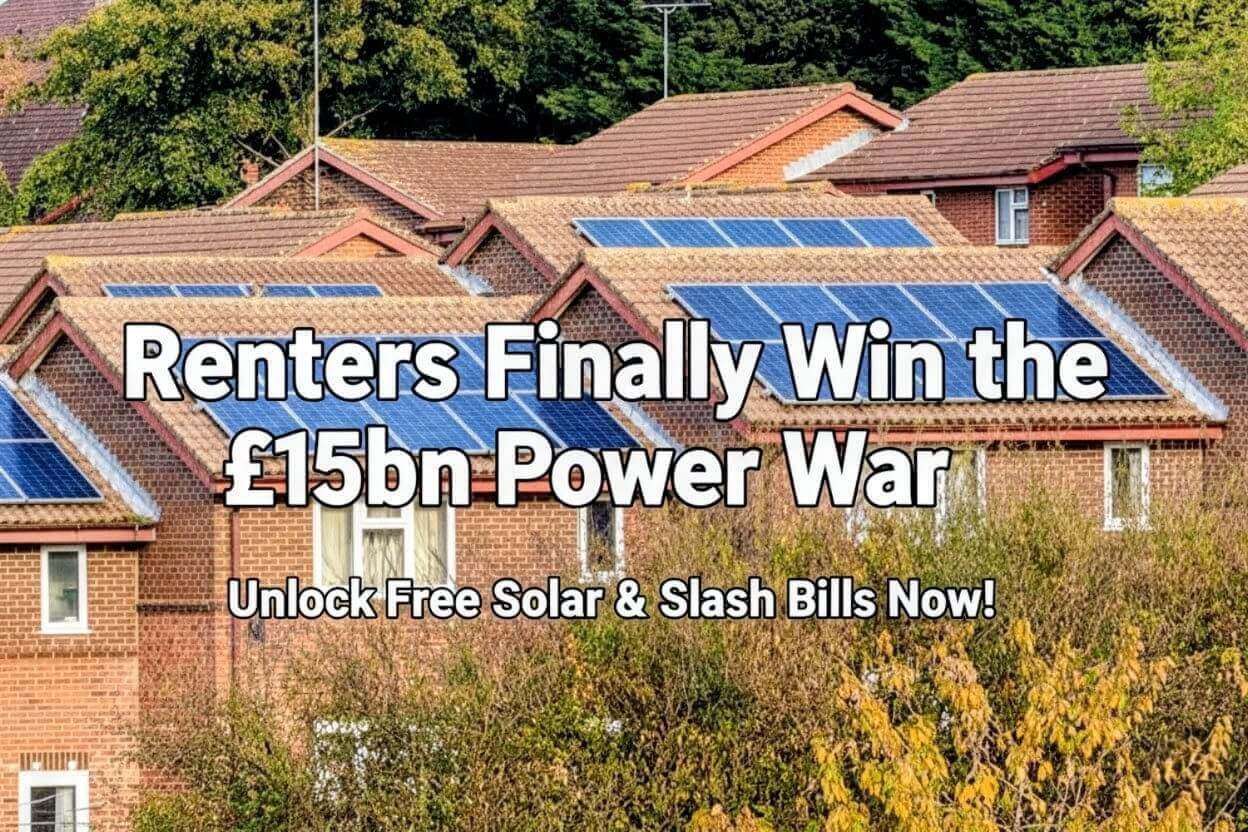
The UK housing market has reached a historic turning point as the government officially triggers its massive £15 billion Warm Homes Plan, a move that effectively ends the "green divide" between homeowners and tenants. While previous energy schemes often left the nation’s 11 million renters out in the cold, this revamped 2026 strategy introduces radical new legal protections and direct funding pathways designed to turn every rental property into a high-tech, energy-efficient powerhouse. By tripling the country’s solar capacity and targeting the removal of one million people from fuel poverty, the initiative is being hailed as the most significant upgrade to British infrastructure in a generation, Daily Dazzling Dawn understands.
The Tenants' New Power Play-For the first time, the balance of power is shifting toward those who rent. Under the newly introduced Decent Homes Standard for the private sector, landlords are now legally obligated to ensure properties meet strict thermal comfort levels. Renters no longer have to simply "hope" for better insulation; the plan introduces a framework where tenants can effectively initiate the conversation about upgrades. By 2030, all rental homes must hit an EPC C rating, and the government is providing the financial "carrot" to match this legislative "stick." Private tenants can now access the Warm Homes Local Grant, which provides up to £30,000 for comprehensive home upgrades including solar panels, heat pumps, and smart batteries, provided the household income is below £36,000 or the property sits in a qualifying postcode.
Innovative Green Tech for Modern Living-The 2026 rollout introduces game-changing technology specifically suited for diverse British homes. A standout addition is the first-ever universal grant for "air-to-air" heat pumps. Unlike traditional systems, these units provide dual-climate control—offering ultra-efficient heating in the winter and essential cooling during increasingly hot British summers. For properties where a full heat pump isn't yet viable, the "Rooftop Revolution" aspect of the plan offers fully funded solar and battery packages. This "trio" of technology—solar, battery, and heat pump—is estimated to save households between £500 and £1,000 annually, effectively insulating families from the volatile global gas prices that have plagued the UK since 2022.
A Universal Safety Net for All Income Levels-The government has eliminated the "all-or-nothing" approach to green subsidies. While low-income households can claim 100% of the costs through a £5 billion dedicated fund, "able-to-pay" households are not being ignored. A new national "Green Loan" scheme has launched, offering zero-interest and low-interest financing for solar and battery installations regardless of income. This ensures that even those who don't qualify for full grants can still participate in the transition without massive upfront capital. Additionally, the Boiler Upgrade Scheme has been boosted to £7,500 and extended to 2030, providing a long-term guarantee for those looking to ditch fossil fuels for good.
Economic Growth Meets Climate Action-Beyond the immediate bill savings, the Warm Homes Plan is a massive engine for the British economy. The government projects the creation of 180,000 new "green collar" jobs. While critics point to the current reliance on imported components, the scale of this £15 billion commitment is designed to catalyze a domestic manufacturing surge. By providing a five-year horizon of certain funding, the plan gives UK businesses the confidence to invest in training and local production. As Energy Secretary Ed Miliband noted, the dependence on fossil fuels was once the country's "Achilles heel," but with 2026's rooftop revolution, the UK is finally taking control of its own energy destiny.
The Tenant’s Fast-Track Application Roadmap-Navigating the application process has been streamlined to prevent the "botched" installation scandals of the past. Renters and homeowners can now use the official GOV.UK digital portal to check eligibility in under 60 seconds. The process begins by verifying that your property has an EPC rating of D, E, F, or G. If no certificate exists, the grant will now cover the cost of a new assessment. Renters must provide proof of a valid tenancy agreement and evidence of household income, which includes all adults living at the address except full-time students.
Success hinges on securing written landlord consent, but the 2026 rules make this a "win-win" scenario. Landlords of low-income tenants can often have the entire cost of solar and insulation covered for their first property, and only need to contribute 50% for subsequent buildings. Once the online eligibility check is complete, your details are forwarded to the local council who will appoint a TrustMark-certified installer to handle the technical survey and installation. For many areas, including London, high demand means portals are operating in seasonal waves, so checking the spring 2026 reopening dates is essential for those looking to be first in line for the next funding injection.


.jpg)