






.svg)
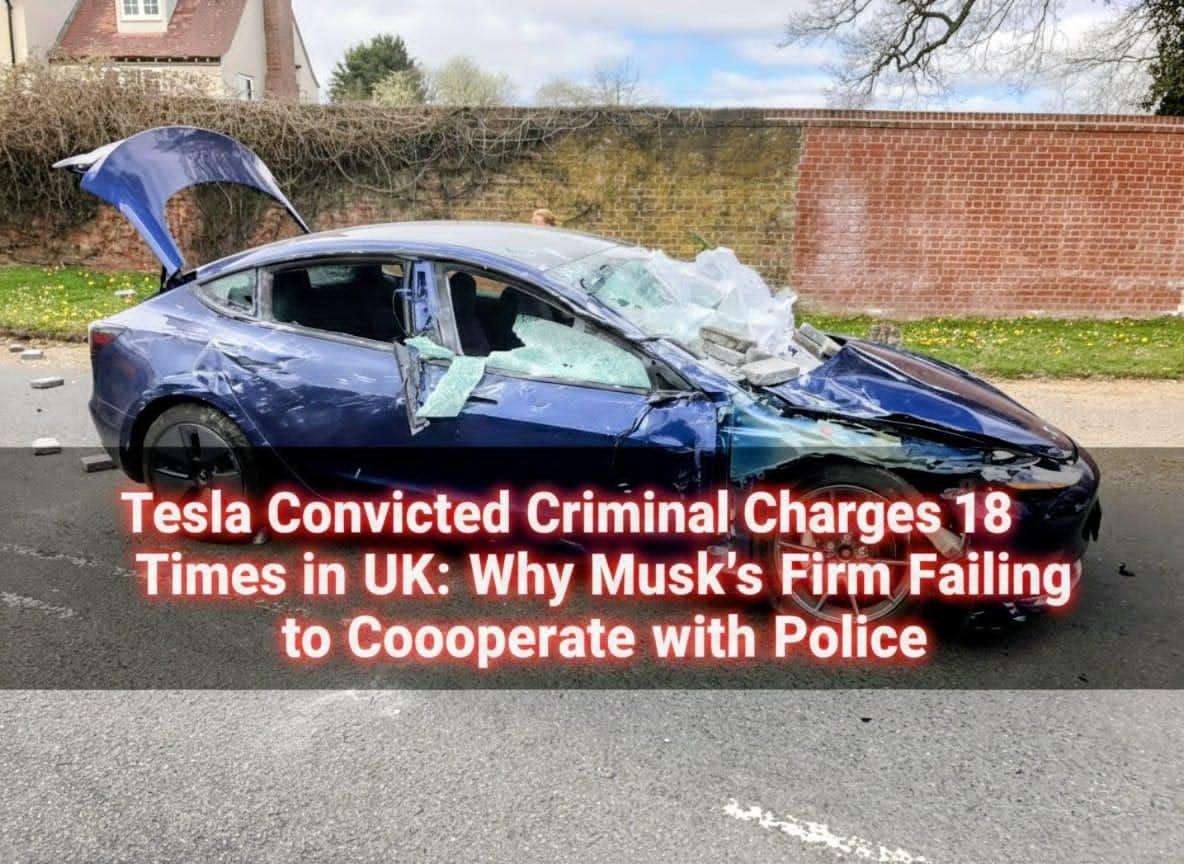
The silent revolution of electric vehicles has hit a significant legal roadblock in the British justice system. Tesla Financial Services, the financing arm of Elon Musk’s automotive empire, has been hit with at least 18 criminal convictions across the United Kingdom since the start of 2024. These cases highlight a systemic failure in the company’s ability to cooperate with law enforcement, effectively allowing speeding drivers to evade prosecution while the corporation absorbs the legal fallout.
The crisis stems from a recurring administrative breakdown regarding driver identification. In the UK, leasing companies are typically the registered keepers of vehicles. When a traffic offense occurs, the law requires the keeper to name the driver. Records show that in nearly 20 instances, Tesla failed to respond to these critical police requests. This lack of transparency has led to a string of prosecutions by major forces, including the Metropolitan Police, South Wales Police, and Hampshire Constabulary.
One high-profile incident on the M4 in South Wales saw a Tesla clocked at 80mph. Despite repeated attempts by authorities to reach the firm’s Manchester and London offices, the notices went ignored. While Tesla’s directors have cited "technical issues" with online plea portals as the reason behind the silence, magistrates have remained unconvinced. The result has been a series of heavy fines, costs, and victim surcharges exceeding £20,000.
This failure is not merely a paperwork error but a symptom of a deeper operational struggle. Analysts suggest Tesla is failing to bridge the gap between its high-tech, automated "Silicon Valley" philosophy and the rigid procedural requirements of UK road law. While other major leasing firms have established dedicated legal response teams, Tesla’s reliance on decentralized mail handling has left its leaseholders in a state of legal limbo.
For Tesla owners and leaseholders, the situation is concerning. When a company fails to identify a driver, it not only attracts a criminal conviction for the firm but can also leave the actual driver without the opportunity to defend their case or attend speed awareness courses. To mitigate this risk, owners are advised to keep detailed personal logs of vehicle usage and ensure all insurance and contact details are mirrored in the Tesla app to prevent being caught in the company's administrative "black hole."
Looking ahead, the legal pressure is only intensifying. With a sentencing hearing pending at Bath Magistrates’ Court and a broader crackdown by the Single Justice Procedure on corporate non-compliance, Tesla faces a choice: modernize its legal department or face escalating fines that could eventually impact consumer lease rates. While Tesla is not the only company to fall foul of these rules—thousands of individuals are convicted weekly—it stands out as a high-profile corporate offender that has yet to synchronize its cutting-edge technology with basic legal accountability.



.jpeg)


