_1.jpg)




.svg)
The 43-Force Collapse: A Radical Blueprint for 2026- The British policing landscape is undergoing its most violent structural shift since the 1962 Royal Commission, as Home Secretary Shabana Mahmood moves to consolidate the nation’s 43 independent constabularies into just 12 regional "Super-Forces." This centralization, governed by the newly formed National Policing Directorate, is being sold as a technological necessity to save £225 million in procurement waste and bridge the "postcode lottery" of police performance. However, critics argue that by stripping power from local Chief Constables and moving toward a 2028 deadline to abolish Police and Crime Commissioners (PCCs), the government is effectively nationalizing the law. This shift risks creating a "remote state" where strategic command centers are hundreds of miles away from the communities they serve, leading to fears that the UK is becoming an "out of order" nation where local knowledge is sacrificed for digital efficiency, Daily Dazzling Dawn understands.
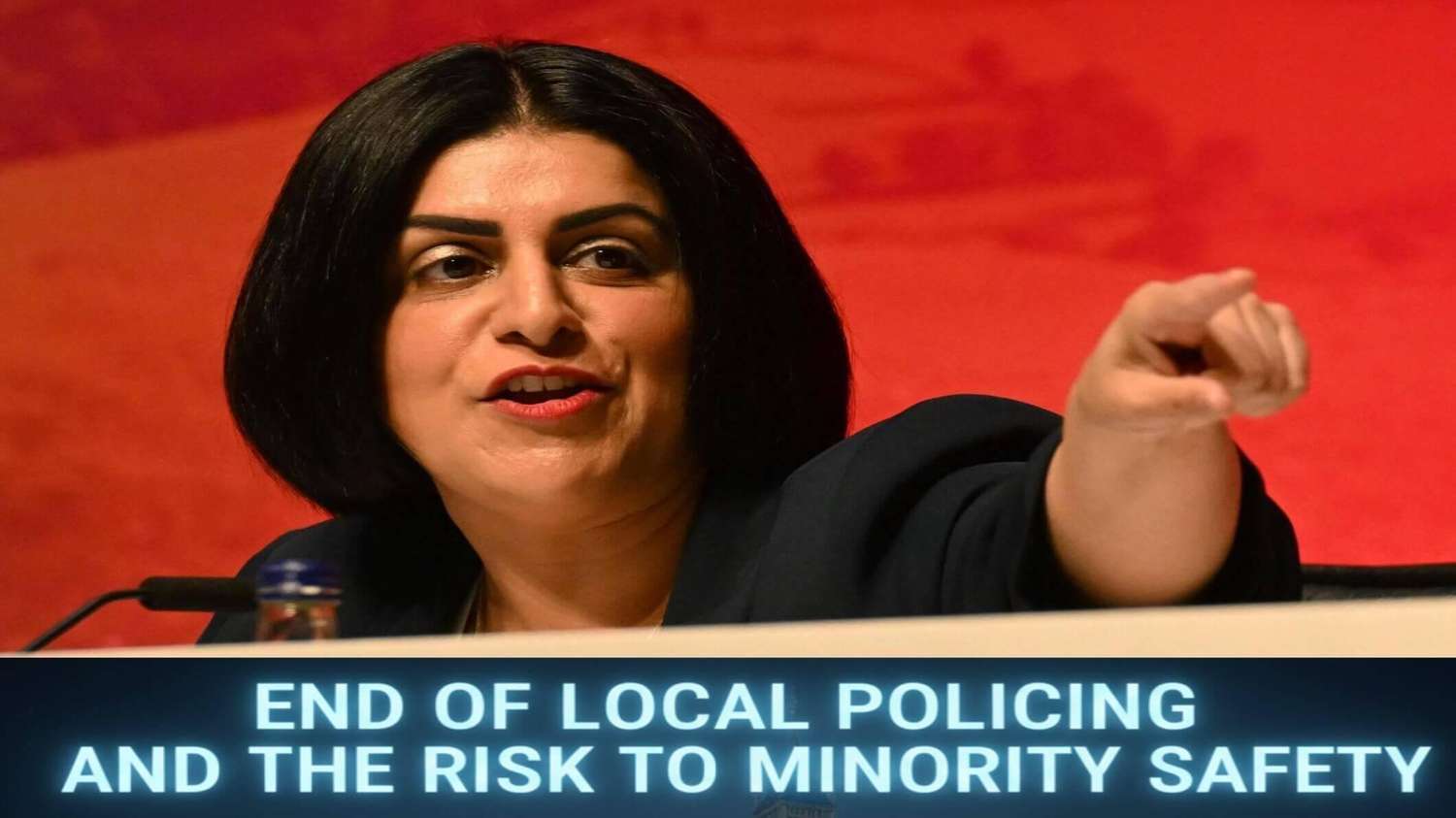
British Muslim Safety and the "Hierarchy of Hatred"- The reform comes at a perilous time for the British Muslim community, as the government simultaneously reviews public order and hate crime legislation. With the Home Office shifting focus toward "core policing" and reducing the recording of "non-crime hate incidents," community leaders fear the creation of a protective vacuum. Legal experts have warned of a burgeoning "hierarchy of hatred" where legal protections for Muslims are perceived to be falling behind other groups. As local "coal-face" policing is replaced by regional hubs, the vital, culturally-nuanced engagement required to combat Islamophobia is at risk of being automated or ignored. Without localized oversight, there is a growing concern that the state’s retreat from granular hate-crime tracking will leave minority communities to navigate a more hostile and less accountable public square.
Military Integration and the New Domestic Security State-For the military and veteran communities, the 2026 reforms signal a blending of civil and national security that has not been seen in peacetime. The new "National Center of Policing" is expected to integrate military-grade surveillance and logistics to manage large-scale civil unrest, effectively blurring the lines between the Home Office and the Ministry of Defence. While the government has promised new protections for national symbols and war memorials to appease veteran groups, the broader centralization of power suggests a move toward a paramilitary policing model. Veterans, who often rely on local police liaison for welfare and mental health support, now face a centralized bureaucracy that may prioritize high-level state security over the specific, localized needs of those who served.
The Cost of Efficiency: A Nation in Transition-The gamble of the 2026 White Paper is that technology, including widespread AI implementation for "predictive policing," can replace the 800,000 officer hours currently lost to bureaucracy. However, the human cost of this "Super-Force" model remains the greatest unknown. As the UK moves toward this centralized future, the fundamental principle of "policing by consent" is being tested. If the National Policing Directorate fails to maintain the trust of diverse communities, the efficiency gained in the books may be lost in the streets, resulting in a nation that is organized on paper but socially "out of order."