





.svg)
The British motoring landscape is bracing for a seismic shift as the Department for Transport moves closer to implementing a "Graduated Driver Licensing" (GDL) system. While Northern Ireland has already taken the historic lead by confirming an October launch for these regulations, intense pressure is mounting on the UK government to mirror these safety-critical changes across England, Scotland, and Wales. This overhaul represents the most significant reform to the UK's driving process since the introduction of the practical test in 1935.
The Northern Ireland Blueprint: A Template For England
Northern Ireland has officially become the first UK region to greenlight the GDL framework, specifically targeting drivers aged 17 to 23. Under these new rules, the traditional "L" plate journey is replaced by a rigorous multi-stage process. Learners must now wait a mandatory six months after receiving their provisional license before they can even book a practical test. During this period, they are required to complete 14 structured training modules, which must be officially signed off by an approved instructor or a qualified supervising driver. This "slow-build" approach aims to move away from "cramming" for tests and toward genuine competency.
Post-Test Restrictions And The New 'R' Plate System
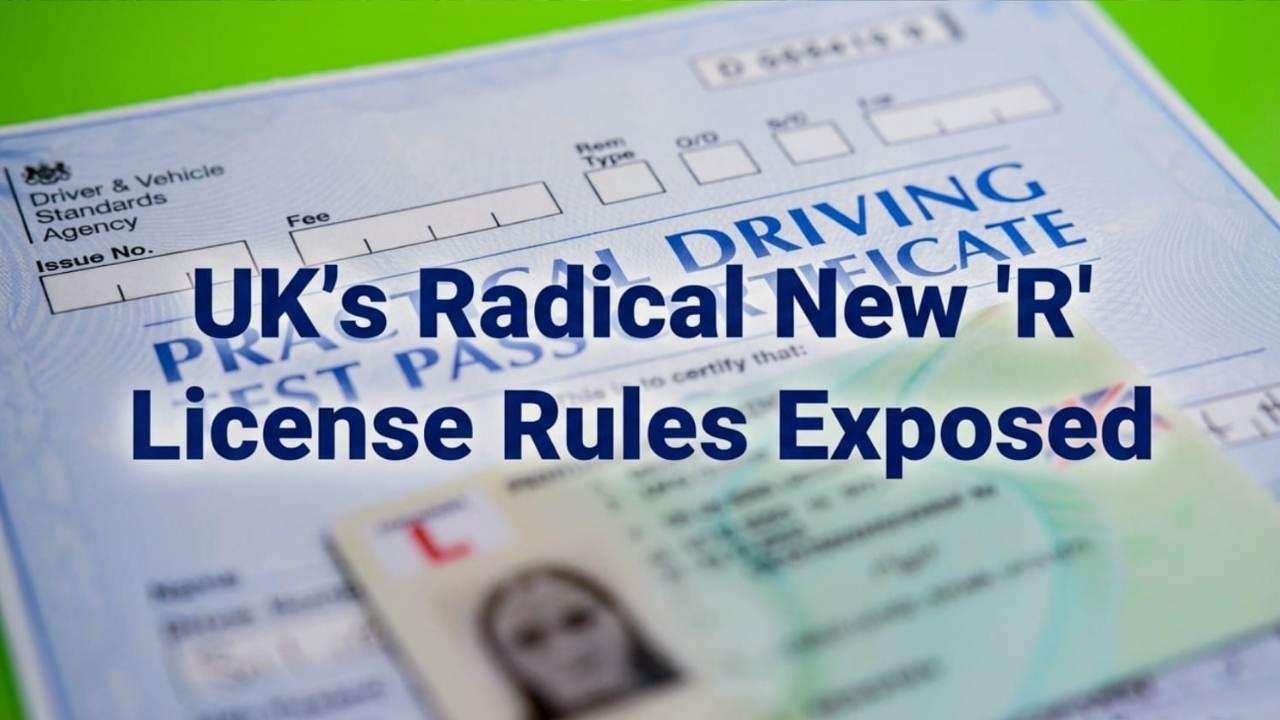
The changes do not stop once the pink license is earned. Newly qualified drivers in Northern Ireland will face a mandatory 24-month probationary period, an increase from the previous 12 months. This includes a strict "passenger ban" between 11:00 PM and 6:00 AM for the first six months, where drivers under 24 cannot carry more than one passenger aged 14 to 20, unless they are immediate family. To signify these different stages, a new color-coded 'R' (Restricted) plate system is being introduced, allowing law enforcement to easily identify and monitor drivers in their initial six-month high-risk window.
Why England Is Next In Line For The Overhaul
National road safety data provides a compelling case for England to follow Northern Ireland’s lead. Statistics from the AA and RAC reveal a sobering reality: young drivers account for only 8% of license holders but are involved in a staggering 22% of fatal collisions. Research suggests that with every same-age passenger in a car, a new driver is four times more likely to be involved in a fatal crash. Analysis by the RAC Foundation indicates that implementing these "graduated" steps in England could save at least 58 lives annually and prevent over 900 serious injuries, potentially reducing insurance premiums for young motorists who are currently priced out of the market.
Digital Licenses And Theory Test Evolution
Parallel to these safety restrictions, the DVSA is preparing for a technological leap. A full rollout of digital driving licenses via the GOV.UK Wallet app is expected by 2027, with pilot schemes already underway. Furthermore, the theory test is being updated to include life-saving emergency response topics, such as basic CPR and the use of Automated External Defibrillators (AEDs). These additions aim to ensure that the next generation of drivers is not only safer behind the wheel but also equipped to assist at the scene of an accident.
Stricter Booking Rules To Slash Test Backlogs
To combat the ongoing driving test backlog, new "fair use" booking rules are being implemented nationwide. Starting in 2025, learner drivers will be limited to just two changes per test booking, and cancellations must be made at least 10 working days in advance to avoid losing the fee—a significant jump from the current three-day window. These measures are designed to stop "test-swapping" by bots and third-party companies, ensuring that genuine learners have better access to available slots.
The Road Ahead For UK Motorists
As the Department for Transport continues its consultation on a "Minimum Learning Period" for Great Britain, the success of the Northern Ireland pilot will be the deciding factor. Road safety charities like Brake and the Parliamentary Advisory Council for Transport Safety (PACTS) are lobbying for these changes to be integrated into the government's upcoming Road Safety Strategy. For millions of future learners, the path to a full license is about to become longer, more structured, and significantly more regulated.