




.svg)
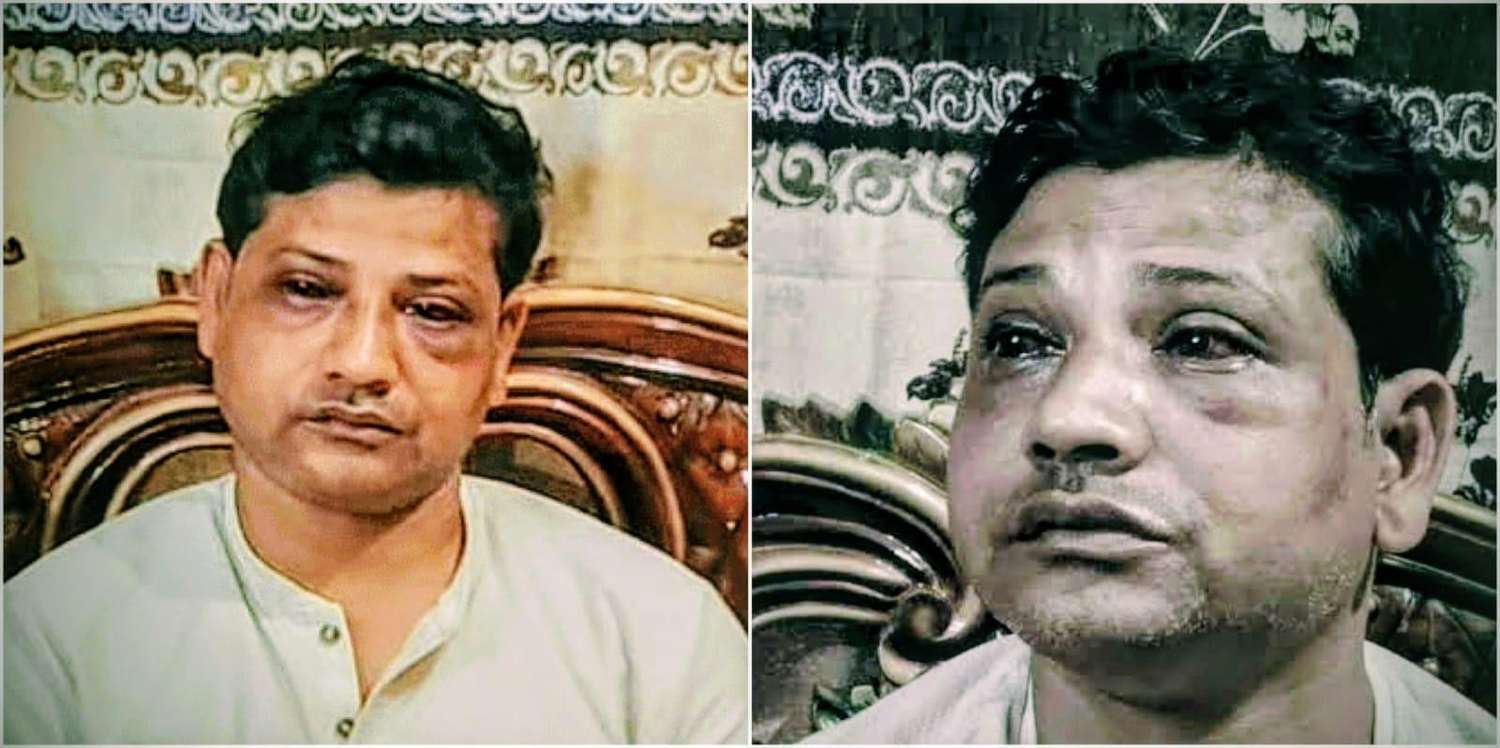
While the nation prepared to celebrate the Constitution and its promise of equality on the eve of the 77th Republic Day, a harrowing scene unfolded in the Jhulpiya area of West Bengal that stands as a grim testament to the eroding safety of minority communities. In what rights groups are calling a calculated hate crime rather than a spontaneous dispute, three Indian Muslim meat traders were stripped, sexually humiliated, and brutally beaten by a mob that used the slur "Bangladeshi" as a justification for their violence. The incident has sent shockwaves through the South 24 Parganas district, shattering the illusion of safety for local Muslims who are increasingly finding their citizenship questioned by vigilante mobs.
From Business Dispute to Communal Witch Hunt
The violence that befell Faraz Ali Piyada, Akkash Ali Piyada, and Ansar Ali Piyada was not merely a reaction to a business transaction but a manifestation of a deeper, more dangerous narrative taking root across India. What began as a minor disagreement over the quality of meat at the Kachari market—a dispute the Piyada family attempted to resolve by refunding money—escalated into a targeted assault on their religious and national identity. Faraz Ali, dragged into a village near Jhulpiya Koylar Mor, described an ordeal where his attackers were less interested in the meat and more obsessed with his faith. The mob’s demand for Aadhaar cards and their insistence that the victims were "illegal Bangladeshis eating off Indian land" highlights a disturbing trend where the rhetoric of "infiltration" is used to authorize violence against long-standing Indian Muslim citizens.
The Anatomy of a Hate Crime
The brutality described by the victims and their families points to a distinct pattern of communal targeting that transcends renewed business rivalries. In a horrifying violation of dignity, the mob did not just beat the men; they stripped them to check for circumcision marks, a specific act intended to verify their Muslim identity before intensifying the assault. Akkash Ali’s testimony reveals a psychological warfare where he was forced to write obscenities about his own parents when he could not immediately produce an identity card. The violence extended to the women of the family as well; Sujata Bibi, Akkash’s wife, reported being sexually molested and kicked in the chest while pleading for her husband’s life. This gendered violence and the stripping of men serve a singular purpose: to humiliate the community and strip them of their human dignity.
The ‘Bangladeshi’ Bogeyman: A National Crisis
This incident in West Bengal is not an isolation but part of a systemic surge in violence where the term "Bangladeshi" is weaponized to delegitimize Indian Muslims. Across various states, similar patterns have emerged where Bengali-speaking Muslims are arbitrarily detained or assaulted under the guise of identifying illegal immigrants. This narrative, often fueled by polarizing political rhetoric regarding the NRC and CAA, has emboldened local mobs to act as judge, jury, and executioner. By labeling the Piyada brothers as foreigners, the attackers in Jhulpiya sought to strip them of their constitutional protections, creating a scenario where violence against them was framed as a "patriotic duty" rather than a criminal act.
Police Inaction and the Looming Threat
Despite the severity of the attack and the explicit communal slurs used, the victims’ families allege a lukewarm response from the law enforcement machinery. While police confirm three arrests, the primary accused identified by the family—Chandan Mandal, Kartik Naskar, Indra Ghosh, and Akash—reportedly remain at large, fueling fears of political patronage and impunity. The family contends that the charges filed do not reflect the gravity of the hate crime, which included robbery of gold and cash alongside the physical assault. Legal experts and civil society groups are now mobilizing to demand that the investigation be handed over to higher authorities, fearing that local influence may derail justice.
What Comes Next for the Community
The aftermath of the Jhulpiya violence suggests a tense road ahead. Local Muslim traders are expressing deep anxiety about returning to their businesses, fearing that the "Bangladeshi" label will be applied to anyone the mob wishes to target next. Human rights organizations are planning fact-finding missions to the area to document the police's handling of the case, aiming to pressure the state government to invoke stricter sections of the law related to communal violence and mob lynching. As the Piyada brothers remain bedridden, battling severe physical injuries and deep mental trauma, their plight has become a rallying cry for a community demanding not just safety, but the recognition of their rightful place as citizens of India.