





.svg)
The Great Wealth Trap: Why You Must Step Away from the Gold Market
The global financial markets are currently witnessing one of the most violent corrections in the history of commodities, a financial bloodbath that has left professional traders stunned and retail investors devastated. Following a euphoric rally that saw gold shatter the $5,600 ceiling last week, the precious metal has entered a freefall, collapsing to nearly $4,465 by Monday morning. While global headlines focus on the geopolitical triggers, a silent tragedy is unfolding on the streets of East London, where the collapse of the gold bubble has shattered the savings of countless South Asian families who bought in at the very top.
This is not a standard market correction. This is a liquidity event, a systemic shock that signals the end of the "easy money" trade. Daily Dazzling Dawn’s deep-dive analysis suggests that investing in gold at this moment is akin to catching a falling knife. The market dynamics have fundamentally shifted, and the "safe haven" has become a wealth trap.
Desi Housewives and the East London Gold Crisis
In communities across East Ham, Ilford, and Green Street, the gold crash is not just a ticker on a screen; it is a personal financial disaster. For generations, the South Asian "Desi" community has viewed gold not merely as an asset but as the ultimate store of security. Over the last week, as gold prices dominated the news by breaching $5,000, a wave of "Fear Of Missing Out" (FOMO) swept through these neighbourhoods.
Our investigation reveals that thousands of pounds were poured into the market by local housewives and families just days before the crash. Believing the hype that gold would hit $6,000 or even $10,000 imminent, many liquidated cash savings or pooled family resources to buy bullion and, more dangerously, leveraged digital gold products at all-time highs.
The devastation was compounded by the speed of the drop. Unlike physical jewellery which is held for decades, many new investors had moved into "paper gold" and spread betting to chase quick profits. When the price nosedived by over 20% in under 72 hours, leveraged positions were liquidated instantly. Families who thought they were securing their future have instead seen principal investments wiped out to zero. The sentiment on the ground is one of shock and betrayal, as the community grapples with losses that will take years to recover.
The ‘Warsh Effect’ and the Liquidity Vacuum
Understanding why this crash happened is vital to understanding why it is unsafe to re-enter the market. The catalyst was the nomination of Kevin Warsh as the next Chair of the Federal Reserve. Warsh is a known "hawk"—a central banker who prioritizes a strong US Dollar and fighting inflation over supporting asset bubbles.
The moment his nomination was announced, the US Dollar spiked, acting like a wrecking ball against precious metals. Since gold is priced in dollars, a stronger dollar makes gold more expensive for foreign buyers, crushing demand. But the "Daily Dazzling Dawn" analysis points to a deeper, more technical reason for the violence of this sell-off: the margin call cascade.
To curb the speculative frenzy, the CME Group, which runs the major metals exchanges, raised "margin requirements"—the amount of cash traders must have in their accounts to hold a position. This forced over-leveraged hedge funds and retail traders to sell immediately to raise cash. This created a "liquidity vacuum" where there were millions of sellers and no buyers, causing the price to gap down vertically.
What Happens Next: The Danger of Buying the Dip
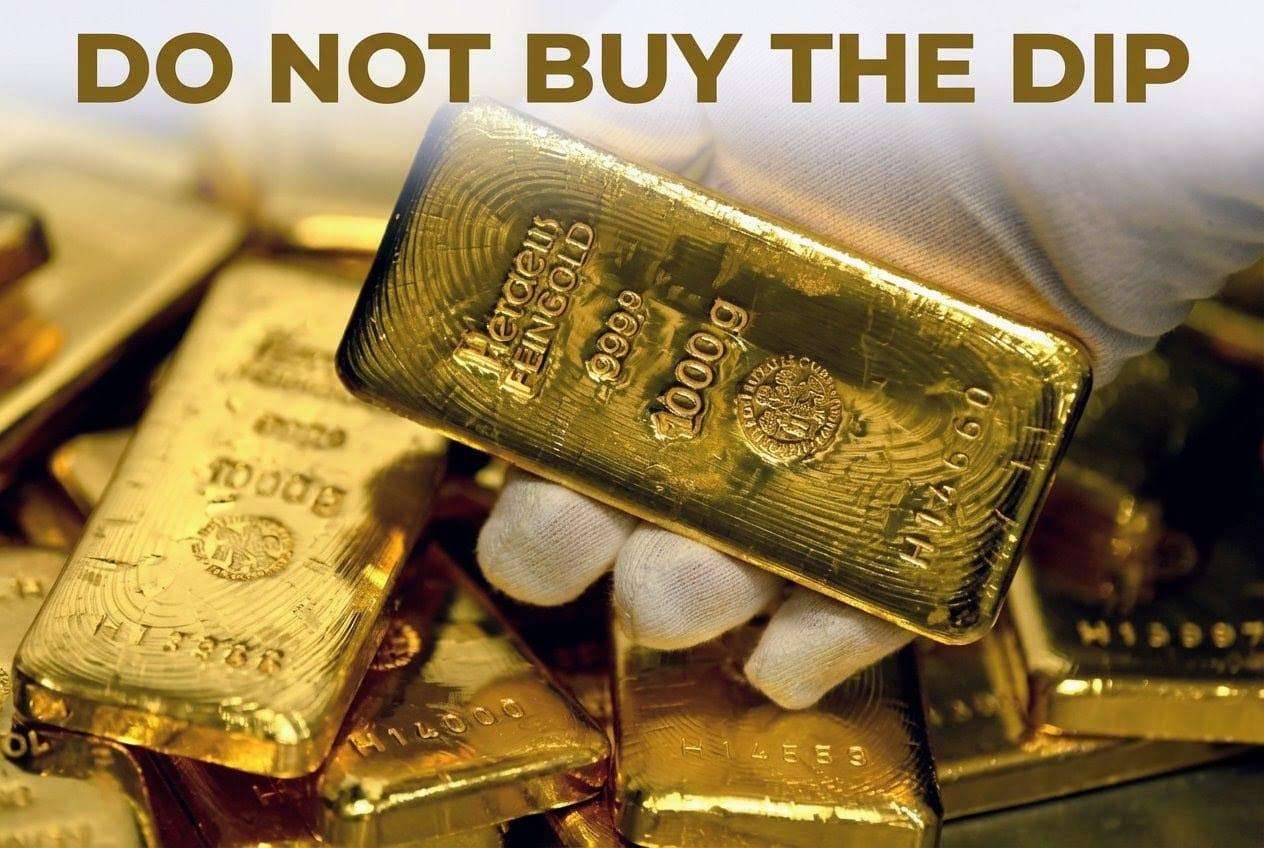
The prevailing advice from mainstream outlets might be to "buy the dip," but our analysis strongly advises caution. The structural breakdown in the bond-equity relationship mentioned by analysts last year has inverted. With Kevin Warsh likely to end the era of loose monetary policy, the yield on safe government bonds may rise, making non-yielding assets like gold and silver significantly less attractive.
Silver has suffered even worse than gold, plummeting from $120 to below $74—a 30% wipeout that historically precedes a long "bear market" winter. The technical charts indicate that the "support levels" have been smashed. When an asset falls this fast, it leaves behind a massive amount of "overhead supply"—investors who are stuck at higher prices waiting to sell the moment the price rises slightly to break even. This creates a ceiling that prevents the price from recovering.
Daily Dazzling Dawn Verdict
The market is currently in a state of extreme dislocation. The volatility we are seeing is characteristic of a bubble bursting, not a healthy correction. For the families in East London and investors globally, the hard truth is that the "historic rally" has ended in a historic rout.
The appointment of a disciplined Federal Reserve Chair signals that the speculative mania is over. Investors should prioritize preserving cash and liquidating leveraged positions rather than trying to outsmart a falling market. The safest investment strategy right now is patience. The gold rush of early 2026 is over, and the cleanup will be painful and prolonged.