







.svg)
The Economic and Infrastructural Case for a Diverse Countryside- A transformative shift is underway across Britain’s most cherished landscapes, yet the headlines have missed the bigger picture. While recent reports focus on cultural divides, a deeper analysis reveals that opening the British countryside to ethnic minorities is a vital infrastructural and economic strategy essential for the nation’s future health, Daily dazzling dawn realised.
Officials in key rural hubs, including the Chilterns and the Cotswolds, are currently implementing strategies drawn up by the Department for Environment, Food & Rural Affairs (Defra) to attract Black, Asian, and Minority Ethnic visitors. While critics have framed this as a politicisation of nature, urban planners and rural economists are viewing it as a necessary evolution. The countryside currently risks becoming irrelevant to a changing demographic, but the new roadmap suggests a future where rural access serves as a critical release valve for the UK’s densely populated urban centers.
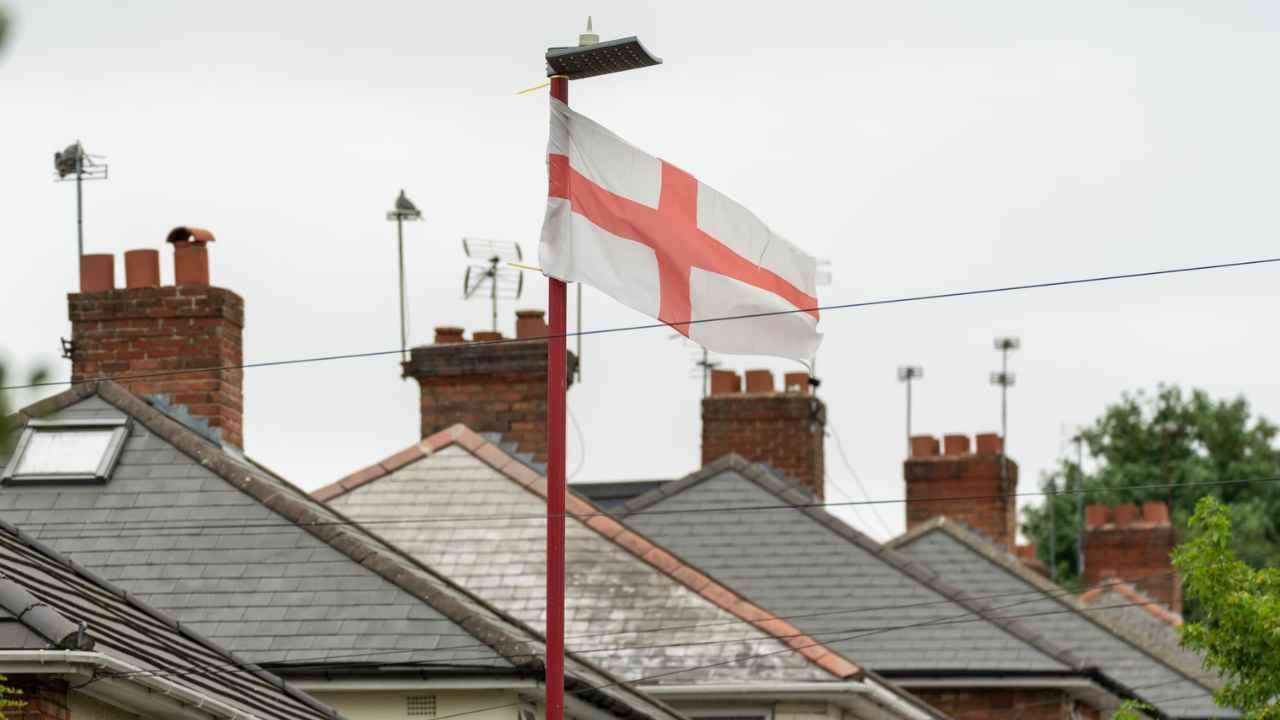
Birmingham council accused of giving ‘free rein’ to group erecting England flags across the city
Relieving the Strain on London’s Infrastructure- The most urgent argument for these diversity initiatives lies in the crushing density of the capital. London’s transport network, particularly Overground and National Rail services out of major hubs like Euston and Paddington, is reaching saturation point. By actively dismantling the psychological and physical barriers that keep minority populations within city limits during leisure time, the UK can better distribute its leisure traffic.
Data suggests that many ethnic minority families, particularly those in multigenerational households in areas like Luton, Harrow, or East London, currently underutilize the nearby National Landscapes due to perceived exclusion or lack of welcoming infrastructure. The Chilterns National Landscape team has identified this disconnect. Their proposal to launch community outreach schemes specifically targeting Muslims in Luton is not merely a social gesture; it is a strategic move to encourage flow out of urban congestion zones and into under-visited rural expanses.
The Untapped "Pink Pound" of the Rural Economy- The economic implications of a "white-only" countryside are dire for rural businesses. The Glover Review, which underpinned much of this current policy, warned that if the countryside remains the preserve of a shrinking white middle class, it will eventually face a funding and relevance crisis.
Rural pubs, bed and breakfasts, and heritage sites are currently missing out on a massive domestic tourism market. By recalibrating marketing materials to feature visible diversity and translating guides into community languages, regions like the Malvern Hills are effectively opening up a new customer base. This is about future-proofing the rural economy against demographic stagnation. Nidderdale National Landscape in North Yorkshire has correctly identified that "unfamiliarity" is a barrier to entry; removing that barrier unlocks spending power that currently remains trapped in metropolitan retail centers.
Overcoming the "Green Ceiling"- The barriers preventing this demographic shift are tangible. Research commissioned to support the new National Landscape plans highlights that for many first-generation immigrants and their descendants, the English countryside is viewed as a "white environment" where they may not be safe or welcome. The Malvern Hills National Landscape proposal noted that many minority individuals lack a generational connection to nature because their parents were focused on survival and safety in a new country.
Furthermore, cultural nuances regarding dogs have been identified as a friction point. For some communities, free-roaming dogs are a source of genuine fear or religious concern. The proposed tighter controls on dogs in specific high-traffic areas are a practical accommodation to ensure all visitors feel safe, mirroring successful zoning strategies used in international tourism hubs.
What Happens Next: The Infrastructure of Inclusion- Looking ahead, the next phase of this rollout goes beyond brochures. We can expect to see significant changes in transport connectivity. The reliance on private cars to access areas like Cranborne Chase has long been a method of exclusion for lower-income urban groups. The new "strategies to reach people" will likely necessitate new shuttle links connecting urban railheads directly to walking trails, bypassing the need for car ownership.
This move aligns with the government’s 2025 ambitions for access to nature. By creating "fully accessible paths" and engaging with community groups to teach rural skills, Defra is laying the groundwork for a cultural integration that strengthens the bond between the British citizen and the British land.
The narrative is changing. This is no longer about who "belongs" in the countryside. It is about utilizing the UK’s greatest natural assets to solve its most pressing urban problems, creating a healthier, wealthier, and more connected nation for every citizen.


_1.jpg)
.jpg)